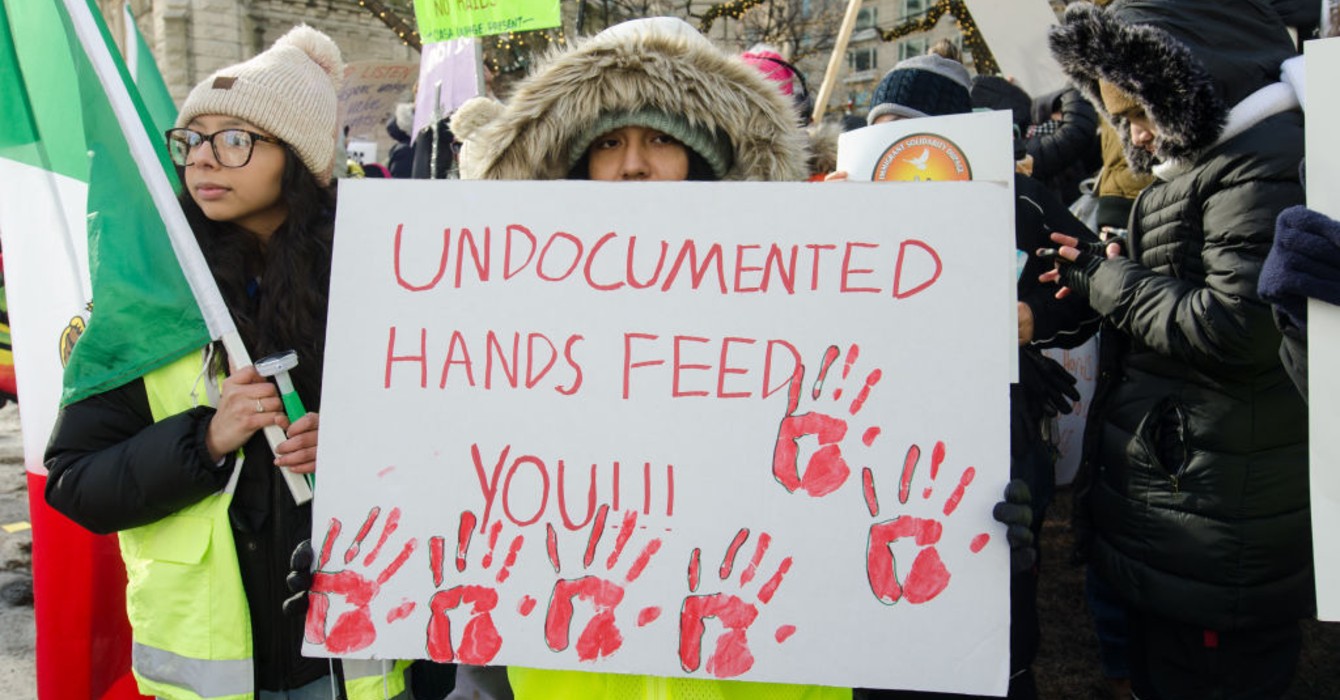
When photojournalist Carol Guzy headed from her home in Washington, D.C., to New York City five months ago, she expected a quick trip to visit friends. Instead, the four-time Pulitzer Prize winner has found herself unexpectedly chronicling a particular moment in the nation’s history, staying with friends as she photographs an unprecedented federal crackdown directed at immigrants.

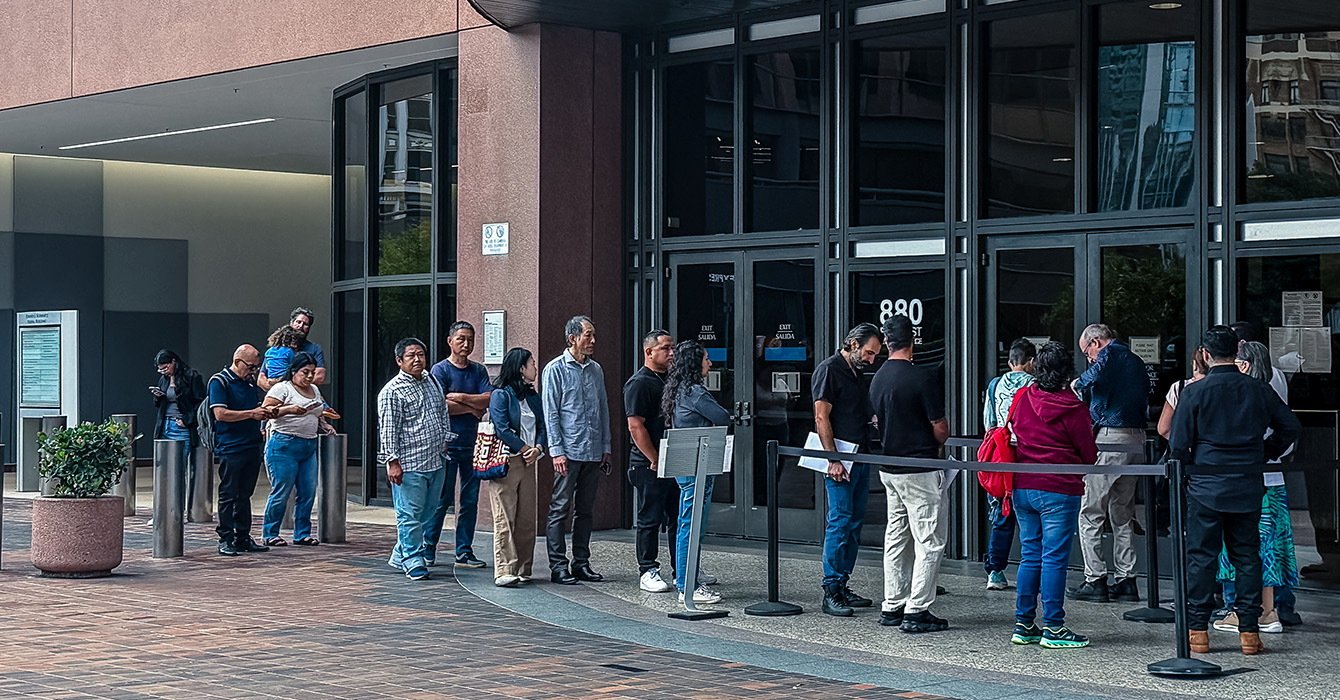
Guzy had been struck by the strong anti-immigrant sentiment she saw and heard as she photographed the 2024 Republican National Convention in Milwaukee. On her trip to New York less than a year later, she decided to go by the Jacob K. Javits Federal Building, where immigration proceedings were taking place under heightened pressure from the Trump administration to increase the rate of deportations. Guzy began observing and taking pictures, building trust with families and finding herself in conversations with federal law enforcement officers who have become the often-masked face of government action.
“When I went the first day, I was convinced that I needed to stay,” she said. “I didn’t think I’d be here this long, but there we are.”
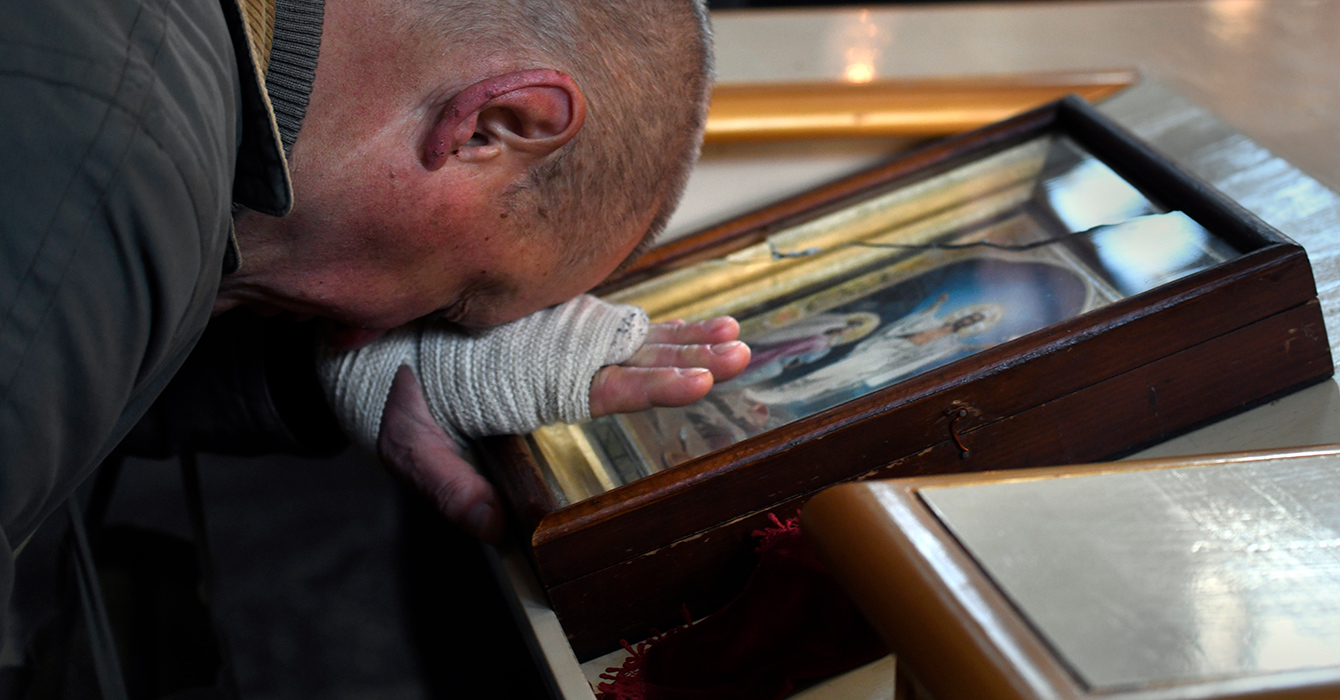
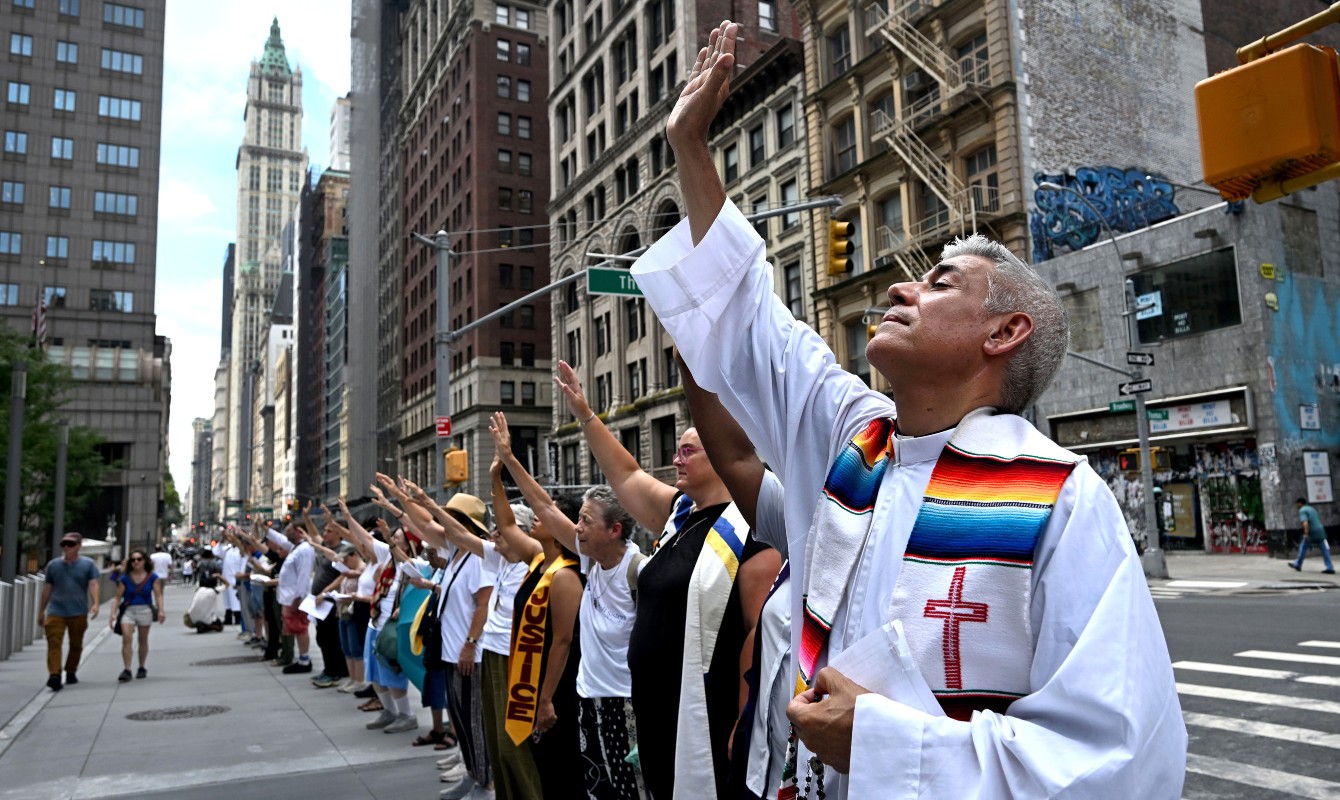
Guzy has seen many advocates and activists at the federal building, including the Rev. Fabián Arias, a pastor at St. Peter’s Church in Manhattan with a decades-long ministry in the sanctuary movement. Arias is among the clergy who show up for the weekly Jericho Walk. Coordinated by the New Sanctuary Coalition, the walk is a way to protest these proceedings and to accompany and provide resources for frightened families attending court hearings.
“We are the human family, and we need to protect one another, because you are my sister, because you are part of this life, and part of this world. The world is our house, and we live in this house,” Arias said. “In my life, in my personal heart, they are my sisters, my brothers, because we are that family. And I need to protect my brothers and my sisters because we have the same Father, God, and we need to protect who he asks.”
The images below are a fraction of those Guzy has captured. She and Arias spoke with Faith & Leadership’s Aleta Payne about their experience in the courts and with the families. Their remarks have been edited for clarity and length.
THE PASTOR
Arias, himself an immigrant from Argentina, accompanies families into court for what they hope will be the next legal step in their efforts to remain in the United States.
Fabián Arias: In Genesis, when God called Cain and asked to Cain, “Where is your brother?” And Cain responded, “I don’t know where is my brother. I’m no guardian of my brother.” My answer is, “Yes, I’m a guardian of my brother. I need to take care of my brother.”
And in San Mateo, when Jesus says, “I was hungry, and you fed me; I was in the prison, and you helped me.” My brother, my sister, especially when they come to this country, they’re just looking for a safe life. In many countries, it’s a very difficult political and social situation. They abandon the country because they’re really, really, really in a very difficult situation. What we want [is] to protect them and accompany them.”
Among the clergy, activists and advocates regularly at the court, Guzy said Arias has stood out to her.
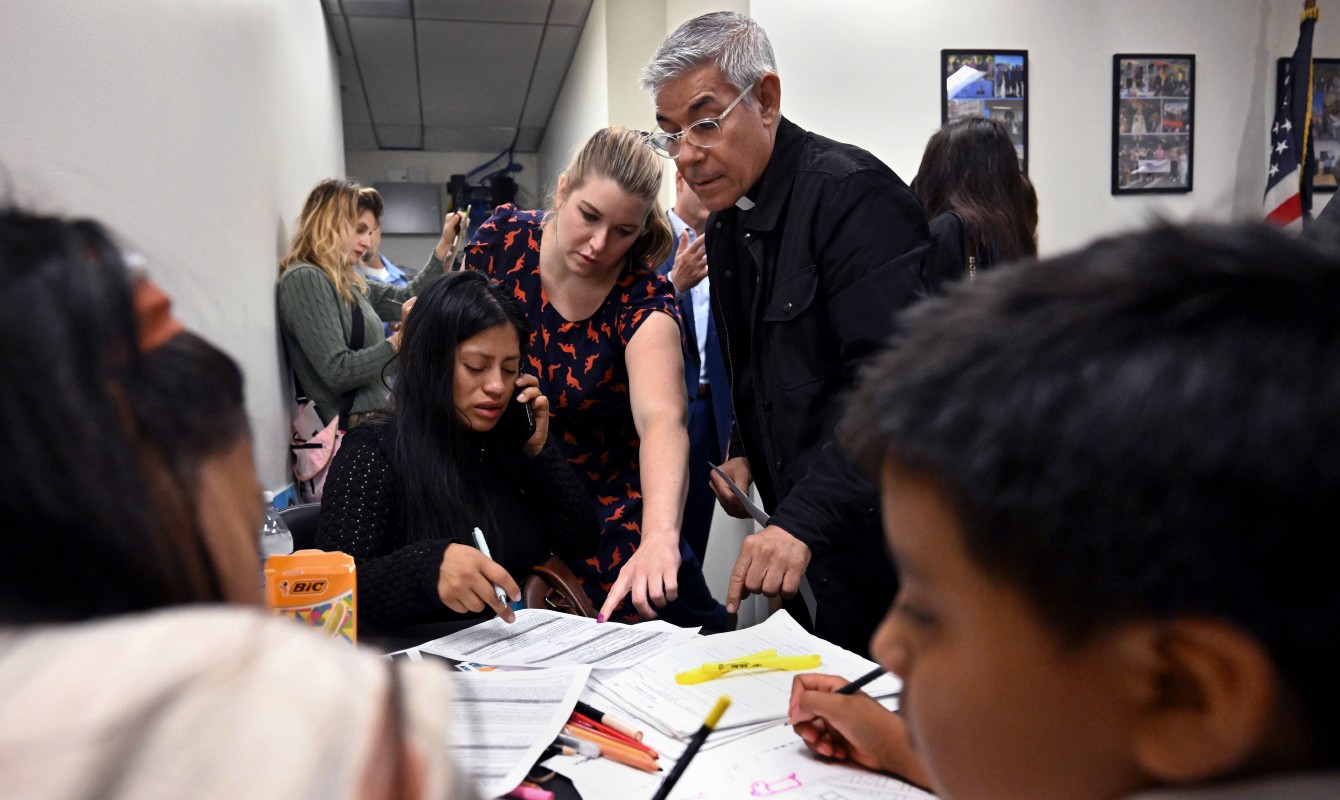
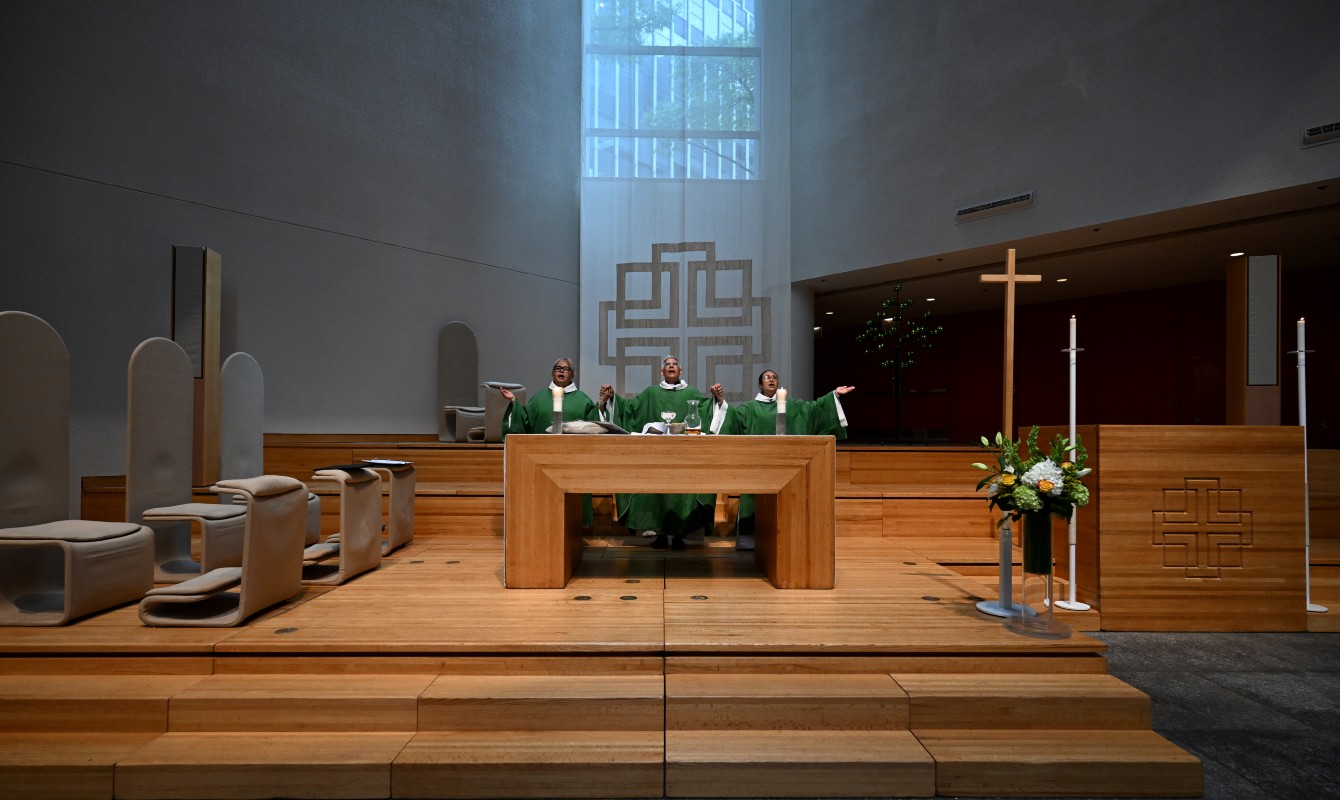


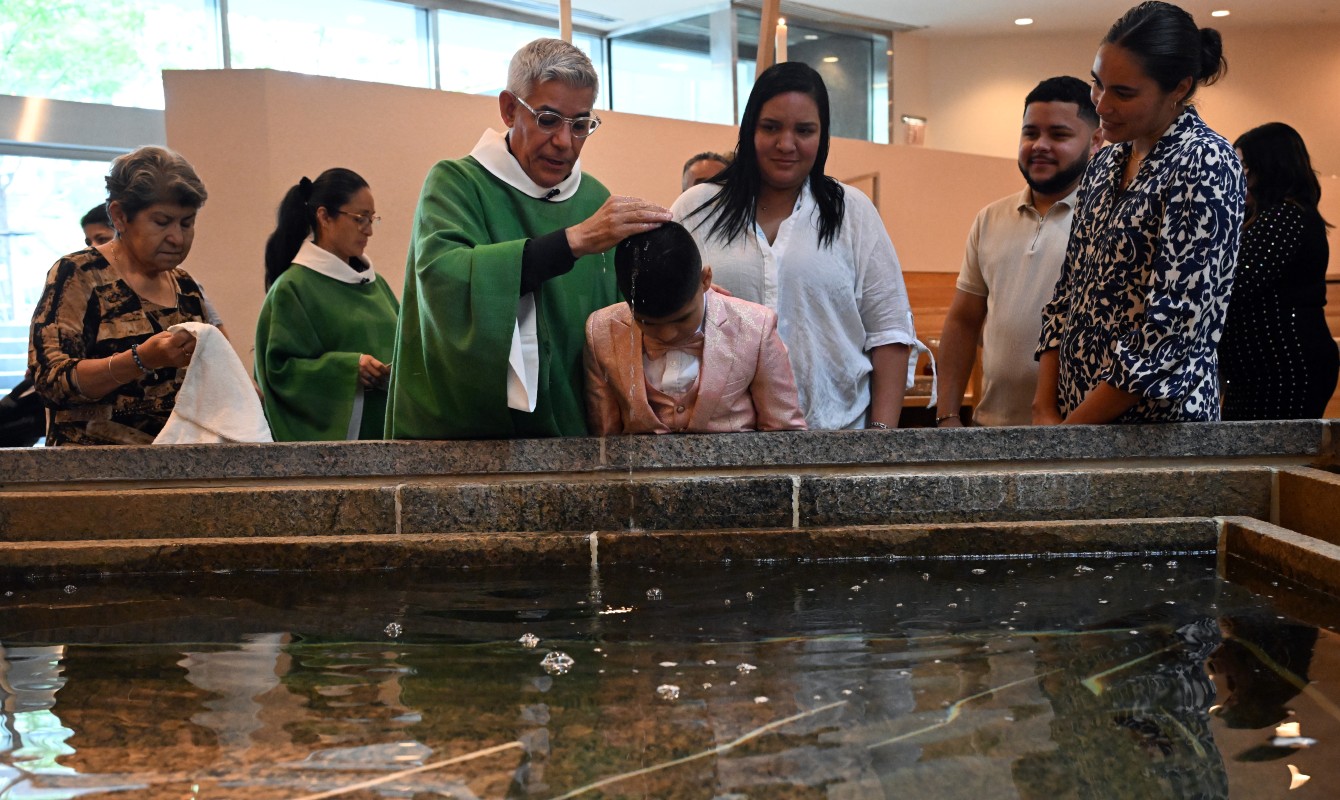
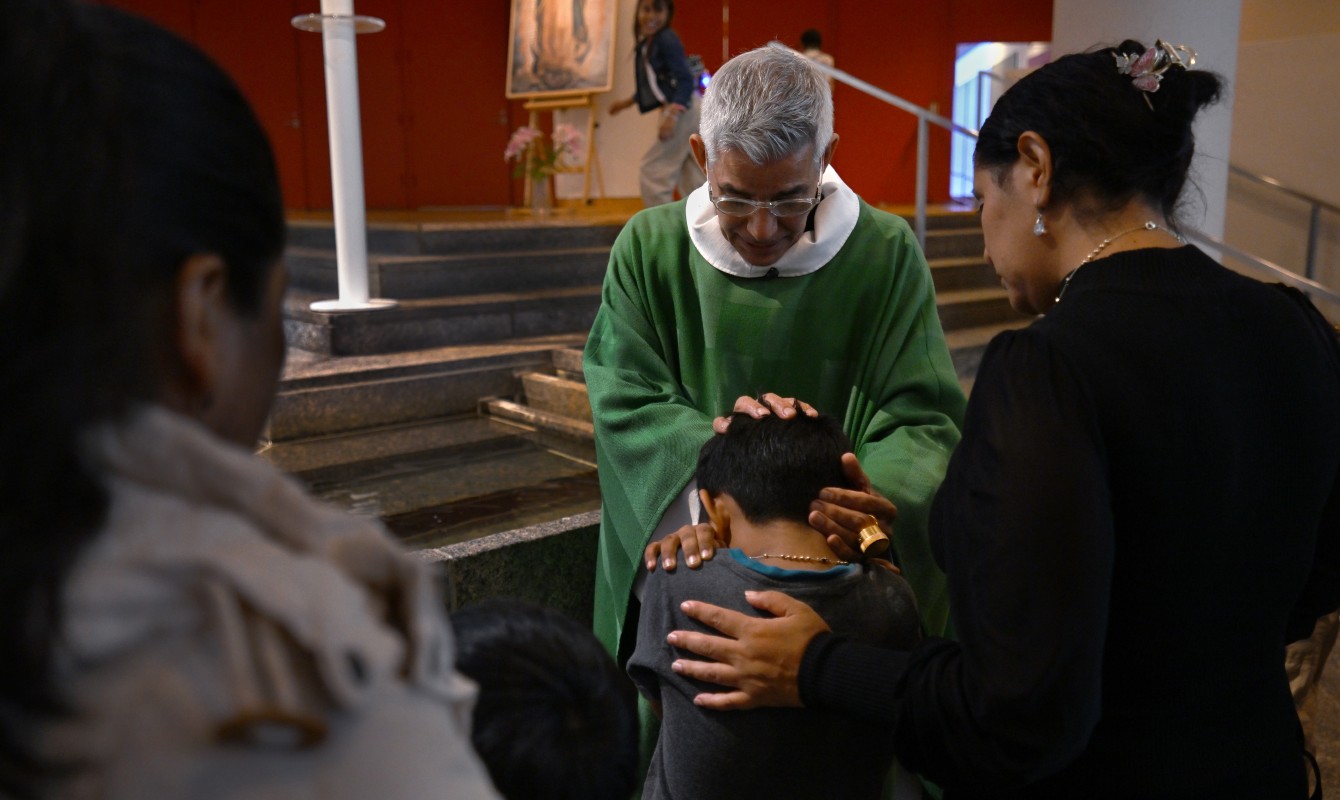
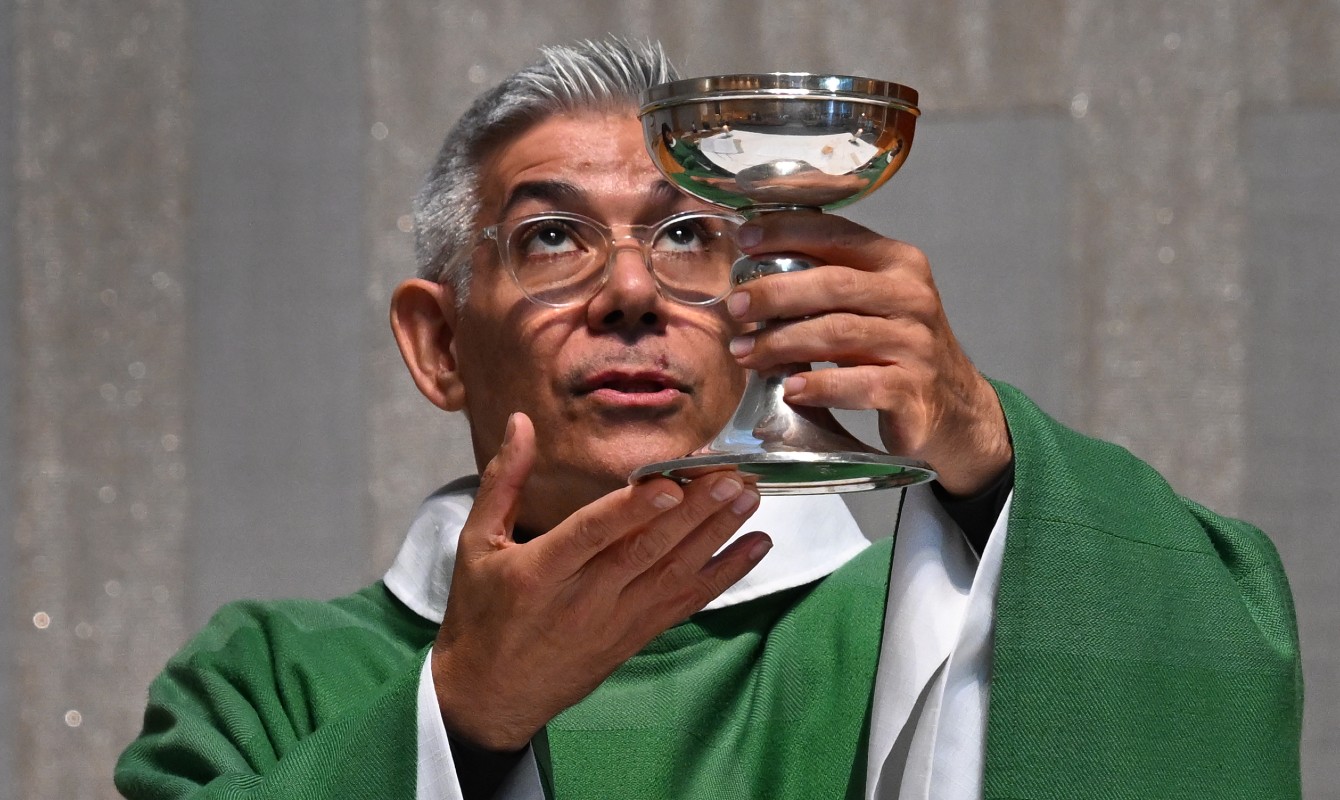

Guzy: He’s an amazing individual. The more I get know him, the more I witness what he does. He’s the real deal. A lot of people maybe wear the robes, maybe preach, but he walks the walk. He is such a help for so many people. He is such a resource of everything — solace, prayer, legal assistance, financial assistance. That church has become a new family for them because they’re all experiencing a loss of a family member right now. He’s just a force of nature during this whole thing and trying so hard to help the people that are affected.
THE FAMILIES
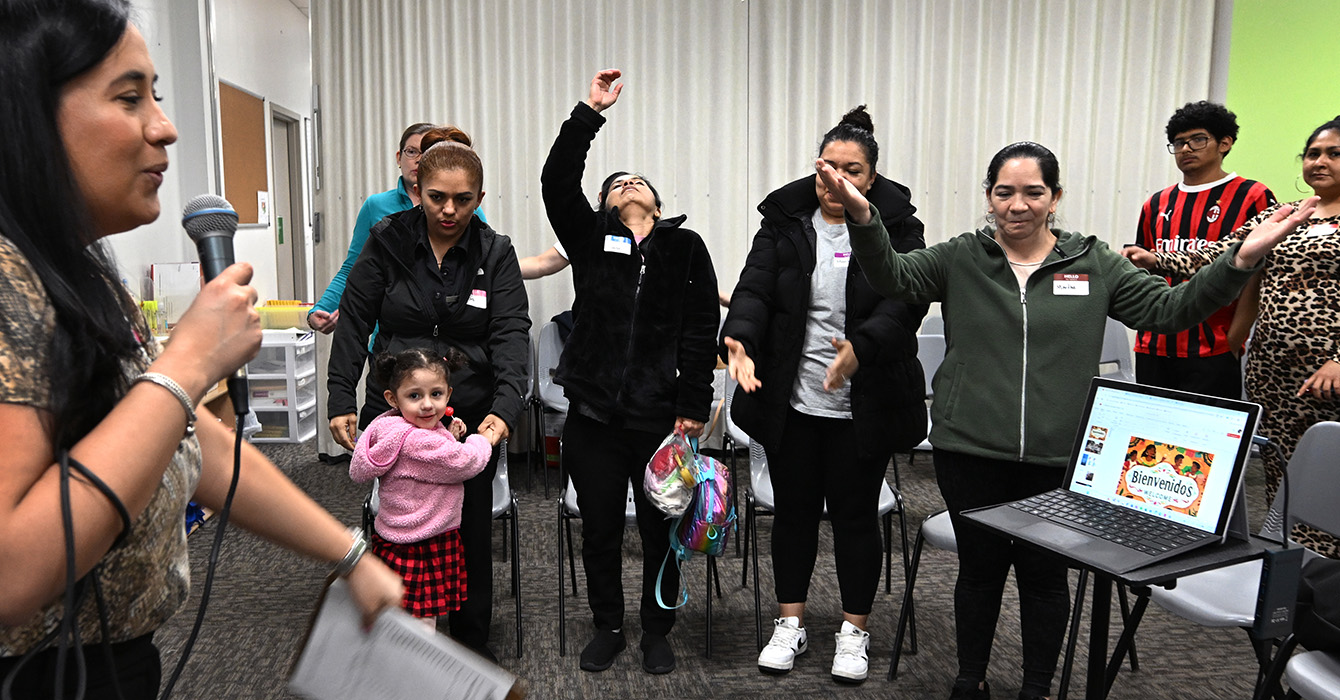
Some of the families have given Guzy permission to photograph them away from court, so she has been able to capture moments like birthday parties and the arrival of a new baby.
Guzy: They’re so gracious. These are the worst days of their life, but they’re amazingly strong and resilient. Once the initial shock and sorrow passes, they try to adapt. They’re all seeking help, legal advice, therapy for their kids. And slowly, it’s just human nature, you have to rise up from the despair and continue to live. Mostly it’s the husband — the breadwinner [who has been detained]. They struggle because now they can’t pay the rent. They have kids and they tore away the one person who was providing that kind of financial safety net for the family. They’re trying to figure out how to make ends meet on top of just getting through the emotional trauma.
You wonder, is this the answer? Is this truly the answer to do this? People have talked about the economic issues, that most of these people were productive members of society working and providing for their families. Now basically taxpayers are paying to house them in detention as they supposedly still go through due process. They have their court hearings while they’re in detention, which they were doing themselves, they were [already] coming to court [when they were detained]. So that’s another layer, whether this is even economically sound way to do this.
I think it’s a big responsibility to do the follow-up pictures that are more feature pictures. They’re not dramatic, like a lot of people want to take at the court, but I think they’re so, so important to put more of a real face on the people who are being affected by these immigration reform policies that the Trump administration has enacted.
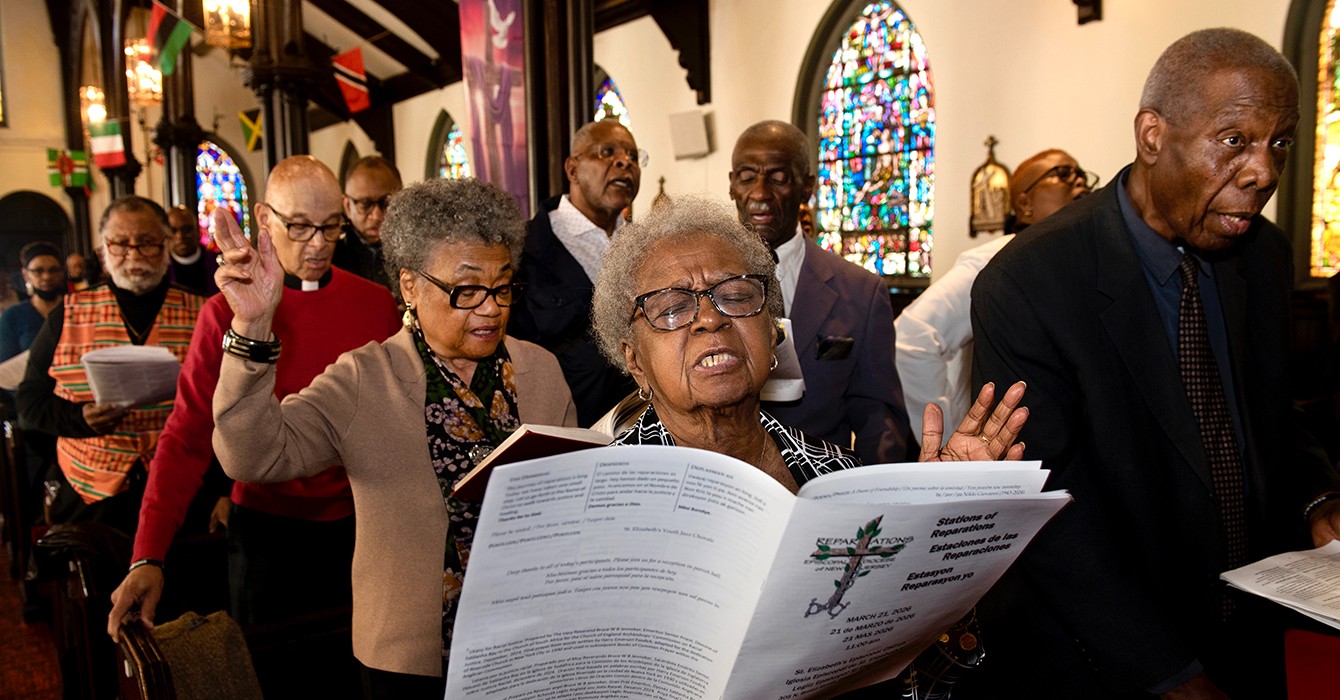
Like Guzy, Arias has come to know some of the families well, and he and his church have welcomed them in their midst.
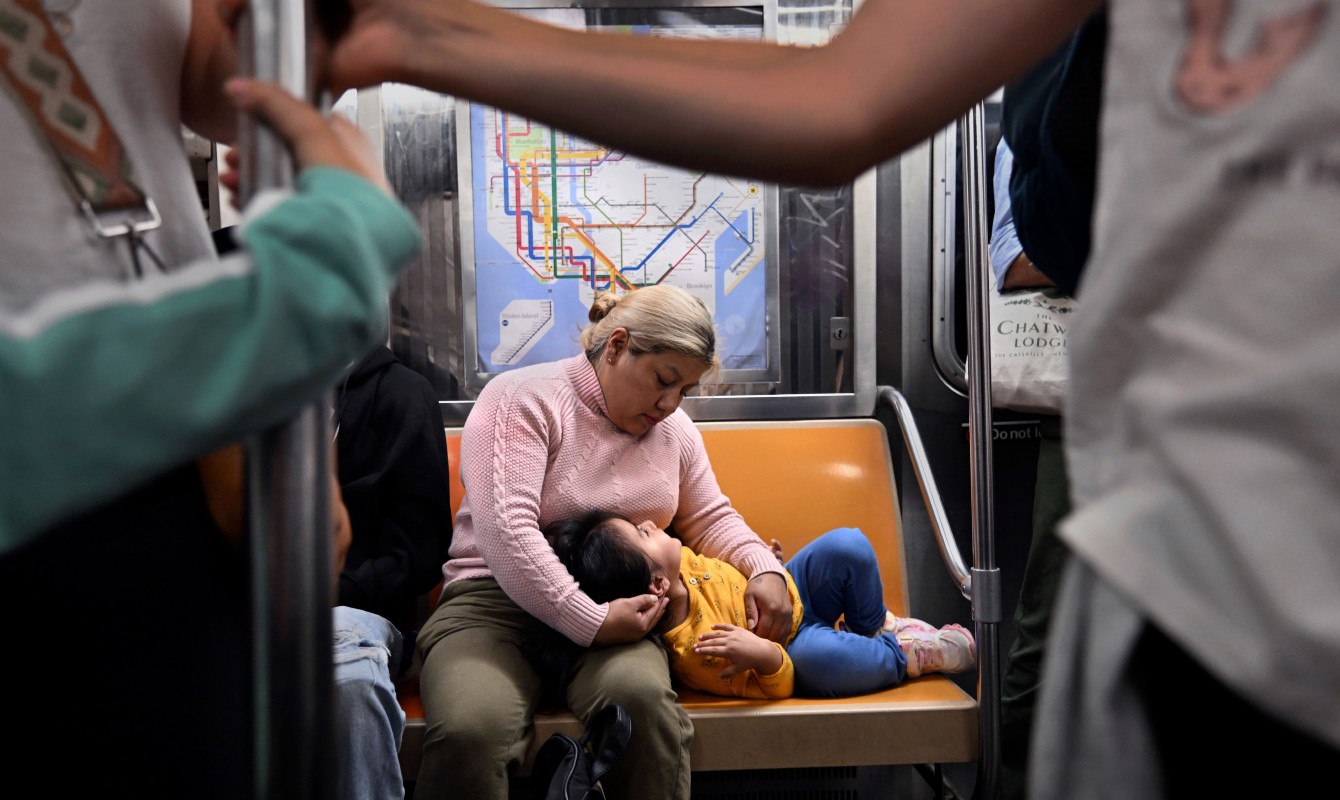
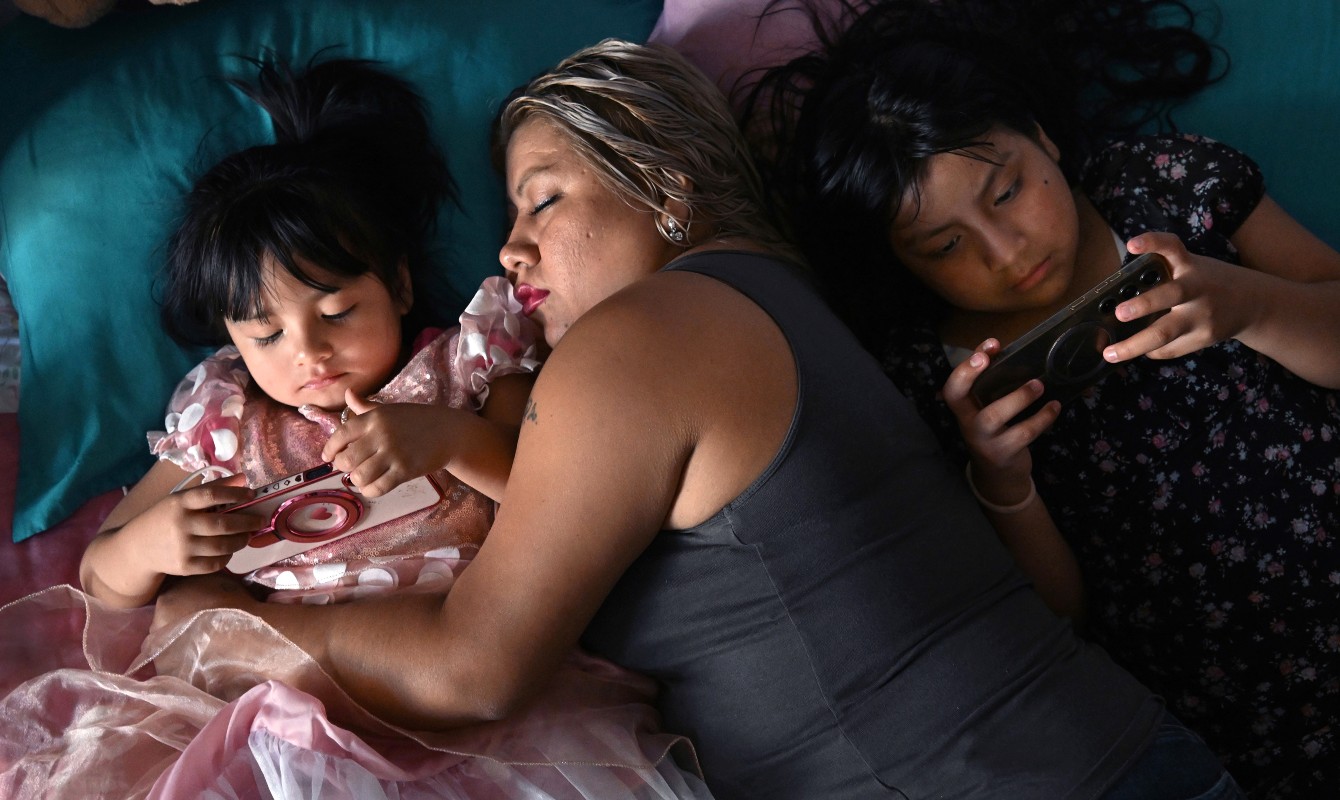
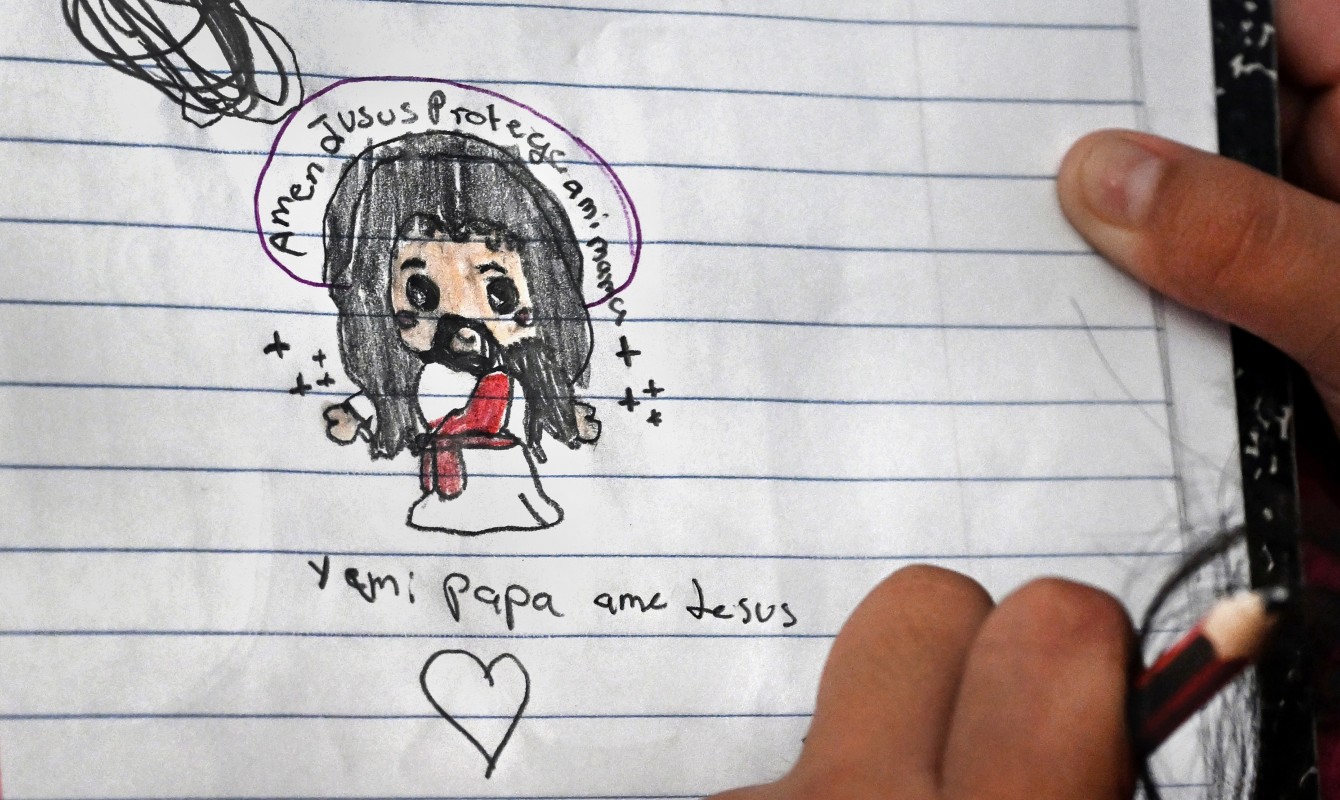
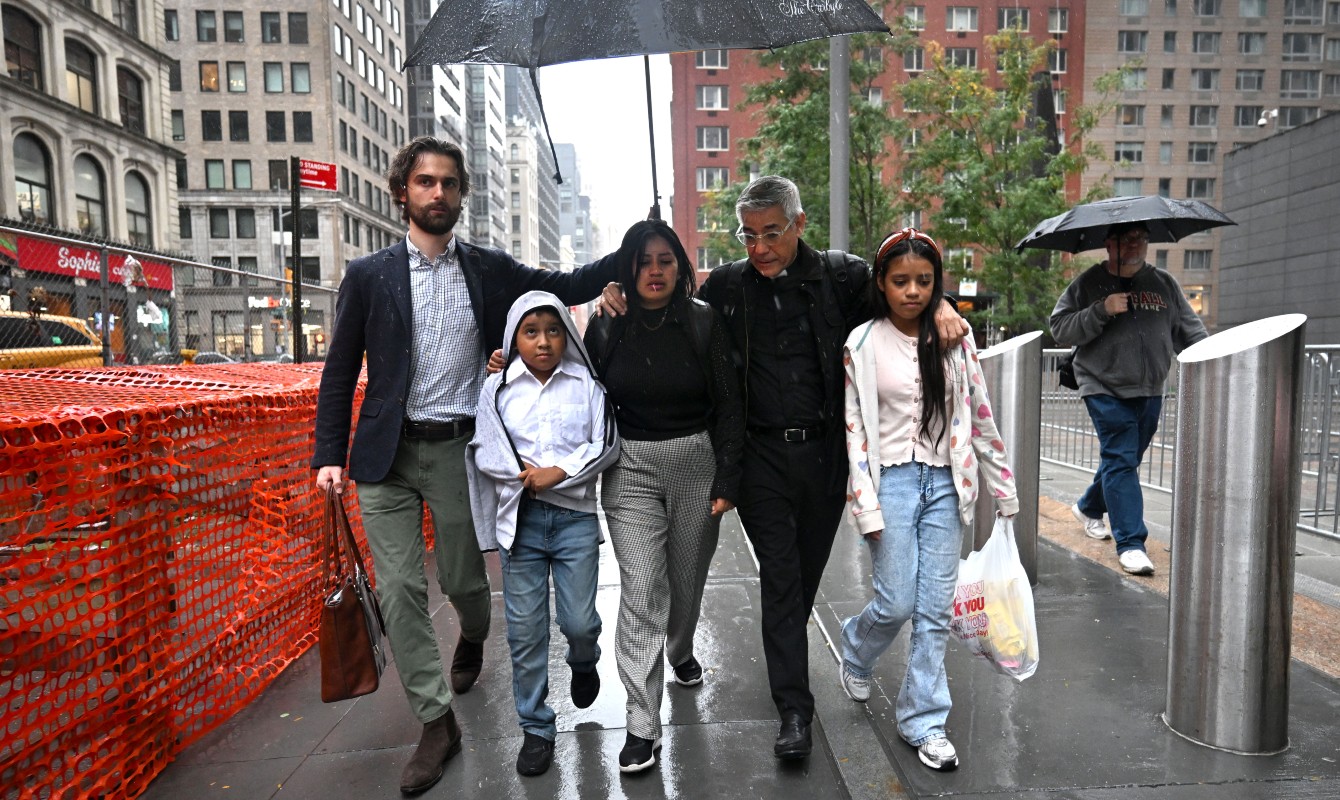

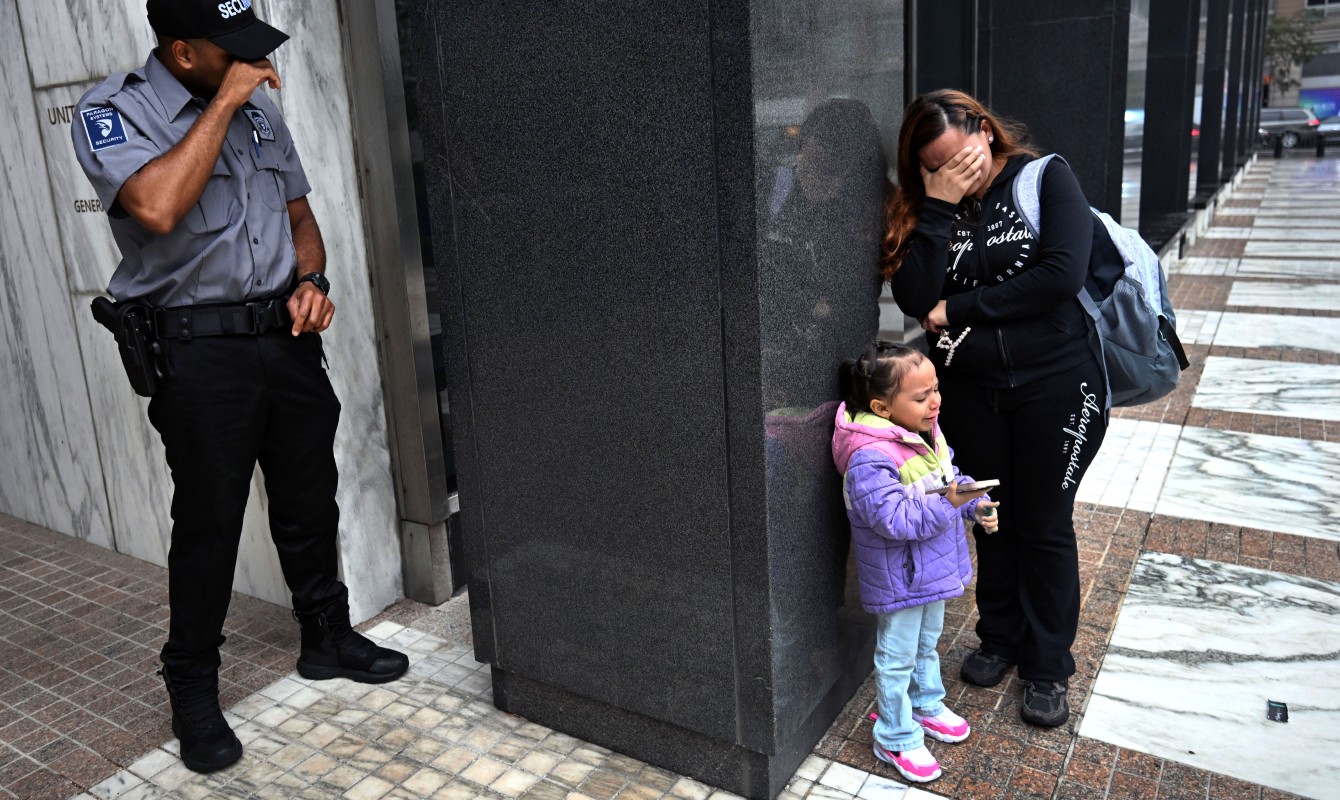
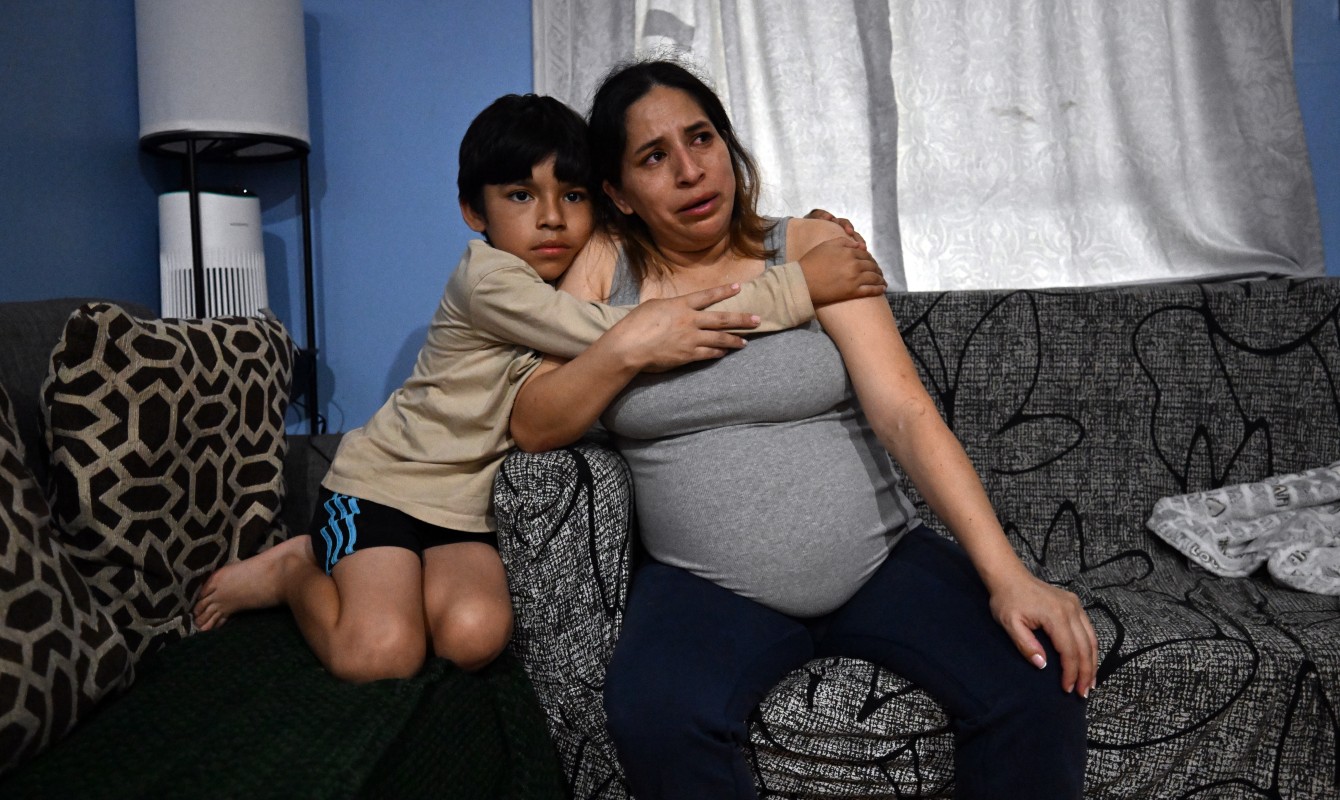
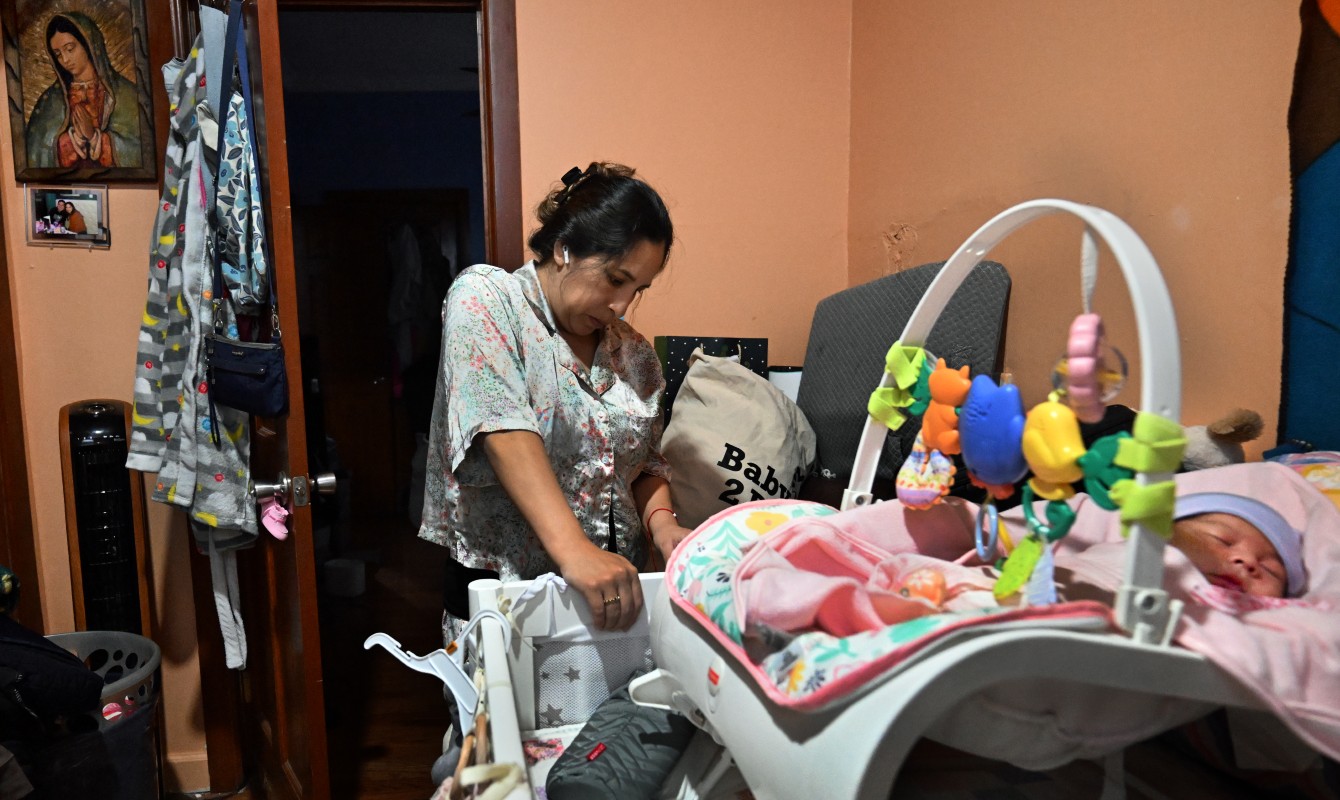
Arias: It’s me and many, many other community leaders. Accompaniment to the people, pray for them, talking with them because it’s important they feel that some people walking with them in hope and walking in faith, and it’s important they know that they’re not alone. We love them and we really want to protect them.
We understand that part of the community, they hate the immigrant. They really, really hate immigrant people. And we want to say, “Not everybody hate, no. We have a lot of people, we love you. We’ll protect you. We’re walking with you. And you are in our mind and our heart and our prayers.” This is very important for the people to know.
THE COURTS
In many cases, those detained are at the courthouse for what should be routine immigration proceedings. They are following the law by attending these hearings. Federal officers, however, have been making arrests in immigration courts around the country, often in front of their families. The grounds for these detentions are often unclear, and the families left behind may not know where the person has been taken. Images and video show violent altercations and traumatized children.
Arias: This is a very, very serious situation that we live in in this moment. And we go to the court to try to defend or to protect different people, but every wait [for a hearing] is more difficult because every wait that they use [to detain] us and the other people when they go to the court.
My prayer is for the heart of the political people with power to change this reality. God, listen to the cry of his people. God, listen and to see that his son and daughter that very, very suffering in this moment. My prayer is, please, God, move, change the heart of this administration for the stop of this terrible moment, and where we have a lot of violence in this moment. The only people, the ones that have the power for changing the situation, and the decision in this country especially for immigrants. The decision is from this administration, to try to change the situation of the people who live like this. We feel that, in this country, if they want to come, then they will receive protection, a safe life. They come to dreams and a better life for them.
Although the initial rationale given for the arrests and detentions was the removal of dangerous criminals, Guzy said the families often insist there are no outstanding arrests for violence. The officers do not provide documentation. She recognizes the need to remain unbiased in her photography and has engaged some of the law enforcement officers in conversation as she has spent more time at the federal building.
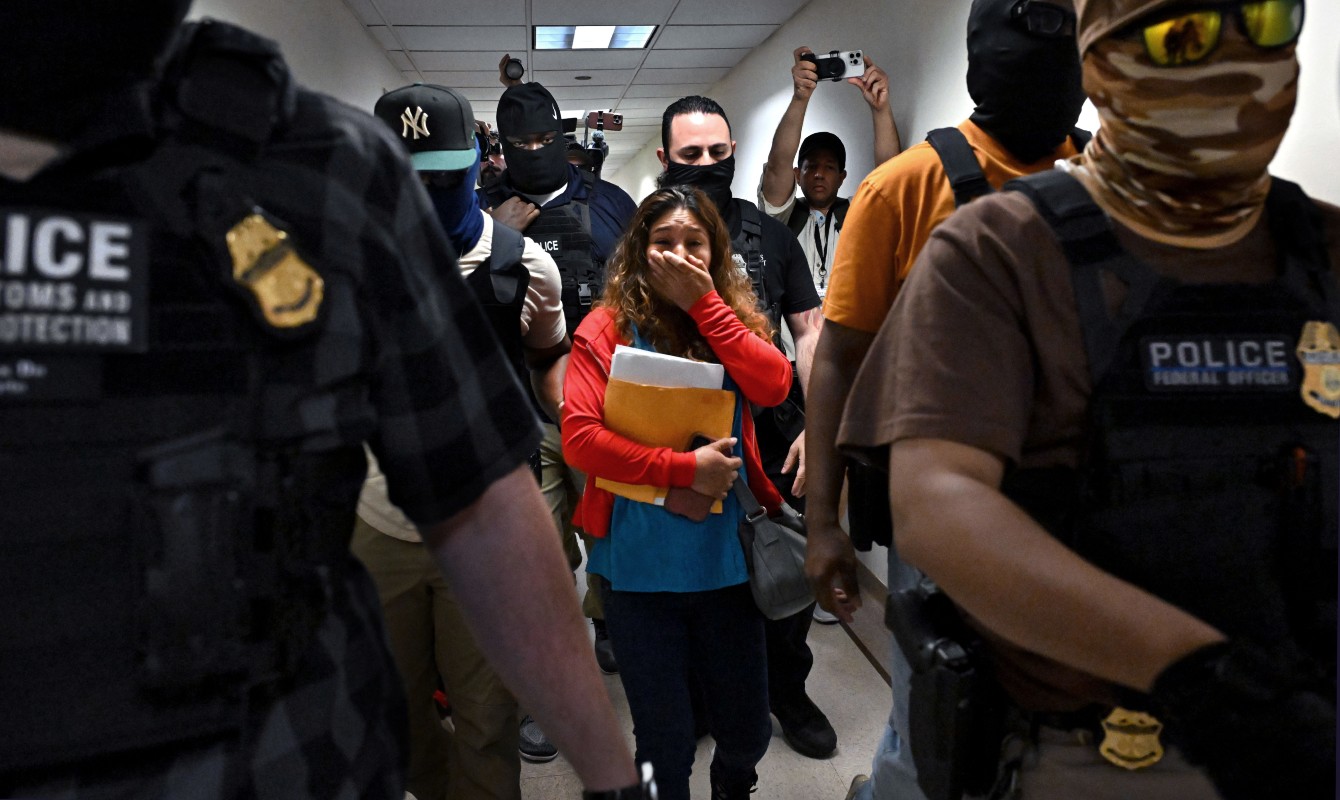
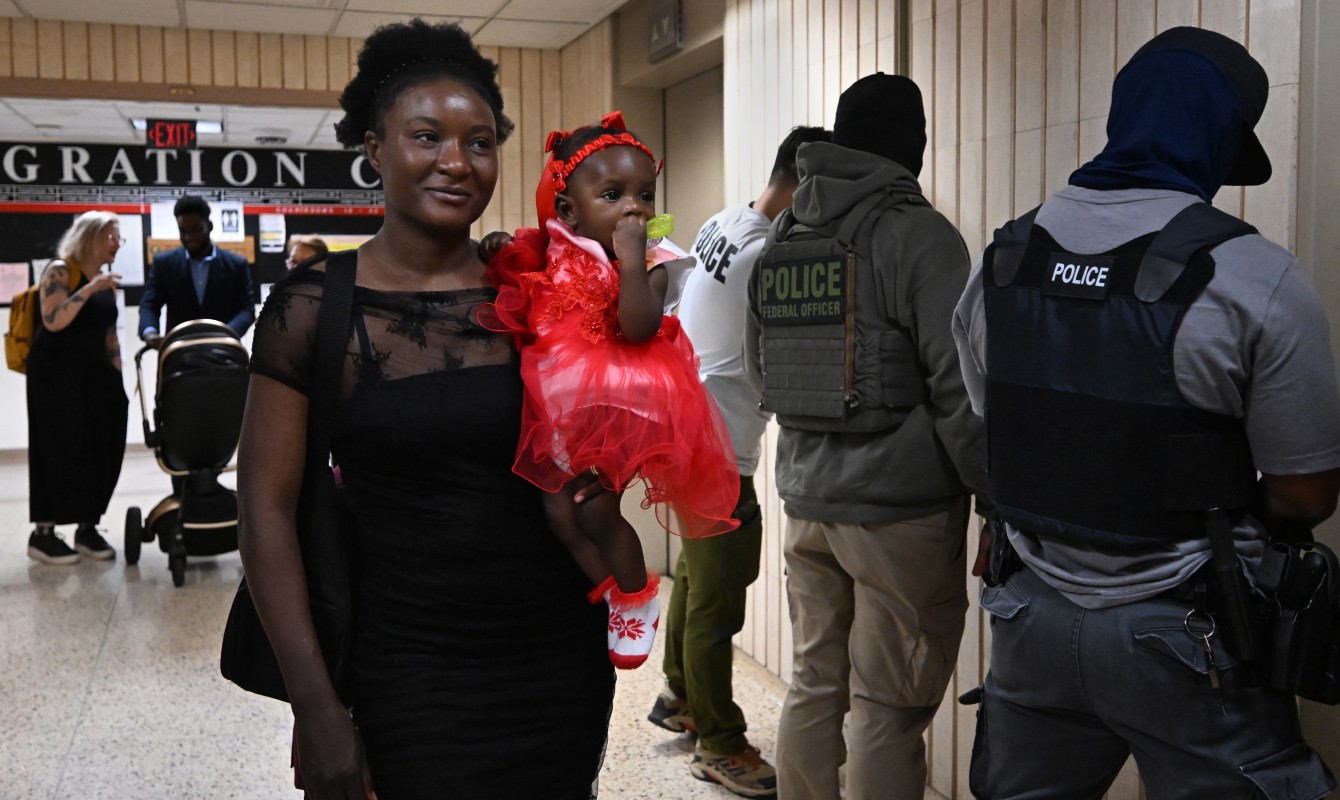
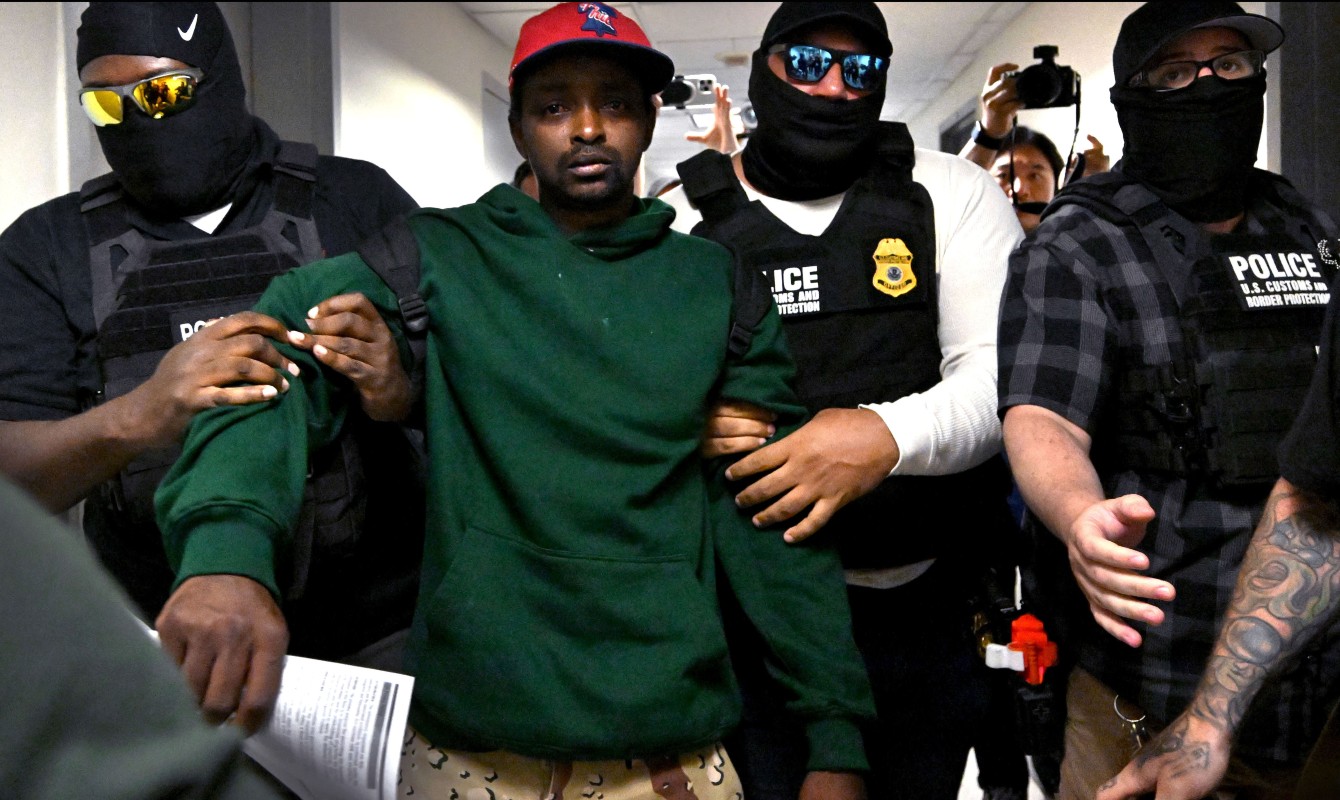
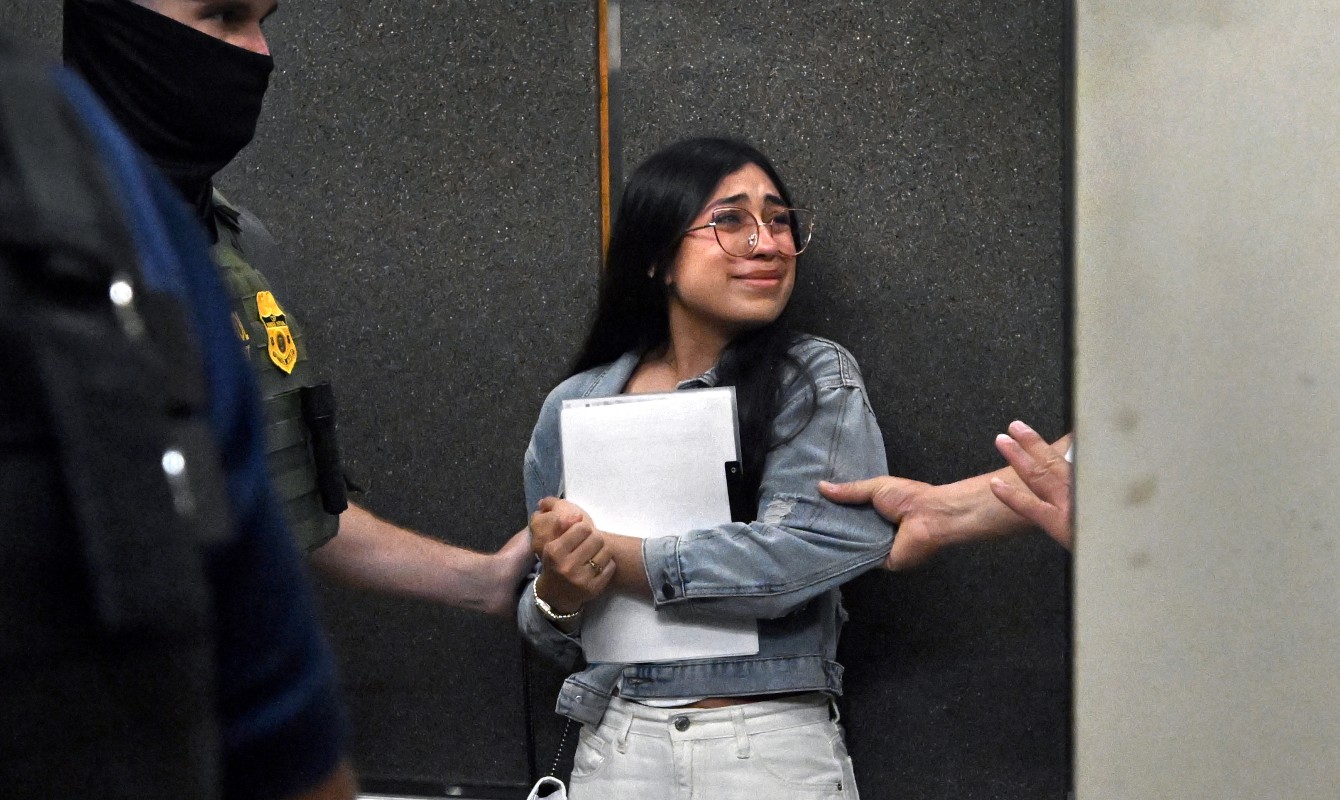
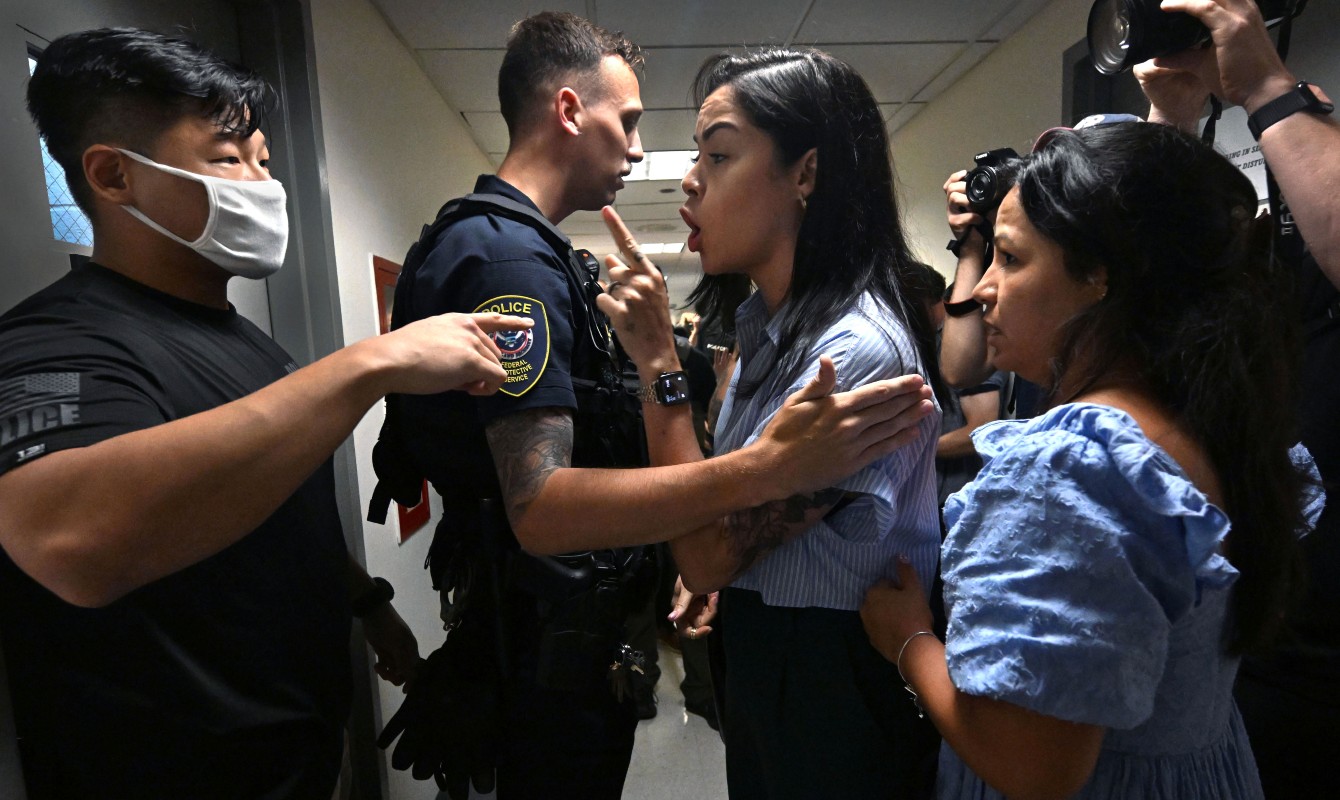
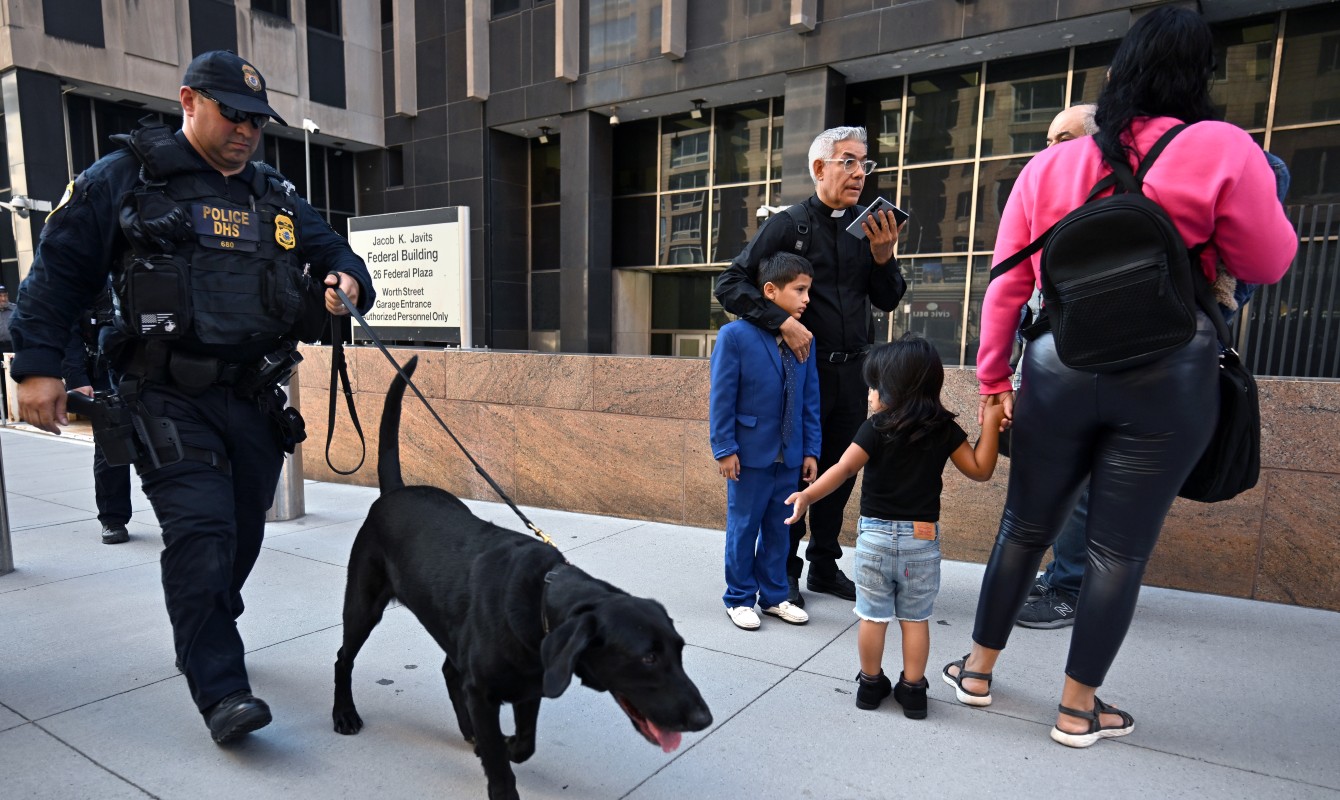
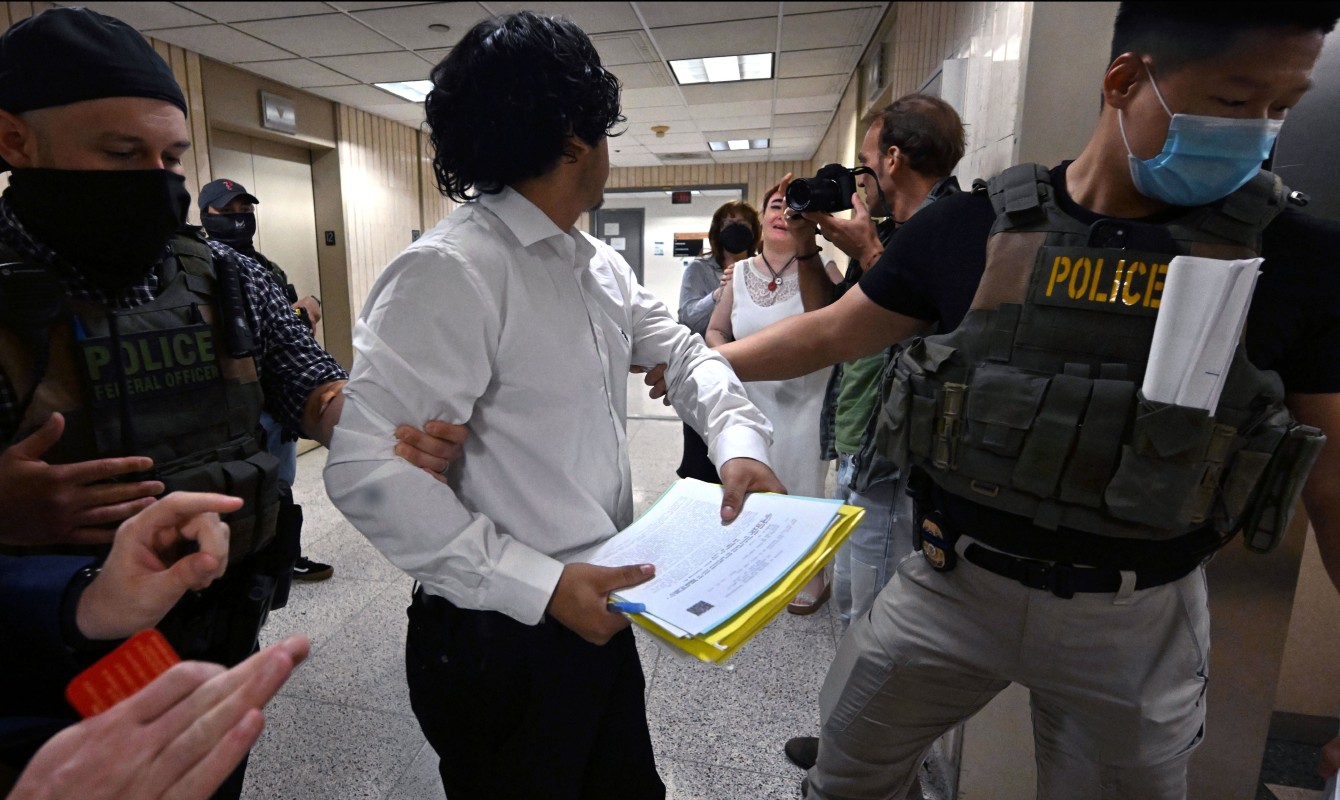
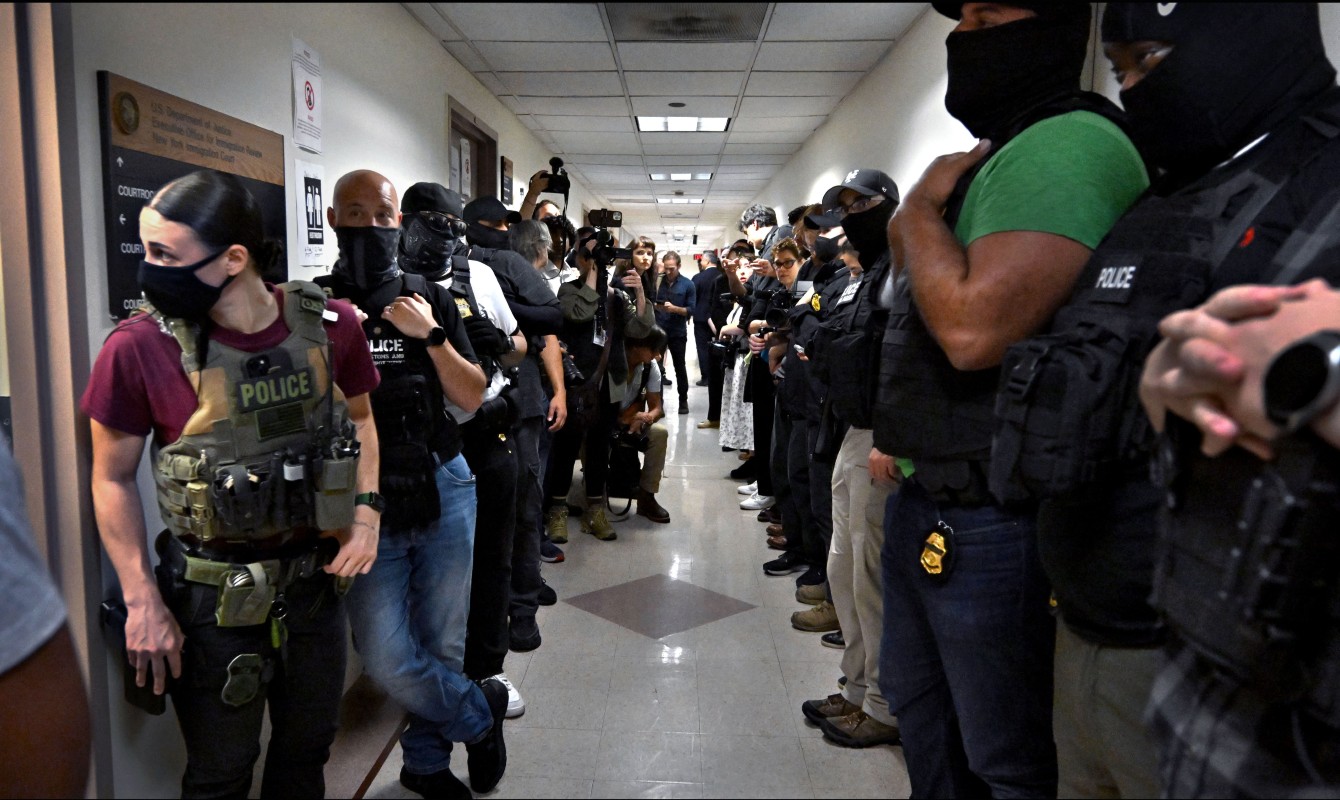
Guzy: [The arrests] are the one side that I see. Law enforcement will probably tell you that we are not privy to the information, why they took them. Some of the agents actually confide to us that they do feel bad for the families. This is their job, they don't make the laws — that kind of stuff.
The problem is we don’t have access to anything. We don’t have access to the detention floor where people are taken. We don’t have access to their information, why they’re being taken. Trying to be balanced is hard. I feel like my role there is to photograph what I can in the hallways of that courthouse because it’s important to have eyes there and have people be accountable for what they do. We need to be there. People need to see what’s happening in that courthouse, and I think it’s so critical that we do that.
Trying to be as balanced as we can, I think photographers, as I said, you should check your bias at the door when you cover any story and try to cover it fairly and accurately and open-mindedly and let the picture speak. Let the picture speak volumes.