This article is part of a series: Theological Education Between the Times
Looking back over more than 10 years of gatherings, conversations and writing, two leaders of the Theological Education Between the Times project reflect on the importance of dialogue.
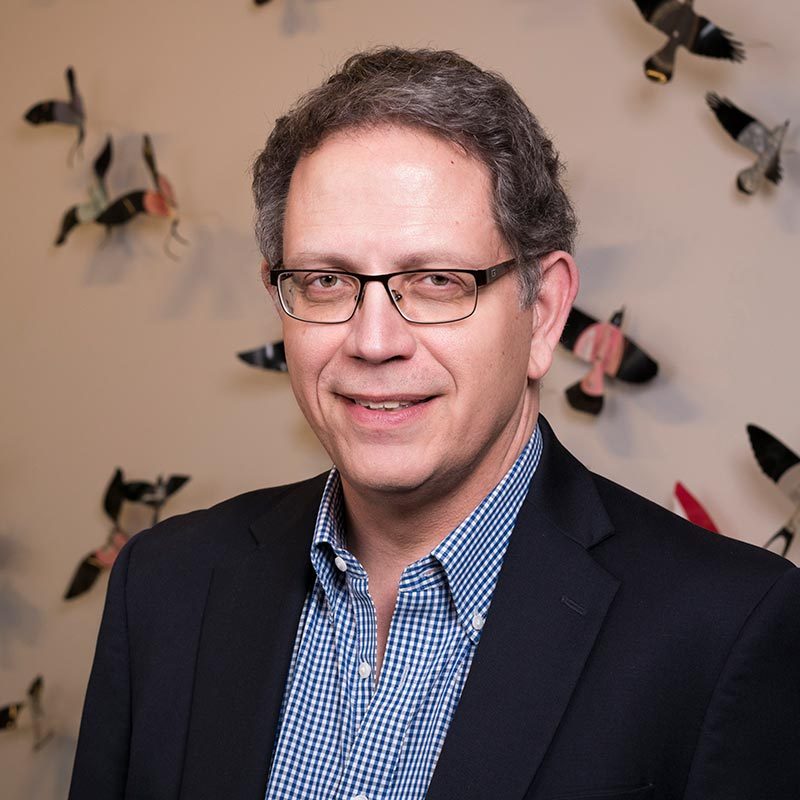
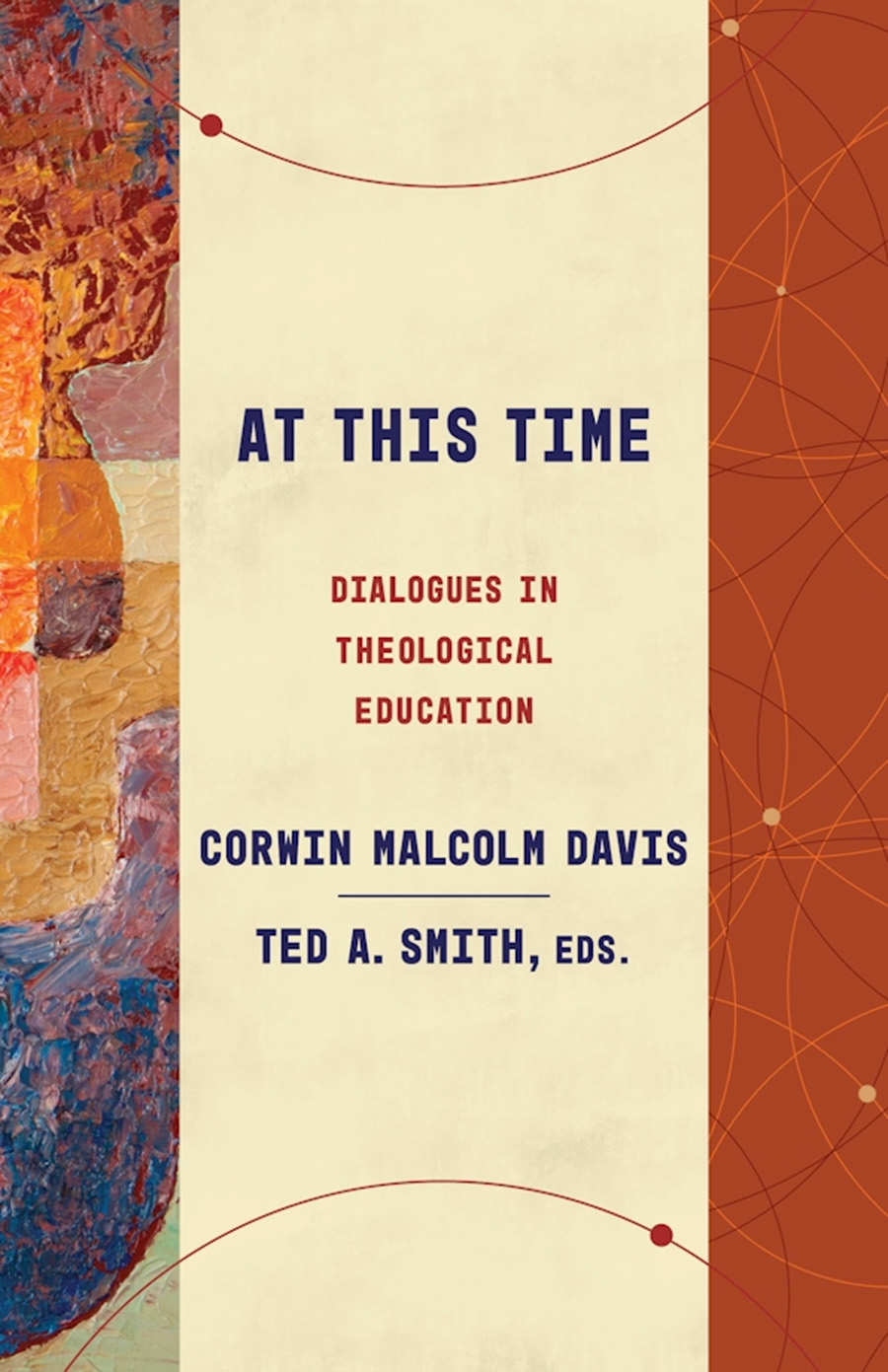
Ted A. Smith: Conversations have always been at the heart of the Theological Education between the Times (TEBT) project. Those conversations have not always been audible beyond the circle engaged in them. But they have always been present behind and between all the work of the project. In this latest book, “At This Time,” we decided to bring conversations to the fore.
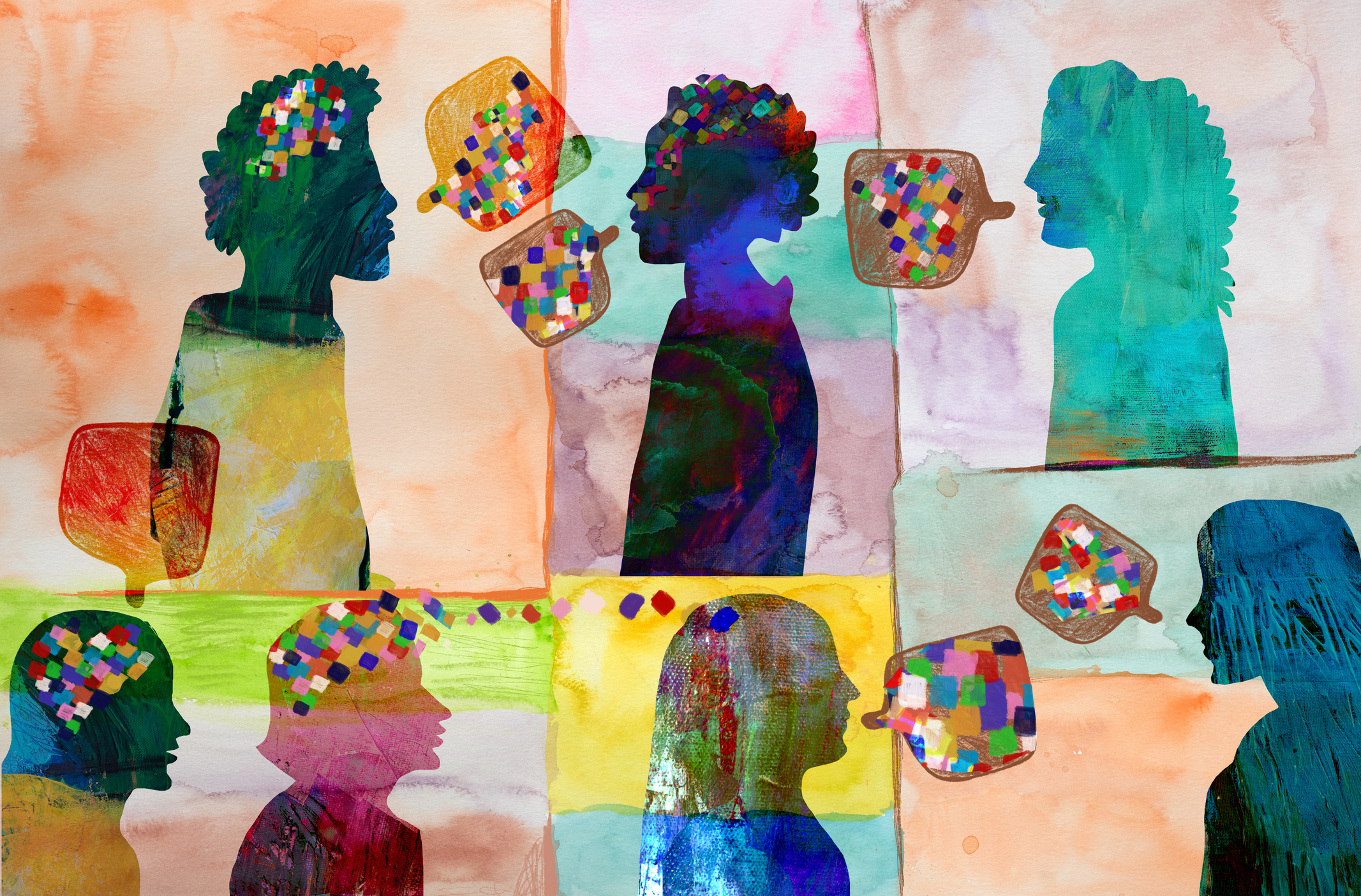
Corwin Malcolm Davis: The conversations that have shaped the project have also offered an opportunity to generate dialogues that cross so many constructed boundaries. While all of us in theological education have been impacted by some of the same large-scale social changes, we’ve been responding to those changes in different ways. And I think many of us genuinely are not aware of all the possibilities that others have imagined.
These dialogues help us open conversations across lines of race and ethnicity, theological tradition, institutional type and even disciplinary formation to broaden our imaginations. And this book really helps to make those dialogues live on the page.
TAS: For these conversations, we gathered an extraordinary new group of senior fellows, including Lucila Crena of Wesley Theological Seminary, Hannah Hofheinz of Phillips Exeter Academy, Grace Yia-Hei Kao of Claremont School of Theology, John Kartje of the University of St. Mary of the Lake and Mundelein Seminary, Ann Killian of Notre Dame, Caleb Maskell of the Vineyard USA, Juan Molina of Mexican American Catholic College, David Nacho of First Baptist Church of Vancouver, Janette H. Ok of Fuller Theological Seminary, Julian Davis Reid of Notes of Rest, Angela D. Sims of Colgate Rochester Crozer Divinity School, Joanne Solis-Walker of Emory’s Candler School of Theology, and Matthew Wesley Williams, formerly of the Interdenominational Theological Center and now of Groundswell Inc. It was quite a group!
CMD: It was quite a group, indeed! And, for many of them, our first gathering in Atlanta was the first time they had met one another. In planning, we sought to bring together voices from across the country who were navigating the changing landscape of theological education in creative and faithful ways. Through the gatherings, we learned just how innovative everyone was.
TAS: We met three times in person. The conversations were flowing from the start. And I hope they have flowed right onto the pages of the book.
CMD: That has been a signature of the project: relationships naturally evolving from times of writing, worshipping and sharing meals together. We were committed to thinking critically and reasoning together, but in ways that also allowed for our diverse particularities to shine and shape each of us as scholars and practitioners.
TAS: The relationships that emerged may be the most enduring part of the TEBT project. I believe in the power of books to make a difference in the world, and I believe in the books in this series in particular. But the relationships might end up doing even more.
One of the most gratifying things about this project has been to see people connect through it and then go on to do things together that go past the horizon of what we could envision. And that we did not have to plan! I hope this book both captures some of that and provokes more of it to come.
CMD: I echo that hope. Our shared aims around the gatherings and the writings were always moving us toward those relationships. The work was never about producing a manual or a lexicon of “solutions.” Moreover, we did not have the aim of pushing everyone to converge around a single statement. Pluralism – including some disagreements of real consequence — endured, even as people’s thoughts became deeply interconnected.
The form of this book is designed to present that difference-with-connection to the reader. Each author writes a short essay so that we can hear them speak in a sustained way in their own voice. And then a dialogue brings two other authors into conversation with the essay’s author about the questions they have raised.
TAS: Those conversations were already happening as we read one another’s work. We wanted to preserve and extend them because they were not just a means to the end of better final products. They were themselves an exercise in theological education. At their best, they became a kind of liturgy, a flash of church.
CMD: I would even expand that to say that those theological conversations were also contributors to meaningful formation of those of us who shared in them. The dialogues did not merely shape the writing, but they shaped us as people.
TAS: I think that’s another reason to retain the dialogical form in the book. I hope that people who read the dialogues will get caught up in some of the same kinds of formational processes that worked so powerfully on us.
CMD: I think it’s why we decided to do this reflection as a dialogical form, too. I have been struck by the amount of conversation generated by the TEBT books, in the broadest sense. It has been so encouraging to hear about colleagues who are using one of the texts in their courses or to learn about projects that have been inspired by the TEBT ethos.
It seems to me that one of the large hopes of “At This Time”— that it would inspire and provide resources for further and more wide-ranging dialogues — is already taking place in some measure. Have you sensed that, too?
TAS: I hope that is what’s happening. It’s one reason I hesitate to call this book a “capstone” to the series. I mean, it might not even be the last book! But we are bringing the wider TEBT project to a close. After a little more than a decade, it’s time.
If this book is a capstone, I hope it offers a sturdy, level surface for other people to build something new. Something beautiful, brave and faithful. Something we could not have imagined.