Faith leaders overwhelmed by the great mismatch between small, aging congregations and large, deteriorating properties can look to state and municipal governments, not-for-profit organizations and private developers for assistance. But they also need to find innovative ways to help themselves.
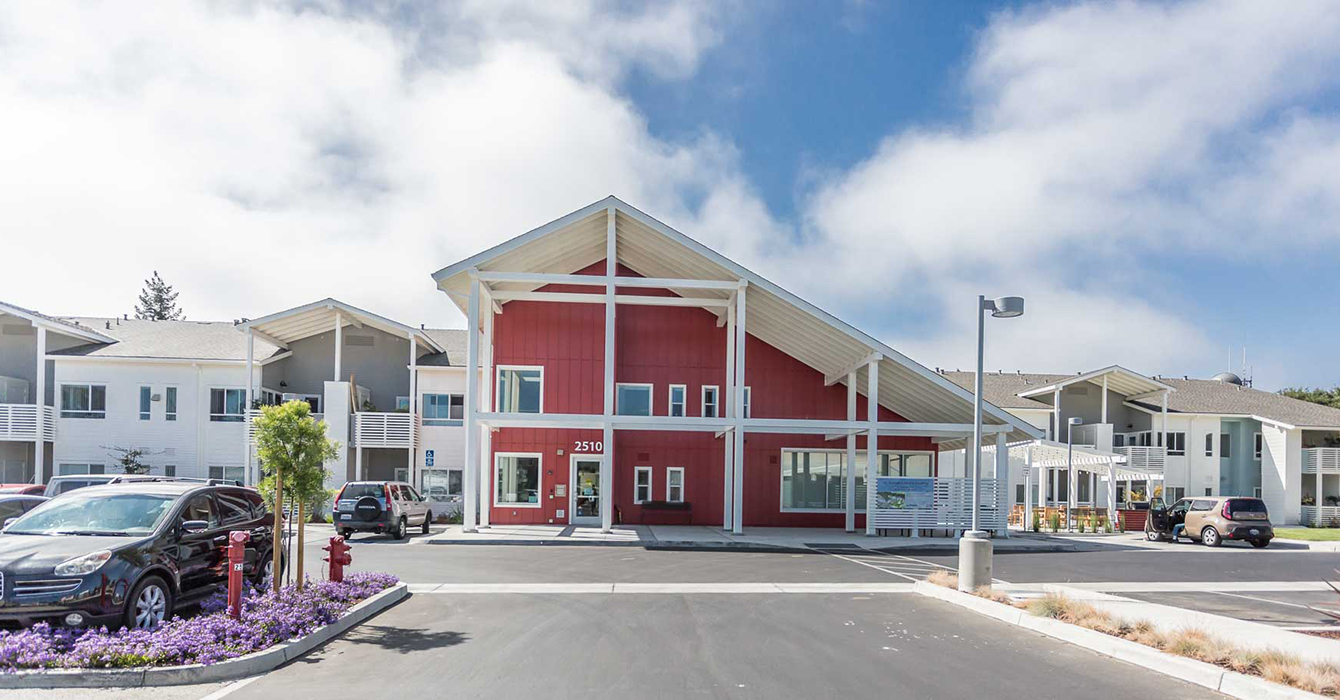
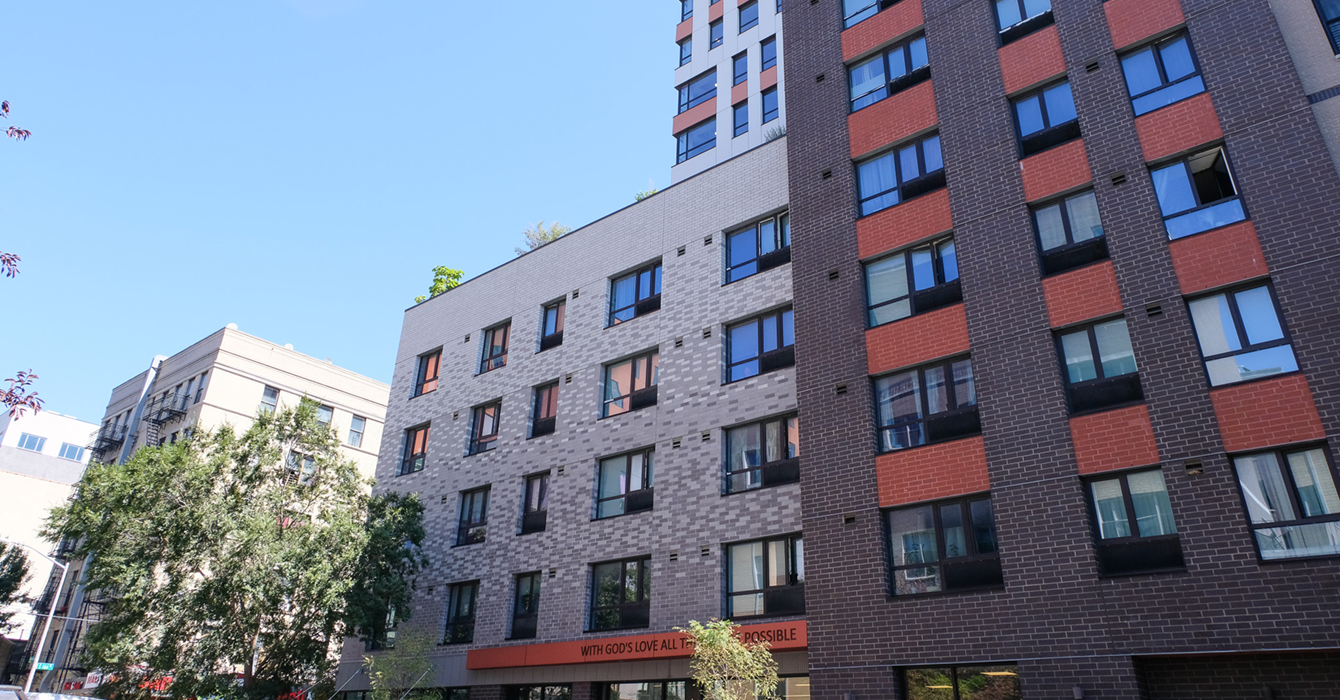
A few trailblazing congregations and pastors have bravely transformed underused properties into affordable housing, childcare centers, arts and cultural centers, and social enterprise hubs. A Rutgers University survey has identified 200 faith properties converted to affordable housing and shelters over the past decade.
But 20 properties per year pales in comparison to the tens of thousands of houses of worship struggling with emptying properties, many with church halls, education buildings, parsonages and large parking lots in addition to sanctuaries.
The scale of the challenge is alarming. The lone United Methodist bishop covering upstate New York and central Pennsylvania, an area not experiencing high growth, oversees 1,200 churches worth an estimated quarter of a billion dollars, many if not most with underused properties.
Relatively few judicatories have the collective expertise required to respond to the massive scale of the current challenge. Often these properties are handed over to local realtors to put a “for sale” sign up and see what potential buyers walk in the door.
The good news with this approach is that it can produce ready cash for the judicatory or congregation. The bad news is that it may preclude preserving the house of worship as a community asset: affordable housing, not-for-profit meeting places or another worthwhile use.
The best-positioned religious leaders may be those who have set up real estate-related initiatives affiliated with but not controlled by the religious body. As the following examples show, these include both research and development initiatives.
Research initiatives:
- Cooperative Baptist Fellowship, a network of more than 1,800 congregations, has published three volumes in the booklet series Sacred Spaces, Innovative Places, which features case studies of successful reuse projects.
- Virginia Episcopal Real Estate Partners (VEREP), an affiliate of the Episcopal Diocese of Virginia, hires professionals to analyze the real estate possibilities of Episcopal churches in the Dioceses of Virginia and Southern Virginia.
- Lutheran Church Extension Fund, an affiliate of the Lutheran Church-Missouri Synod, has a Real Estate Solutions department that conducts feasibility studies, advises on excess property and acts as owners’ representatives.
Development initiatives:
- United Church of Christ Church Building & Loan Fund, based in Cleveland, was formed in 1853. In additional to providing loans, it assists UCC and other Christian congregations in reuse and redevelopment projects.
- Wesley Community Development Corporation is an affiliate of the Western North Carolina Annual Conference of the UMC. It’s a one-stop shop, managing, evaluating, redeveloping and, if need be, selling properties. A handful of other United Methodist conferences have contracted with Wesley CDC to take advantage of their services.
- The former bishop of the Episcopal Diocese of Los Angeles set a goal to build affordable residences on 25 percent of church campuses and designated a church agency, Episcopal Communities & Services, to do so.
Arranging reuse or redevelopment of a property here and there shows religious leaders it can be done but barely makes a dent in the need; political scientist Ryan Burge of Washington University in St. Louis forecasts a “silver tsunami” as congregants age.
While surveys do not exist for maintaining religious properties, the Building Owners and Managers Association estimates that operating warehouse space costs an average of $4 per square foot and operating office space about $12 per square foot (both minus property taxes, which faith properties do not pay). Many houses of worship feature expensive accoutrements such as steeples, pipe organs, and stained-glass windows, which adds to the costs. Deferred maintenance can contribute to the burden as well.
A median in-person church attendance of 70, as estimated by the Hartford Institute for Religion Research, cannot support those operating costs, never mind staffing and administrative costs.
Taking up slack
The tremendous scale of the challenge has propelled other, nonreligious entities to pick up some of the slack, attempting to tilt the playing field toward turning surplus faith properties into community assets.
Eight state governments — California, Florida, Hawaii, Maryland, Minnesota, Oregon, Virginia and Washington — have passed so-called YIGBY (yes in God’s backyard) legislation. This grants incentives to religious institutions that reuse and redevelop their properties into affordable housing. More states are considering following suit.
Several municipal governments have passed local legislation and/or created programs to help faith organizations pursue reuse and redevelopment. The cities of Atlanta, Charlotte, Portland (Ore.), San Antonio, San Diego and Seattle, as well as Montgomery County, Maryland, are good examples of local governments where officials have taken action.
The Rev. Patrick E. Reidy, faculty co-director of the Church Properties Initiative at the University of Notre Dame, provides an excellent summary of state and local legislation and programs in the article “YIGBY Laws,” as does the organization YIGBY in its YIGBY Legislation Map.
Nonprofit organizations, often funded by local government or foundations, form cohorts of congregations to explore building affordable housing or find other ways to link their surplus properties to community needs.
Enterprise Community Partners, LISC, Partners for Sacred Places, Rooted Good and Sympara shepherd such groups. Foundations like Trinity Church Wall Street’s Mission Real Estate Development Initiative have been national leaders.
Universities also have joined the chorus. The Ralph W. Voorhees Center at Rutgers University, the Terner Center at the University of California, Berkeley, and the Fitzgerald Institute at the University of Notre Dame have each launched initiatives to promote reuse and redevelopment of faith properties.
The challenge
Given this landscape, I think denominations and judicatories could do more to repurpose property for community use. Denominational foundations, with millions of dollars in their coffers, and pension funds, with billions, have been conservative about investing assets to assist houses of worship in reuse and redevelopment projects. Most focus on the supply side — growing their investments — rather than the demand side of repurposing faith properties for community use.
There are models in other industries. The AFL-CIO Housing Investment Trust, for example, uses its union pension funds to finance affordable housing projects, which generates financial returns while creating jobs for union construction workers. (In contrast, foundations and pension funds often lend to houses of worship at slightly lower-than-market interest rates.)
The AFL-CIO trust, created 40 years ago, reports building more than 140,000 housing units and creating more than 217 million hours of union jobs. The organization justifies its investments as not only being good for the community but also creating union jobs. Both elements are valued. Religious institutions might justify similar equity investments as not only being good for the community but also driving mission.
Another interesting case is the rail transportation industry. Faced with poor performance, railroads and transit authorities have realized they are as much in the real estate business as they are in the transportation business. The real estate they own is valuable, delivering both new customers and increased revenues.
The Washington Metropolitan Area Transit Authority, which serves our nation’s capital, recognizes the opportunity: “Metro owns more than 1,000 acres of property. … Managing these real estate assets is critical.” But among the goals one might expect, such as to “generate new transit ridership and fare revenue,” the authority also wishes to “improve access and circulation” and “foster local economic development” — goals that clearly benefit the wider community.
Religious institutions, with their multiple billions of dollars of real estate, have the ability to preserve and reuse property at a scale that could make a difference across the country. As other institutions have discovered, real estate can be valuable in driving both mission and the bottom line.