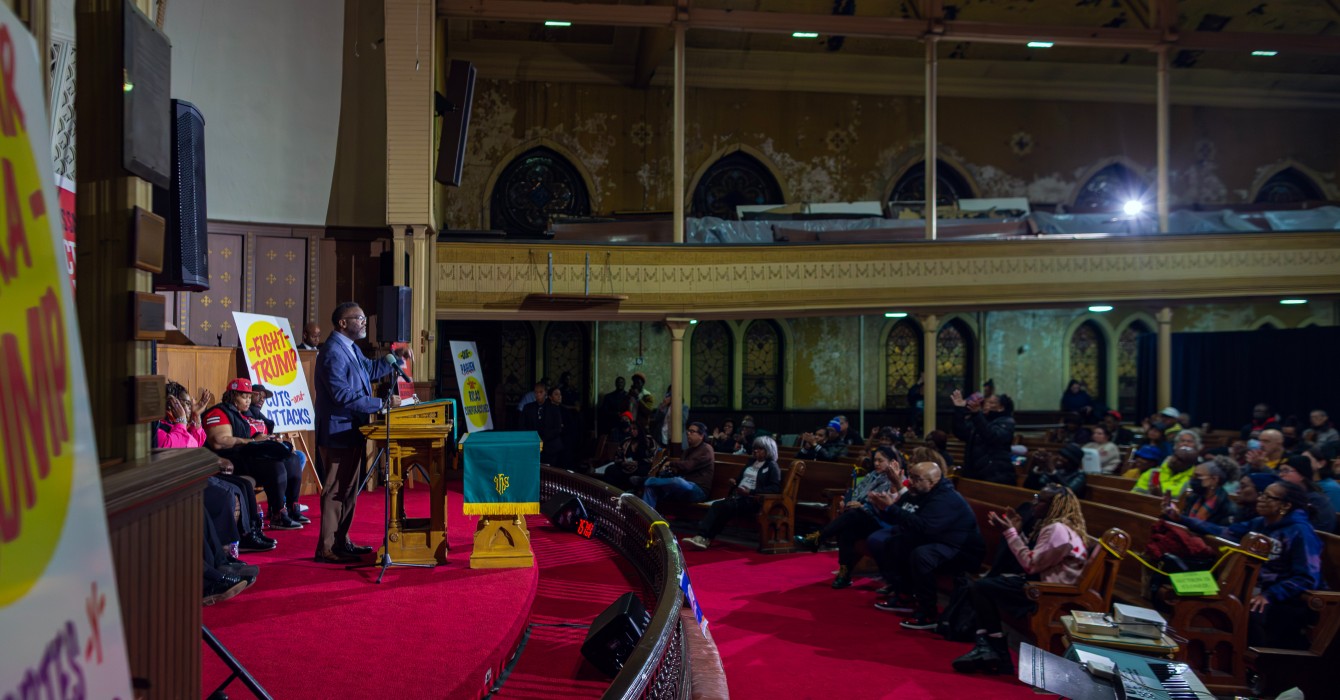

On Tuesday mornings, students from the University of Texas Medical Branch (UTMB) gather alongside faculty, doctors, researchers, counselors, peer coaches and social workers, upstairs at Galveston Central Church.
Starting the day with a huddle provides time for instruction, introductions, setting intentions and asking questions.
The Rev. Michael Gienger, the church’s co-pastor, makes a point to regularly attend.
“From the bottom of my heart, thank you for being here,” he said at the start of a recent session. “This is a special place.”
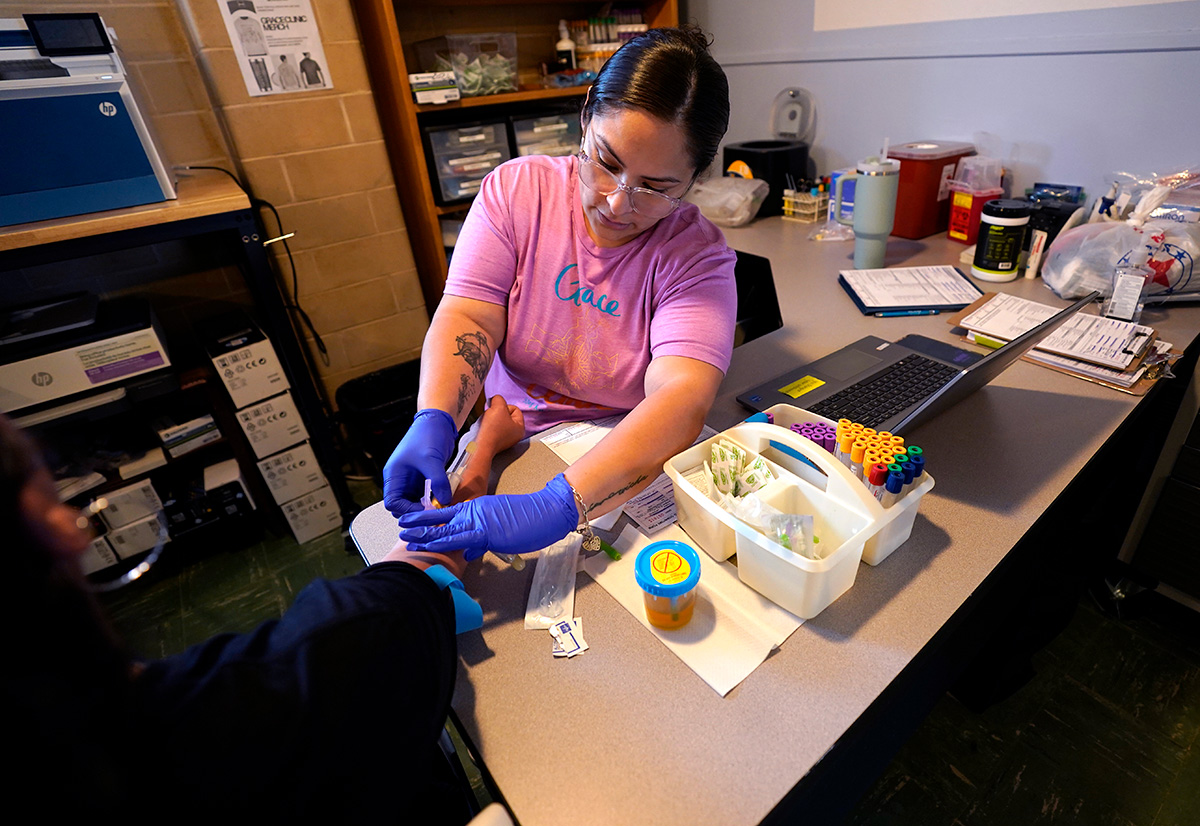
He explained that the patients in the waiting room — uninsured or underinsured, some unhoused, all struggling with substance use disorder — are “family to me.” Many have been coming to the church for other resources for years.
This space, once a Sunday school wing, now transformed into the Substance Use Disorder (SUD) Clinic, challenges traditional notions of treatment in many ways.
“We flip it on its head,” Gienger said.
Patients receive grant-funded, medication-assisted treatments for free. Walk-ins are welcome.
“‘Grace wins’ is our motto here,” he said. “And what you’re doing is so life-changing for our folks.”
Then, Dr. Miles Farr, UTMB’s assistant provost of community engagement and education and associate program director for the internal medicine residency program, asked for a moment of reflection.
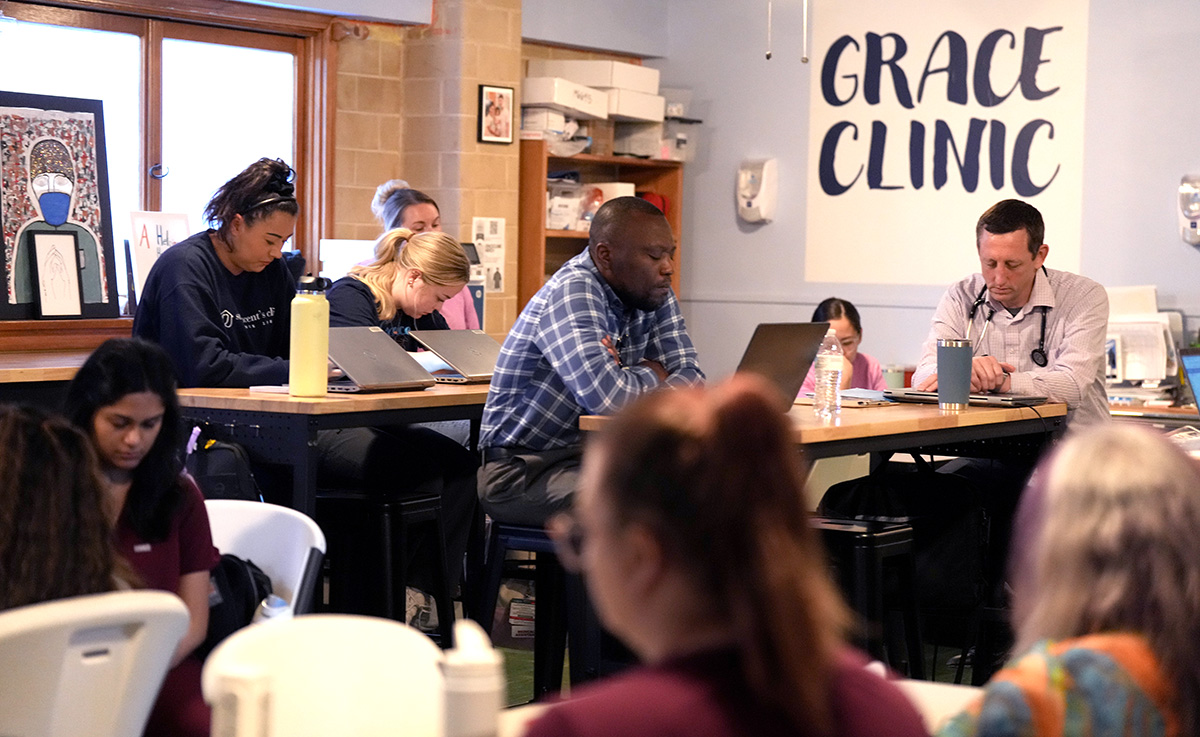
“Take a minute and think about, ‘How can I help someone today?’ Get yourself in that mindset,” he said.
After a moment of stillness, each person sprang into action, all assuming a part in a smooth-running medical team.
“There’s no reason to be bored here,” Farr said, and the work began.
On average, about 20 patients are seen at the SUD Clinic, which operates from 8 a.m. to 11 a.m. each Tuesday. Because the team includes experts from different fields, patients can see a doctor, then a counselor, an occupational therapist or a social worker for other concerns.
Downstairs the church provides a variety of services, from a hot meal to repairing a flat bike tire.
Do people in your organization start their day collectively? What sets the tone?
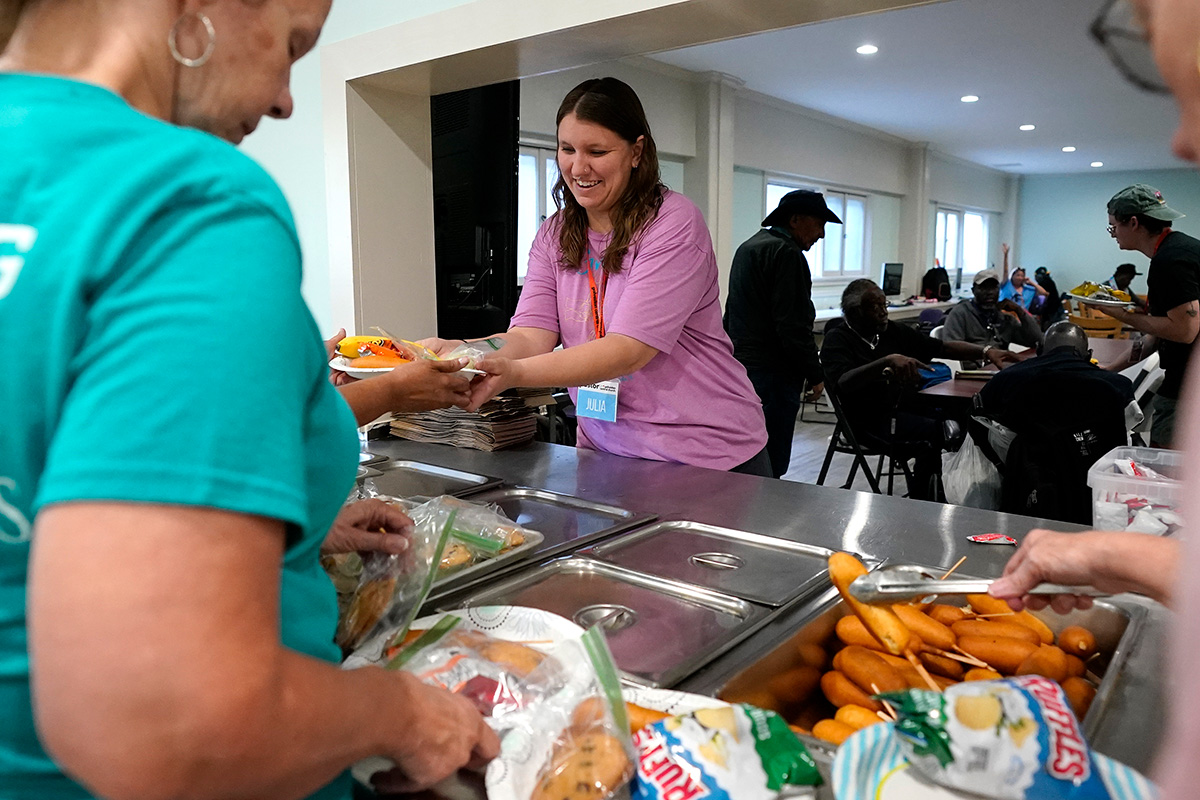
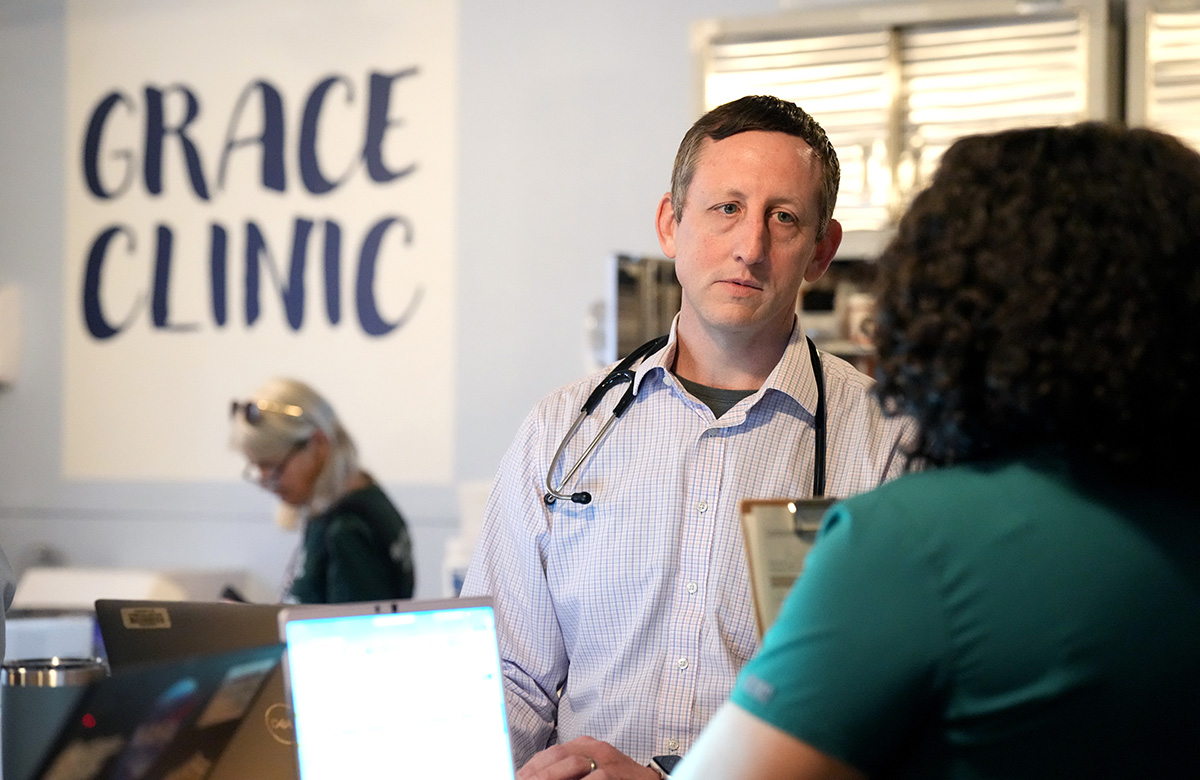
Farr said that because Galveston Central has worked with the unhoused community for years, it already has earned trust, which transfers to the SUD Clinic.
“The barrier to entry is really low,” he said. “That’s not true of most clinics. It’s, ‘Do you have insurance? Do you have an appointment?’ Here, anyone can walk in. It’s easier for patients to make a first step.”
Major transformations have already occurred — patients who are now sober and housed. But conquering substance abuse takes years, Farr said. Setbacks and relapses happen. Just showing up takes courage; helping someone start along that path is a measure of success.
What matters most is creating a space where individuals feel comfortable returning, however long their recovery takes.
In what ways does your organization work to gain trust within and outside its doors?
Compassion and care
The compassion offered at SUD Clinic makes Shelby’s 30-minute drive worth the effort.
“I’ve gotten dirty looks from doctors before, but they don’t do that here,” she said. “They’re educated, and they realize addiction is a disease, that people need help.”
Shelby and other clients asked to be identified only by first name.
She is prescribed Suboxone, a medication that reduces cravings and withdrawal symptoms, as well as the risk of fatal overdoses in the case of a relapse. Previous attempts to overcome a fentanyl addiction brought Shelby to a pharmacy that quoted $400 monthly prescriptions. Another program offered the medication at $40 a month, but the location was dangerously close to her dealer’s house.
At the SUD Clinic, Shelby said, “I never pay a dollar.” That, along with the nonjudgmental environment, has helped her reach seven months of sobriety.
“This place saved me,” she said. “They genuinely want to help people from the bottom of their hearts.”
Lacey found the SUD Clinic after losing her insurance.
“I have to have my Suboxone to stay clean, or I could relapse,” she said.
Both Shelby and Lacey also receive treatment for mental health at the clinic. They do not have to make several appointments or see multiple doctors.
Lacey, now 60 days clean, finds strength heading to a church for treatment.
“I need my higher power to stay sober,” she said. “The pastor comes around to talk to everyone, and I think it’s very cool.”
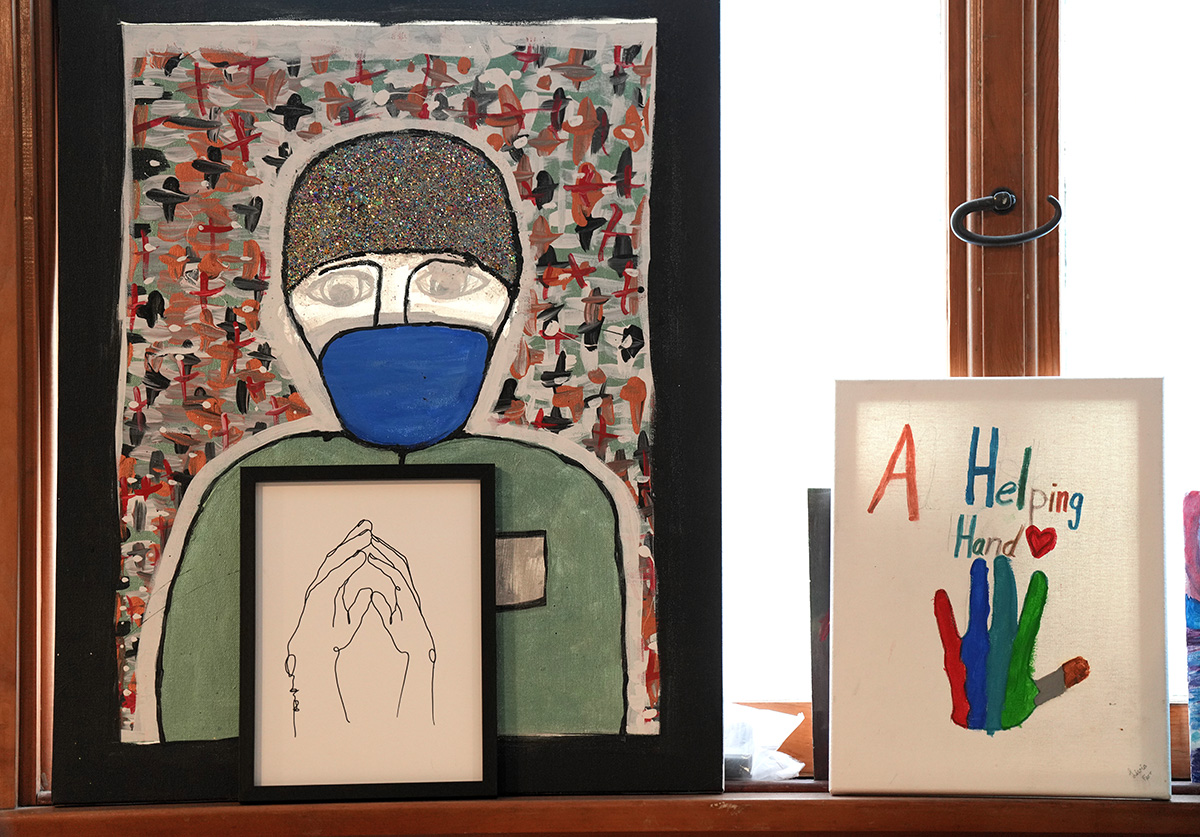
Angela, celebrating 14 months free from pain pills, considers the clinic a godsend.
“I wanted to get clean for so many years,” she said.
During one appointment, Farr recognized signs of kidney failure and rushed Angela to the hospital.
“Dr. Farr has saved my life twice,” Angela said.
Reevaluating a mission
In the sanctuary at Galveston Central, a United Methodist church in Texas’ Gulf Coast, traditional wooden pews are scattered among an array of colorful couches. Despite his nearly 12 years there, Gienger is still trying to set up an office. Instead, he has prioritized building showers, a laundry facility and a bicycle repair shop.
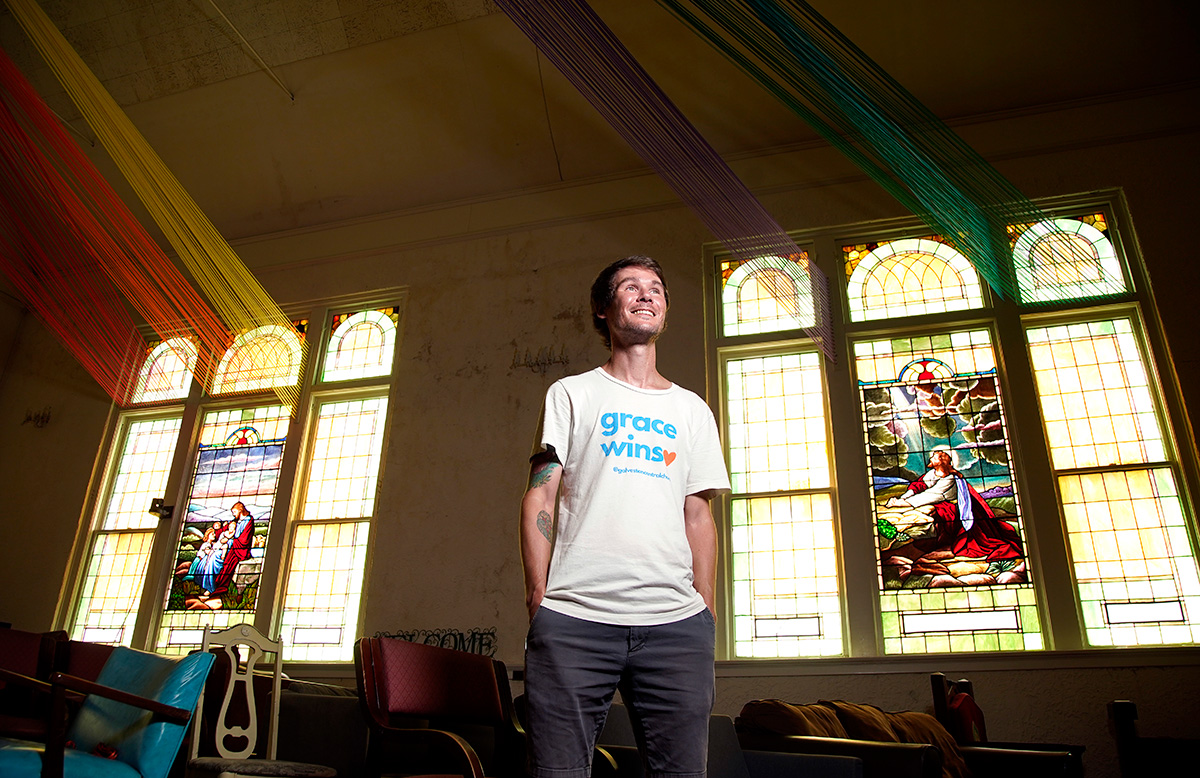
There’s a large area with fans blowing so people living on the streets can escape the heat. A commercial kitchen fills with volunteers three days a week to prepare meals. Other spaces are set aside for those in need of home goods, clothes or hygiene products.
Each program evolved organically in response to a need. The first to emerge was Peacemeals, a potluck held before worship and open to neighbors, housed or not.
These shared meals that initially attracted a handful of homeless people now bring in closer to 60 individuals on a Sunday. On Tuesdays and Thursdays, the church serves between 110 and 135 lunches.
What started with an administrative assistant taking home laundry for unhoused members is now a room with washers and dryers. What was once a makeshift shower has turned into five separate stalls with a changing area and towel racks.
Gienger arrived at Galveston Central in July 2014, his first position as pastor. He came with a small team and a plan to start a contemporary worship service.
“By September, we realized we were spinning our wheels,” Gienger said. “It was very clear that it wasn’t going to work.”
The church’s membership had declined prior to his appointment. He wondered, How do we pay attention to who is not here?
Some of the people missing from the pews were sleeping on the streets just outside the church. Gienger began to reevaluate the building’s use, reimagining how it could be more welcoming.
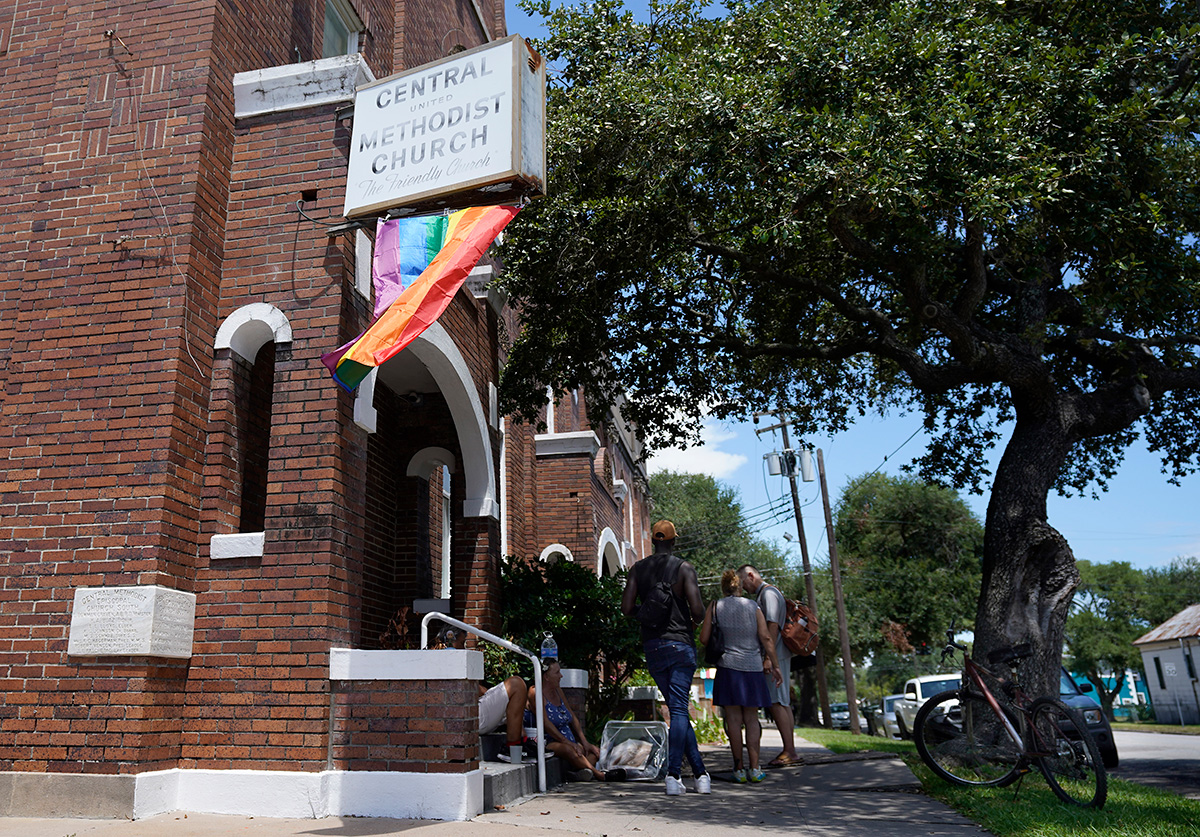
The pastor credits his high school youth group with laying a foundational belief in service.
“It was always hands and feet that mattered,” he said. “We can talk, but if we’re not taking action, we’re not doing it quite right.”
How does your organization set priorities? What does adapting them to meet changing needs look like?
He felt called to ministry in his teens, but his specific path solidified while earning his undergraduate degree in religion at Baylor University and joining with Church Under the Bridge.
“It was like, ‘You’ll be this particular type of pastor, one that helps people on the fringes,’” Gienger said.
That sense of duty was reinforced by a close reading of Scripture. “God always seems to show up where the poor are gathered,” he said.
The Rev. Julia Riley, co-pastor now for five years at Central, shares Gienger’s dedication to social justice.
She explained that the seeds were sown for the church’s medical clinic during the pandemic. Galveston’s Spanish-speaking and unhoused residents were struggling to access the COVID vaccine, then a 30-minute drive away and requiring an online form available only in English.
“It was not an accessible process,” Riley said. “And it was not conducive to a population who was already hesitant.”
Central partnered with UTMB to host a vaccine clinic at the church, which proved to be an aha moment.
“Part of what we learned was there’s a lot of mistrust for vulnerable populations in the health care system,” Riley said. “What if it was in a space where they already felt safe? And where the people already knew us and could ask us questions?”
Around that time, Gienger received an unexpected email from Farr, who had learned about Central from students. Farr also serves as medical director of the nonprofit St. Vincent’s Hope Clinics; that organization partners with UTMB to offer free, comprehensive health care to uninsured patients.
What does “doing it right” look like for you and your organization?
When the idea of hosting a satellite clinic for St. Vincent’s at the church materialized, Gienger had just the space in mind. The second story Sunday school space sat unused.
“It was no longer working for what was intended,” Gienger said. “And it was a perfect match.”
Lives changed
In the summer of 2021, Grace Clinic first opened as a pilot program, developed in collaboration with St. Vincent’s, Galveston Central and UTMB, offering primary medical care from 8 a.m. to 10 a.m. on Thursdays.
The university provided equipment, supplies, funding and staff. Faculty members developed a curriculum, a way to give medical students and residents experience in community health and treating vulnerable populations.
Once the program officially relaunched in January 2022 after some post-pilot tweaking, more services were added.
“It’s really remarkable what’s been happening upstairs,” Gienger said. “We’ve seen folks that have had their lives dramatically changed.”
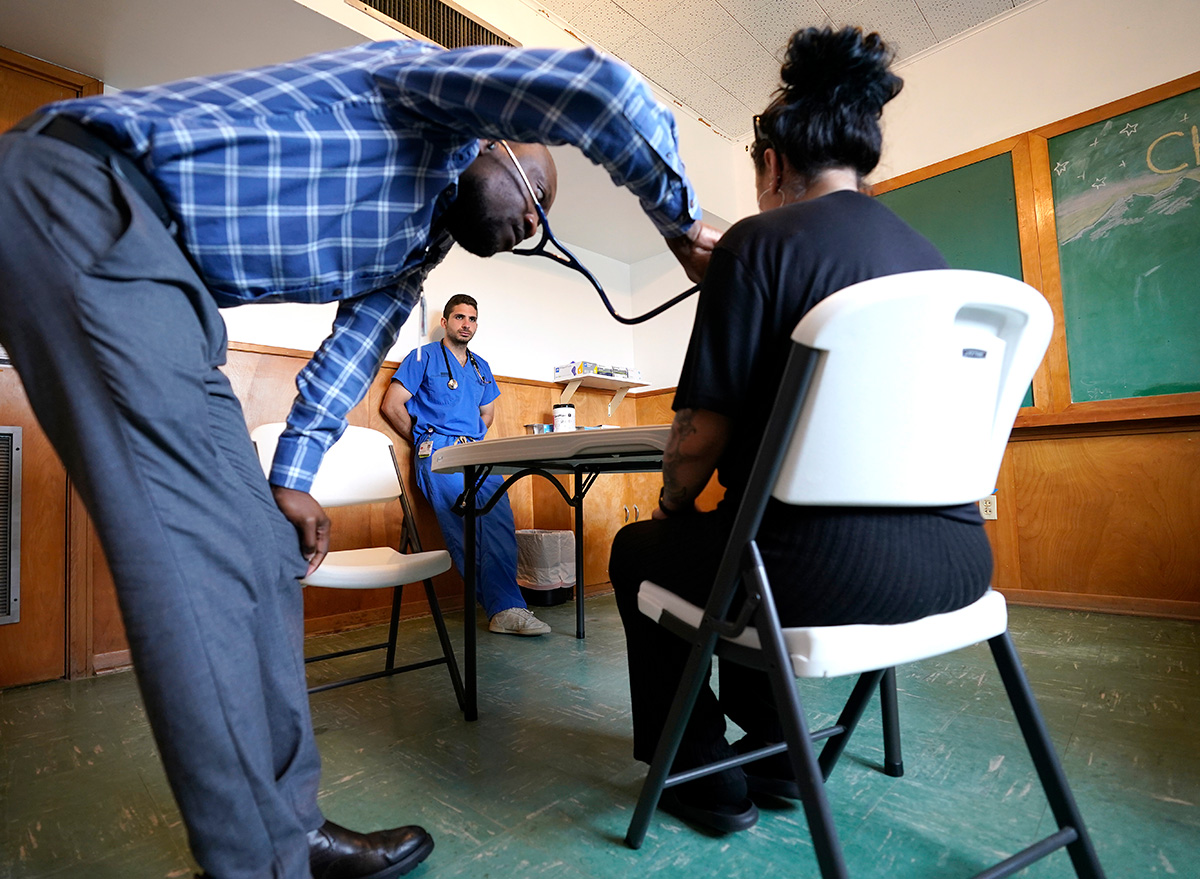
He spoke of a patient who lost his sight, then his job and finally his housing. Now, after obtaining corrective surgery through the clinic, he has a job as a hotel manager.
Another patient suffered a major injury in his teens. A botched surgery left him with a useless leg for decades. With medical care through Grace Clinic, Gienger said, “he’s walking, he’s housed and he’s about to get married.”
“There are these amazing stories about people getting help functioning and getting back to living,” the pastor added. “But the need is so great to do more. That has always been there.”
What quickly became apparent was that treating addiction required more attention.
In 2023, the local newspaper reported that Galveston County had the second highest death rate by drug overdose in Texas. About 200 per 100,000 people were dying.
The concern has weighed on professor of pharmacology Dr. Kathryn Cunningham for decades. She serves as the director of UTMB’s Center for Addiction Sciences and Therapeutics (CAST) and vice chair of the Department of Pharmacology and Toxicology.
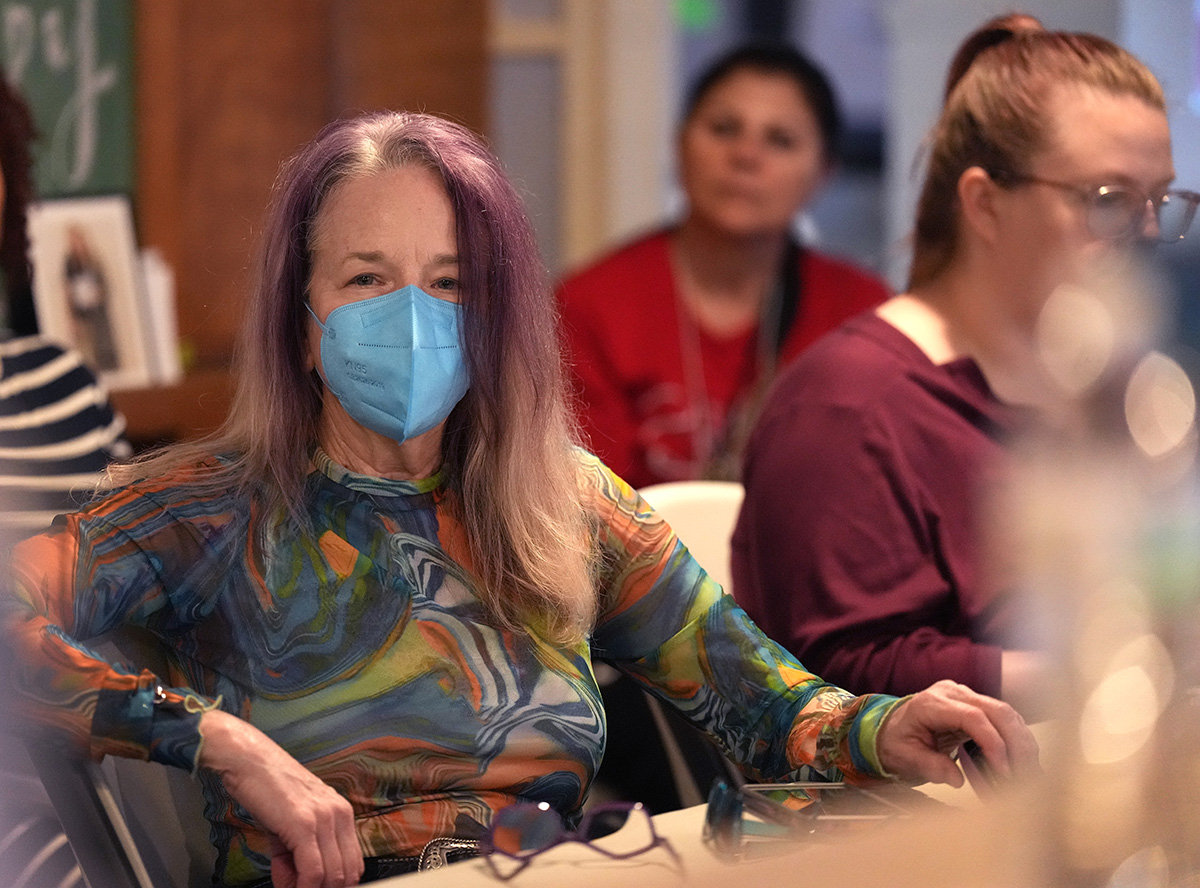
Individuals facing addiction had few options in Galveston.
“There was really nowhere to go except the ER, and that’s the most expensive care you can imagine,” Cunningham said.
In the emergency department, those with substance use disorder often get help for pressing medical needs but rarely receive follow-up treatment for their addictions, she said. For 25 years, she wanted to change the equation but often felt like a lone wolf. Then she met Farr, who introduced her to Gienger.
Their brainstorming led to the idea of expanding the clinic and adding a new day focused solely on addiction. Because of the success of Grace Clinic, the pastor was confident in the ability to provide nonjudgmental care, which would become even more critical in treating addiction.
“That was a nonnegotiable to me,” Gienger said. “It had to be an open, hospitable space. We are not going to shame people. We know that relapse is part of the process.”
What are some unexpected collaborations that you might seek out?
Sustainability was also key. Funding was obtained through the Galveston Safety against Fentanyl Emergency (G-SAFE) Program, an initiative to expand treatment on the island. Developing a referral system with the hospital was another top priority. Mary Beth Treviño, program manager in CAST, took charge, contacting uninsured patients after ER visits and inviting them to Galveston Central.
Moments of triumph
When the SUD Clinic opened in December 2023, Dr. Carlos Dostal was among the ranks. He recalls how impressed he was that first Tuesday by all the different groups represented, including local nonprofits Gulf Coast Center and Family Service Center.
Only a few patients showed up the first day. “But every week, there was a trickle in of more and more people,” Dostal said. “Before we knew it, we were six months in, and we were busting at the seams.”
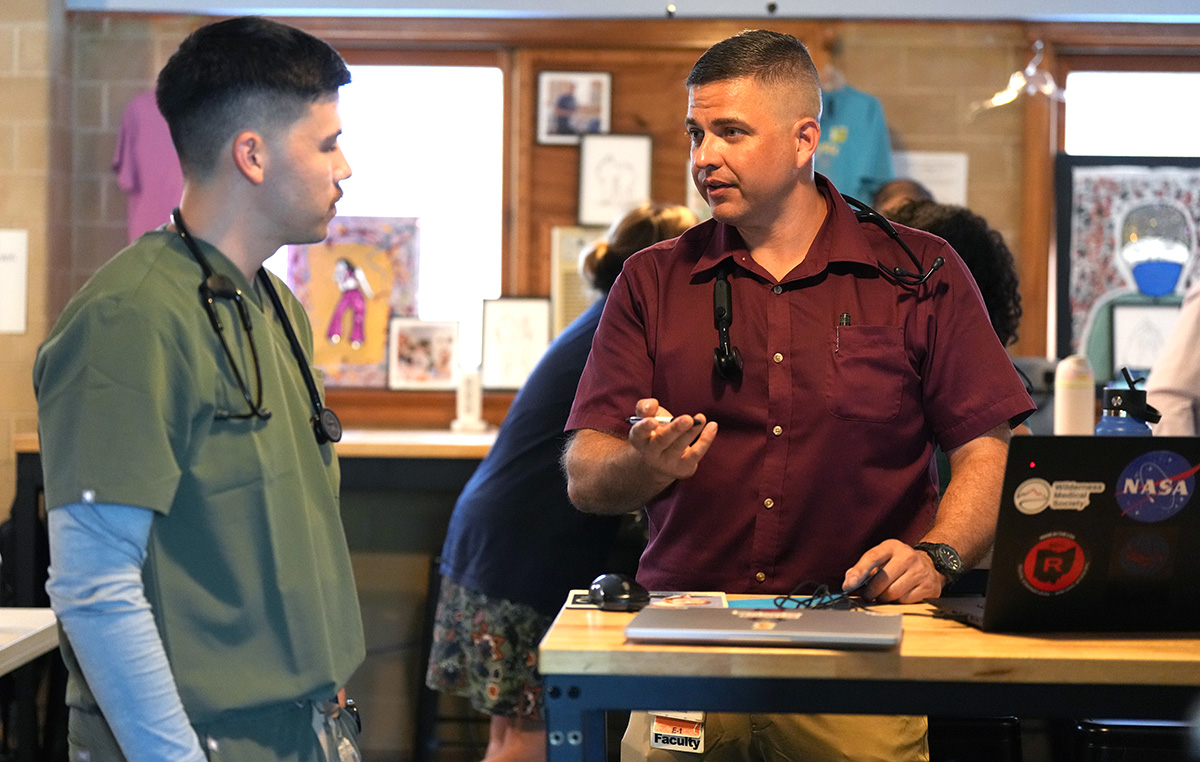
By design, there are no white coats or badges in the clinic, to ensure patients are more comfortable, Cunningham said.
“It’s such an ordinary space,” she said. “It doesn’t feel like a clinic with white walls.”
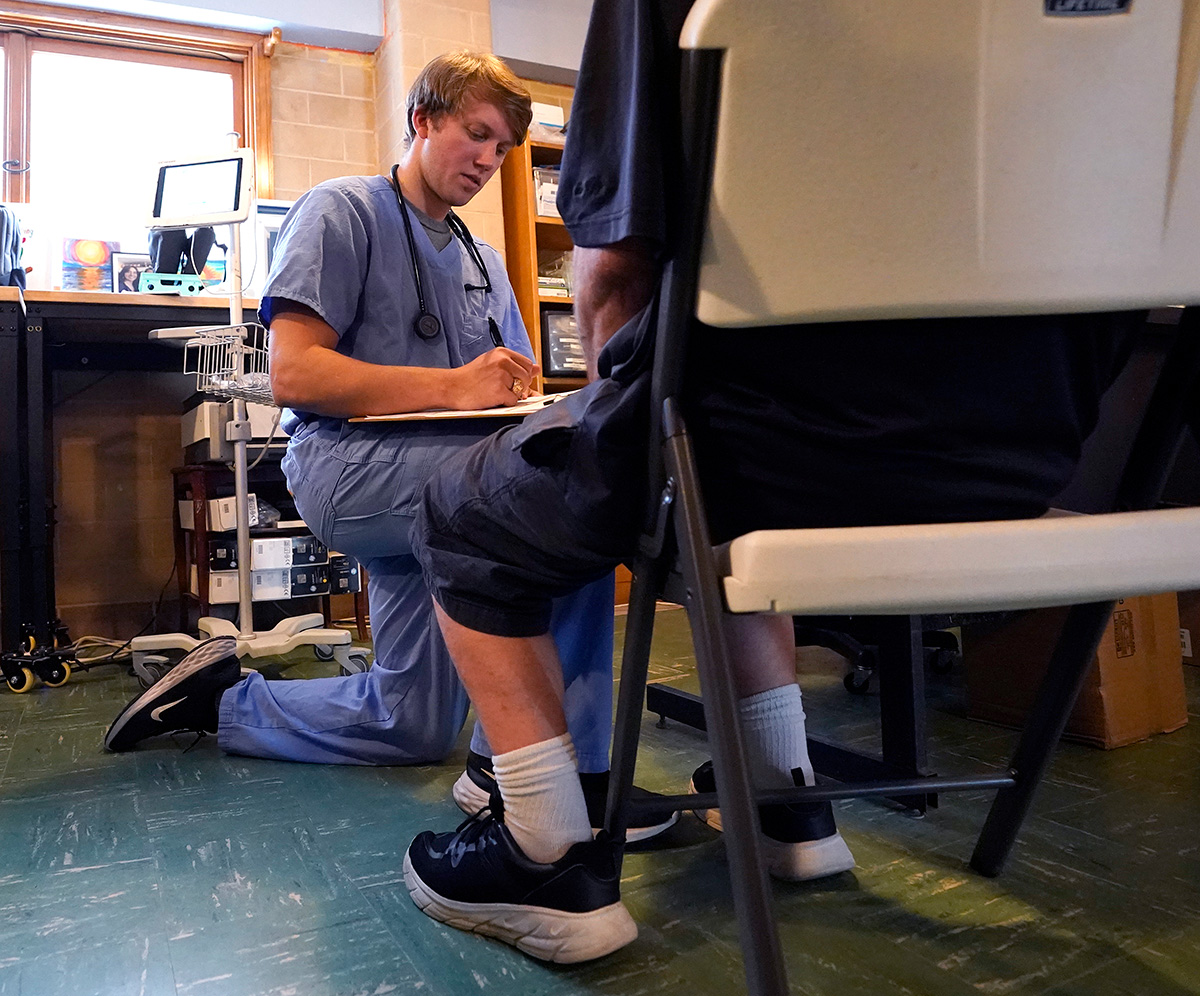
And unlike clinics, where doctors have only 15 minutes to visit with patients, medical students here can take their time during appointments. Gaining deeper insight into patients’ stories helps practitioners look beyond the stigma.
Instead of working in a specialist’s clinic, these UTMB students practice side-by-side with a variety of caregivers.
“It’s a unique opportunity to be part of an interprofessional team,” Farr said.
Student Lucy Nasser earned credits at the clinic in the past and returned this year as a volunteer. The experience clarified her career path, pushing her to continue work in substance use, with a focus on psychology.
“If you can talk to people on the worst day of their lives, you can talk to anyone,” she said.
For Cunningham, positive feedback from students coupled with patient stories of recovery point to the clinic’s success.
What are your organization’s nonnegotiables?
As part of a G-SAFE project, she is collecting data to evaluate outcomes from the clinic, such as whether the program reduces emergency department visits and hospitalization, as well as whether patients show reduced substance use, improved moods and better quality of life.
Still, numbers cannot tell the full story, when small moments of triumph count for so much.
“Isn’t it worth it if we have five people and change their lives and their family’s lives? Even one person would be worth it,” Farr said.
Riley said that help conquering substance addiction is essential. “It’s really hard to get sober by yourself,” she said. “And it’s really hard to get sober on the streets.”
Small but mighty
The clinic has affected lives in unexpected ways. Working there prompted Dostal to create a UTMB addiction education curriculum and to open two new programs for insured individuals struggling with substance use.
Allie Murphy, UTMB community education specialist, found her dream job at the clinic, checking in each patient. She’s also started her own ministry for Galveston’s unhoused population.
“I know God put me here,” she said. “A winning day is when the same person is still coming because they feel like they’re not being judged, like they’re getting help. It’s a win when they come back.”
And Izzak, a formerly unhoused man, found Central soon after Gienger arrived. Izzak was diagnosed and treated for cancer at Grace Clinic.
He struggled with heroin addiction for years. Suboxone helped him, but the key was facing unresolved trauma.
Now, he said his role is spreading the word about the SUD Clinic and leading by example. He hopes to eventually become a peer counselor.
“I’ve got skin in the game,” he said. “I’ve been in the streets. I know all about it.”
“Every time you reach out to help someone, that’s hope. And that’s what this place gives more than anything. It gives you someone to believe in you — and a chance to believe in yourself.”
For Gienger and Riley, the SUD Clinic has reinforced their belief that mental and physical health are part of spiritual well-being, that community partnerships are essential and that the congregation’s support is key.
The co-pastors talked about faithful risk-taking and the importance of continuing to listen, learn and evolve.
How do you measure both positive feedback and critique?
One of the main takeaways for Gienger involves real estate and the church.
“Property is one of the biggest assets we have right now,” he said. “So, how can we really expand what the definition of the church looks like? Why do we have these buildings used for one hour a week?”
“Sunday is the least interesting thing we do here. It’s nothing compared to what people are experiencing with the resurrection on Tuesday and Thursday,” Gienger said. “We’re small on a Sunday. The rest of the week, the impact of this church is pretty massive.”
What does faithful risk-taking look like in your context?
Questions to consider
- Do people in your organization start their day collectively? What sets the tone?
- In what ways does your organization work to gain trust within and outside its doors?
- How does your organization set priorities? What does adapting them to meet changing needs look like?
- What does “doing it right” look like for you and your organization?
- What are some unexpected collaborations that you might seek out?
- What are your organization’s nonnegotiables?
- How do you measure both positive feedback and critique?
- What does faithful risk-taking look like in your context?