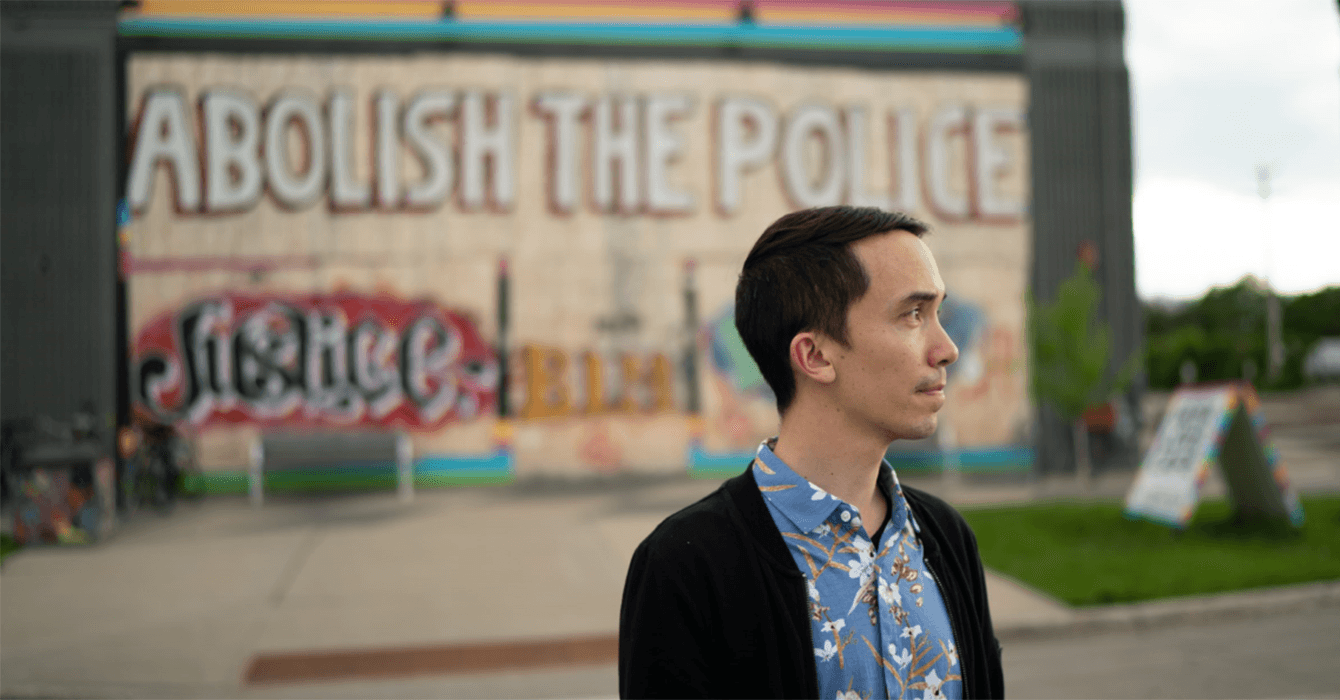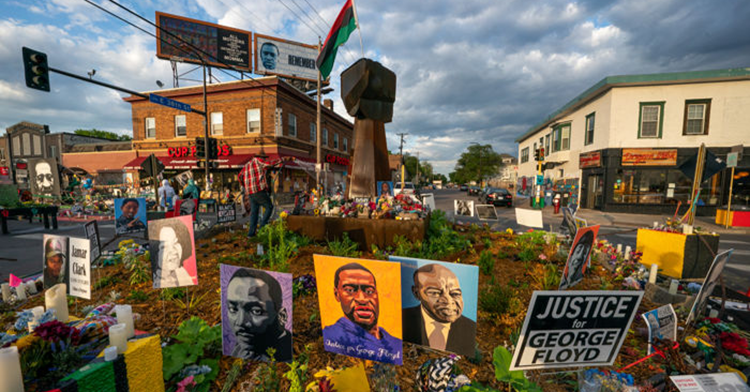

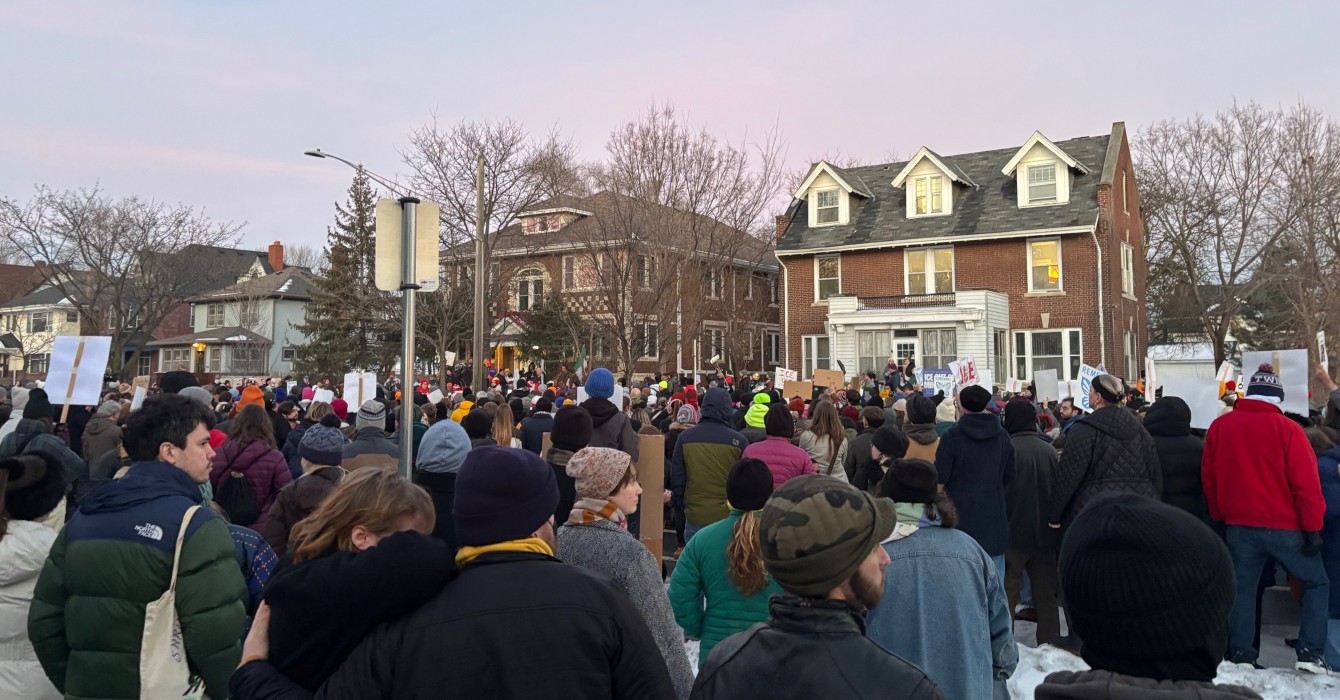
In separate horrific shootings, Renee Good and Alex Pretti were killed by federal agents in the neighborhood where I serve as pastor at New City Church. The intersection where an ICE officer shot Good three times is within walking distance of our South Minneapolis building. The air at that intersection smells like pepper spray and candles, and the stack of flowers at the memorial has grown by the day.
Good’s and Pretti’s deaths are part of an expanding litany of shocking incidents arising out of a federal effort called Operation Metro Surge — from a U.S. citizen and grandfather forced into subzero temperatures wearing only his underwear and his grandson’s blanket to federal agents employing increasingly bold intimidation tactics, including smashing car windows and pulling people from their vehicle.
Meanwhile, Minnesota Public Radio has reported that ICE is (somehow) accessing protestors’ personal data, greeting them by their names (which weren’t shared) and driving by their houses to take pictures.
As a United Methodist clergyperson, I believe Christians must respond to this surge in violence and intimidation with a public expression of faith. Quiet prayer alone is insufficient.
In our city, faithful people are showing up in important ways with a surge of Christian witness. Roughly 100 pastors were arrested at the Minneapolis airport, insisting that Christ compels us to love our neighbors. Multifaith groups such as ISAIAH and MARCH, as well as denominational groups, are mobilizing hundreds of churches.
Despite temperatures 20 degrees below zero, 50,000 protestors recently filled the streets to demand an end to the federal immigration enforcement actions in our communities. Clergy collars and stoles, as well as signs with Bible quotes, were prevalent, while songs of praise and protest filled the air.
Christians must resist all forms of oppression against our neighbors. And, in this case, it’s essential that we do it explicitly as Christians. The federal focus on Minnesota has been sharpened by the presence of vulnerable people — beloved of God — who have made their homes here. We have the largest transgender population in the country, as well as large numbers of Hmong, Somali and many other racial and ethnic groups.
And, of course, Minnesota is where community organizers effectively launched an international racial reckoning in 2020 following the murder of George Floyd, and where the American Indian Movement started in 1968.
Right now, many perceive Christians as either apathetic or actively part of problem, as is the case with a Southern Baptist church in St. Paul whose pastoral team includes the leader of the local ICE field office. While Christians who are supportive of ICE have taken to social media, the relative silence of Christians opposed to ICE creates a vacuum.
Our aim, of course, is to be public, not performative. I’m not here to manipulate, pressure or impose beliefs on anyone. Rather, when we live our faith in observable ways — visible ways, audible ways, shareable ways — we deepen our own faith practice and shape public discourse in the process.
An (incomplete) list of how I have seen Christians practicing their faith in public includes the following:
- Gathering a team to serve as movement chaplains, who help people who witnessed injustices.
- Offering 3D printed whistles with the church’s name on them. Whistles are widely distributed to neighbors so that they can alert and gather observers when immigration officers are conducting a raid.
- Creating yard and protest signs with slogans like “Love Your Neighbor” or “God Loves Immigrants.” T-shirts as well!
- Hosting public “Know Your Rights” workshops, starting and ending with a welcome from the church.
- Amplifying the message of Christians speaking out about this, like Jean Carlos Diaz.
- Preparing buildings and facilities for community response. That means having spaces for food storage, use by community groups, etc. In my experience, modularity is key: spaces and infrastructure that can be adaptably rearranged.
- Launching a prayer group via text consisting of people who care about immigration. Since ICE has a plan to monitor social media, I recommend using a communication app with end-to-end encryption, such as Signal.
- Introducing ourselves to immigrant neighbors, immigrant-owned businesses or other immigrant-led congregations.
- Wearing church-branded items (for me, a winter cap with the church’s name) while monitoring school drop-offs and pick-ups (at the request of the school), since that is a time when parents and school staff are vulnerable.
- Preparing sermons and social media posts that go beyond simply countering the talking points of ICE proponents. Constructive messaging creates an imagination for what’s possible, rather than simply entrenching the existing terms of engagement.
As in 1968 and 2020, Minneapolis is providing examples for organized response to systemic oppression. May your community stay safe, and may your faith be public. May it be so!