“I don’t know what else we can do.”
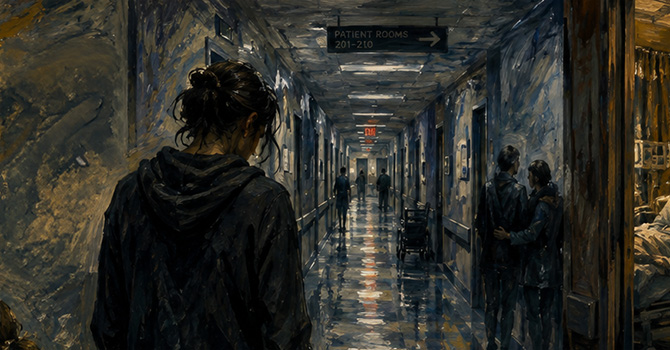
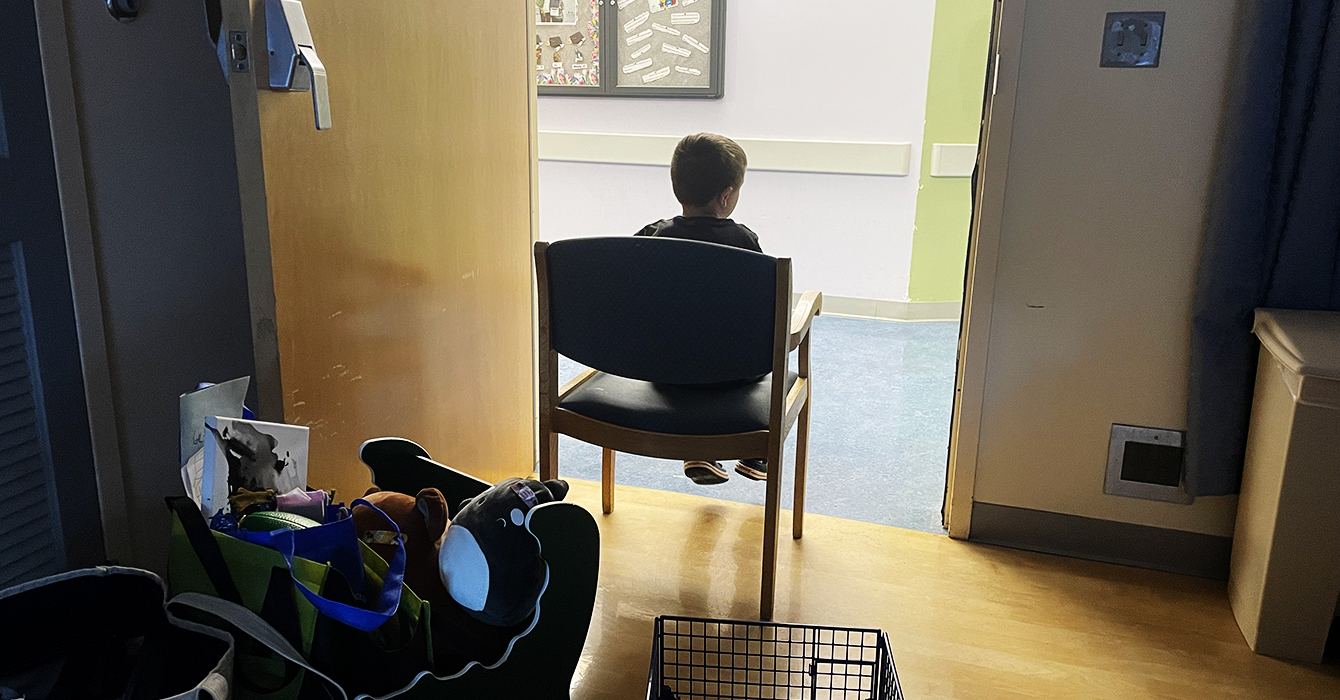
My son’s urologist, renowned for being the best in the area, sat next to me as he patted my hand. Across from us, my 6-year-old lay frail and quiet in the small hospital cot. What had been a routine procedure to alleviate fluid around his kidney had gone awry, and two additional surgeries in subsequent weeks had only made his condition worse.
I was 32 weeks pregnant, barely sleeping and overwhelmed with choking fear. Everyone in our family and church was praying relentlessly for his recovery, but nothing was happening. Now the doctors were discussing an external drainage bag stapled to his side to help his kidney function in the future.
Then, before his next procedure, an ultrasound revealed something unexpected.
“Am I looking at the same kidney I saw yesterday?” the technician said. She had gotten to know us on a first-name basis. She and I stared at the screen, then at each other. The leaks, the swelling, the fluid: It was gone. My son’s voice broke the silence.
“What happened?”
Apparently, a miracle.
We were sent home the same afternoon, my hands still shaking on the steering wheel.
I have always believed in the power of miracles. As an ordained minister within a Pentecostal denomination, I prayed for miracles with friends who were struggling with cancer and incurable diseases. I knew what it was to hold grief-stricken families as they wept at funerals, asking me why God had not answered their prayers. If only a miracle had come, one person told me, everything would have been different. Everything would have been better.
Now a miracle had somehow come to my family. And everything, I thought, would be better.
And yet struggle and pain continued to follow us. Over the next few months, my gratitude and disbelief were punctured by moments of crippling anxiety. My son asked me why I kept staring at him. My escalating blood pressure landed me back in the hospital multiple times, where I delivered my third son three weeks early, wracked with guilt that I had somehow caused this to happen.
God had healed my son’s kidney. I believed it and knew it to be true. So why did I still feel so terrible?
Like the person I had spoken with at the funeral, I had also assumed miracles were supposed to make everything better. When God intervenes so powerfully in our lives, shouldn't celebration replace all fear?
My son had been physically healed, but I came to see that I needed healing too. I began to wonder whether I had expected the miracle to accomplish something Scripture never promised: that one act of healing would somehow fix everything in our lives.
The miracles of Jesus certainly relieve suffering. The blind see, the lame walk and the dead are raised. But the Gospels also describe these works as “signs” that point beyond the immediate healings to reveal who Jesus is and offer glimpses of God’s kingdom.
Through this experience, I've come to see a miracle as an unveiling of God’s sovereign power in a particular moment. It brings hope into a world marked by suffering, sickness and death and points toward the restoration God has promised. Even Lazarus, whom Jesus raised from the dead, would die again. My son’s kidney was healed but his body remains mortal; a day will come when he meets Jesus face to face.
As Christians, we live in this tension. We pray, as Jesus taught us, “Your kingdom come, Your will be done, on earth as it is in heaven.” We ask God to bring the healing and restoration of His kingdom into our present suffering while we also learn to trust His will when the healing we pray for does not come. Miracles can offer a preview of the kingdom of heaven, but we continually await the day death itself will finally be defeated.
In my Pentecostal tradition, divine healing is central to our faith and practice. I believe we should lead our congregations to pray boldly for miracles because God still intervenes and we should continue to ask. When miracles come, we should rejoice without reservation. My family did, and we still do.
But we must also remember to be humble in how we speak about healing; someone celebrating a miracle today may be sitting next to someone who prayed just as fervently and still lost their loved one. Our testimonies should always make room for both. Our theology should be spacious enough to hold both the miracle and the funeral.
And pastoral care should not end if miraculous healing does come. People may still carry fear, grief and other wounds long after the immediate crisis has passed. We need to continue walking faithfully alongside them, even after everyone else has moved on to celebrate.
Two years after my son’s healing, he needed a tonsillectomy. The surgeon assured us that the risk of complications was extremely low, yet I still asked him to walk me through every scenario. My son’s kidney was healed, but some fear from those terrible weeks in the hospital still lingered. While I am beyond grateful for his miracle, I still need God every day to heal the lingering trauma that experience caused our family.
God healed my son’s kidney in a moment, and I am still learning to trust Him with the wounds that remain. Until God’s kingdom comes in all fullness, we must learn to live between the healings we witness and the restoration we long for, trusting it will come, one glorious day.
God had healed my son’s kidney. I believed it and knew it to be true. So why did I still feel so terrible?