
I didn’t expect the ache to be so physical — the pull to stand barefoot again at the bend in the Guadalupe River where my story began. Not out of nostalgia, exactly. More like a homing instinct, somewhere between marrow and memory.
There are places that hold you long after you leave them. For me, that place is Kerr County, Texas. The Hill Country. I’m from Kerrville — right where the floods hit on the weekend of July 4. I grew up a stone’s throw from Camp Mystic, went to school in Ingram and claim Kerrville as the place I’m from.
It’s not just hometown pride. Though I now live in the UK, Kerr County is the headwaters of my life — the place that gave me faith, shaped my sense of belonging and whispered that my life was part of something bigger than myself.
Several years ago I was walking along the riverbank with a friend, talking about life and wounds and the things that form us and shape our work. She asked, “What do you know about dismemberment?” Without flinching, I said, “Leaving here was an act of dismemberment.” And it was. I didn’t just pack up and go. I severed something.
There’s no way to explain that to someone who didn’t grow up beside the Guadalupe. No way to articulate why I needed to eat at the Hunt Store – now destroyed – on my last visit like it was a pilgrimage. Why the vultures circling overhead don’t unsettle me, but comforted me — like old familiars, still keeping watch. I long to go back.
It’s where I first learned about community — not just the word, but the living thing. It was the place of my first belonging. And it’s not just me; who in Texas doesn’t have a memory somewhere along its bends? A baptism. A barbecue. A heartbreak. A day that tasted like forever.
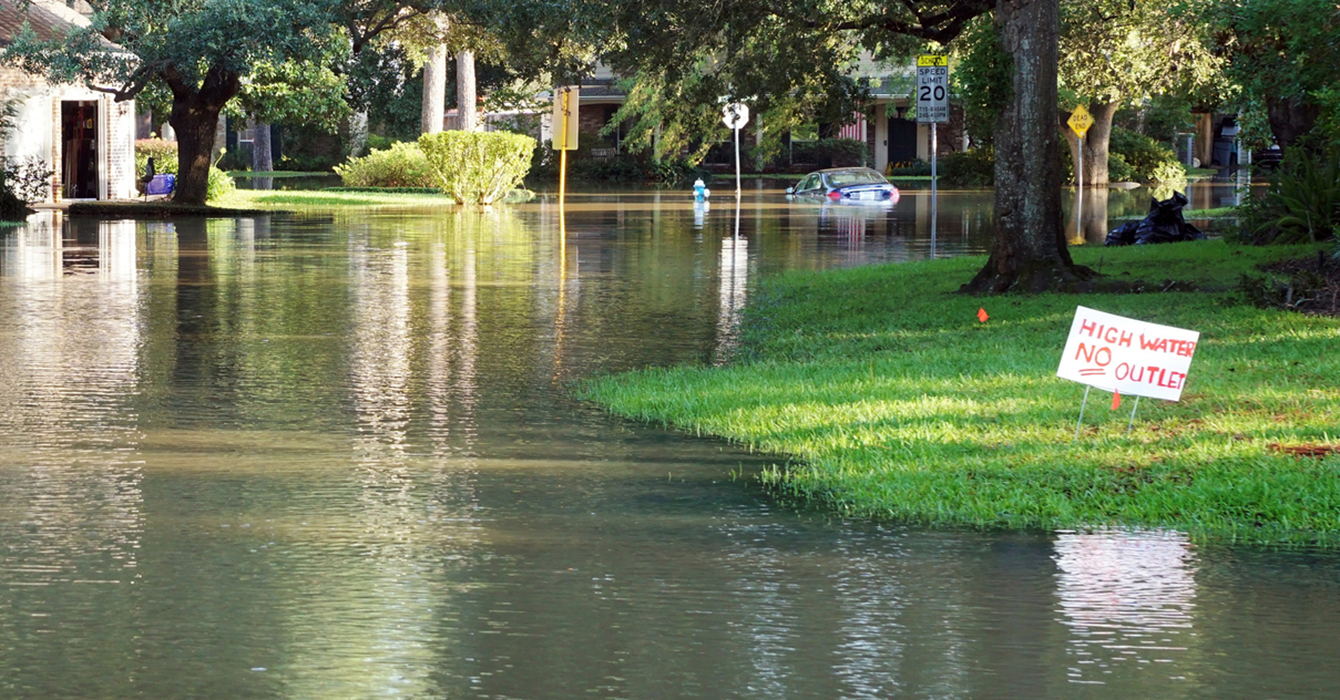
This summer, I watched from half a world away as that familiar river rose. The Guadalupe I knew — the one that shaped me — turned furious. Floodwaters swept through the canyon, ripping away fences, homes, bridges, entire lives and all the quiet certainties we held.
It’s one thing to understand, in theory, how quickly life can change. It’s another to watch it happen in real time. To see a place you love disappear under water. To realize that nothing you love is immune from devastation.
I’ve scrolled the news and called friends back home. I can’t clear the wreckage. But I can bear witness. I can speak of what mattered — and matters still.
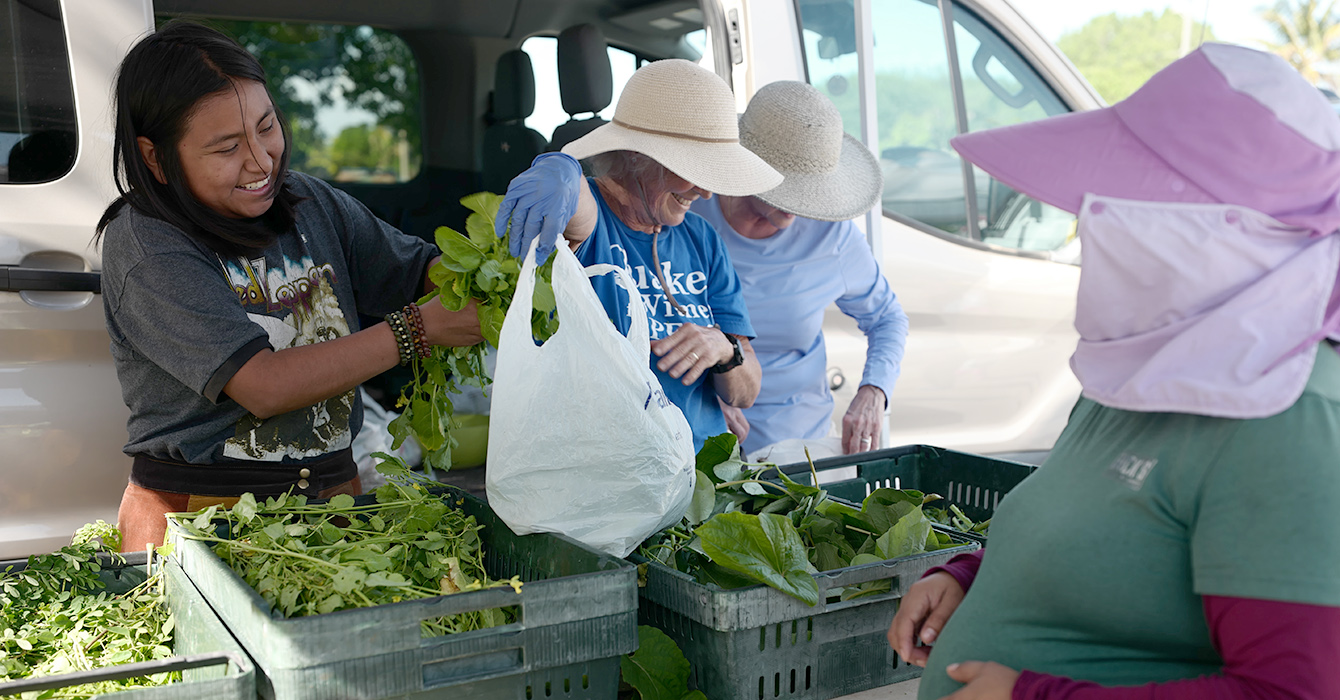
And from far away, I’ve also watched something remarkable unfold. The river rose up — and so did the helpers. An army of volunteers from far and wide. Neighbors helping neighbors. Strangers helping strangers. Moving vans and pickup trucks loaded with supplies arriving daily. Hands reaching out without even being asked. The very best of community has been rising alongside the grief.
Meg Wheatley calls these people “warriors of the human spirit” — those who resist despair and choose instead to build islands of sanity. When the world feels like it is falling apart, they are there in the midst of chaos and loss.
And still the work ahead is not simple. Because as the waters recede, another layer of truth is exposed. Rebuilding is never just about physical structures. It’s not just about clearing debris or repairing roads. It’s about asking the harder questions.
Who was already vulnerable before the storm? Whose homes were always on uneven ground? What needs to change before another disaster strikes? And if those questions aren’t addressed, can healing truly come?
Natural disasters reveal what was already fragile. They show us where the cracks were — socially, economically, spiritually. They don’t just flood the land; they expose the fault lines. That’s the work of recovery too: not just rebuilding what was, but asking what needs to be made new.
We all know that the news cycle will move on. Disaster will strike the next place — because that’s the world we live in now. But in Kerr County, the cleanup isn’t even close to over. The economic ripple effects are just beginning. And the long road of recovery will outlast the headlines by years.
Will the river return to the river I know, where cypress trees bow like elders at prayer and river rocks hold the stories of barefoot summers and borrowed time?
It is going to take all of us, near and far. Could this moment — somehow — be a chance to do more than rebuild? Could it be a moment for systemic repair? For deeper questions about equity, resilience and wholeness?
I don’t know. But I do know this: real recovery is about people. People who choose to stay in hard places, to bear witness, to do the quiet, daily work of repair.
There’s a verse in Isaiah that says: “I will open rivers in high places, and fountains in the midst of the valleys. I will make the wilderness a pool of water, and the dry land springs of water” (Isaiah 41:18 KJV).
That Scripture always felt literal to me. This land — nearly desert in places — gave forth water in the wild. Faith, for me, is not just belief in provision. It’s rooted in the land that taught me to expect it. And I have faith that the God who rose from death will be with us in the work ahead.
If you would like to support the efforts in the community, please consider giving to the Community Foundation of the Texas Hill Country.
Will the river return to the river I know, where cypress trees bow like elders at prayer and river rocks hold the stories of barefoot summers and borrowed time?