
We can be so easily captivated by spectacle, by a reality TV version of life that tips toward drama and rage rather than the slow work of community. It feels rare to empathize with something in the public sphere for its simplicity and authenticity.
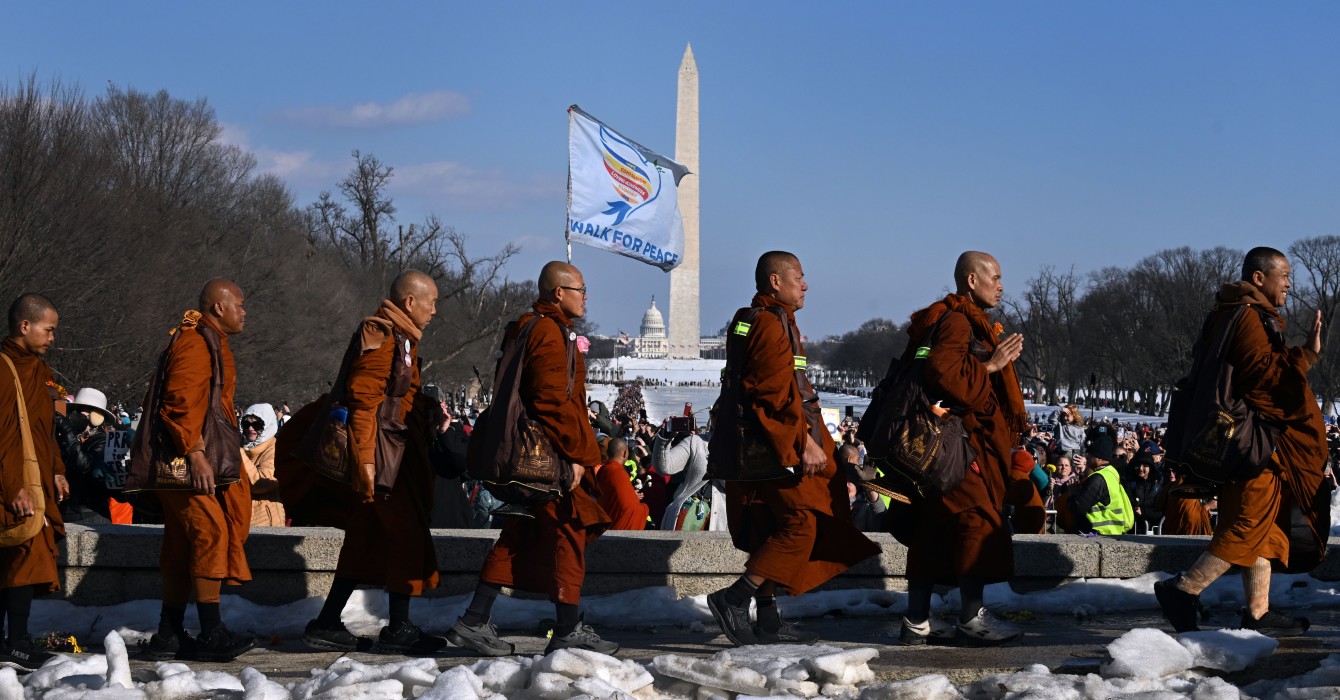
Then 19 Buddhist monks walked for peace. Setting out from Texas last October, their robes the colors of the fall season they sojourned into, they headed out on sometimes-bare feet. Their goal over the 108-day, 2,300-mile journey to Washington, D.C., was to help those along the way unlock a place of peace within themselves.
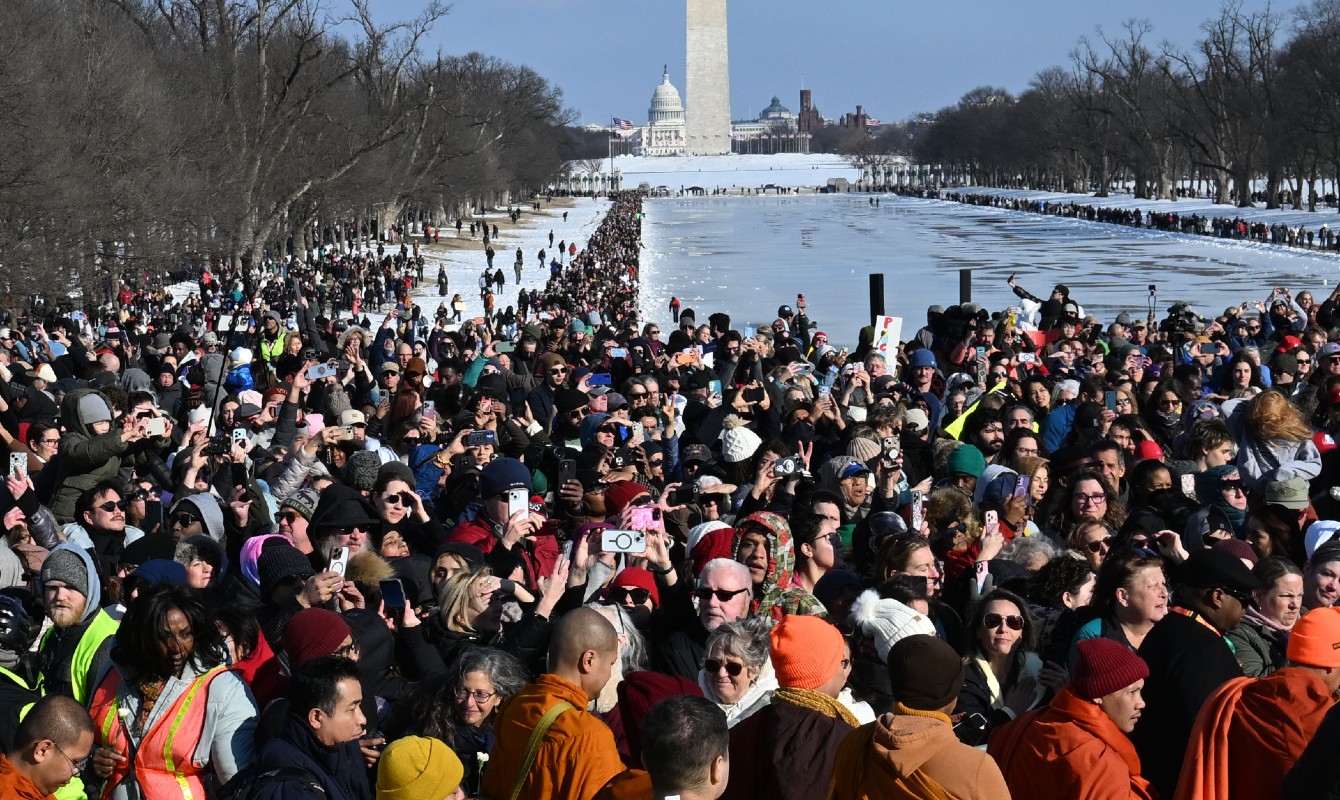
From Fort Worth’s Huong Dao Vipassana Bhavana Center, they made their way through small towns and big cities, attracting ever larger crowds. People of great faith and of no faith and of all the ombre shadings of the religious in-betweens gathered to crowdsource hope like it was a spiritual GoFundMe, seemingly fascinated by the idea of these holy men acting for others with humility.
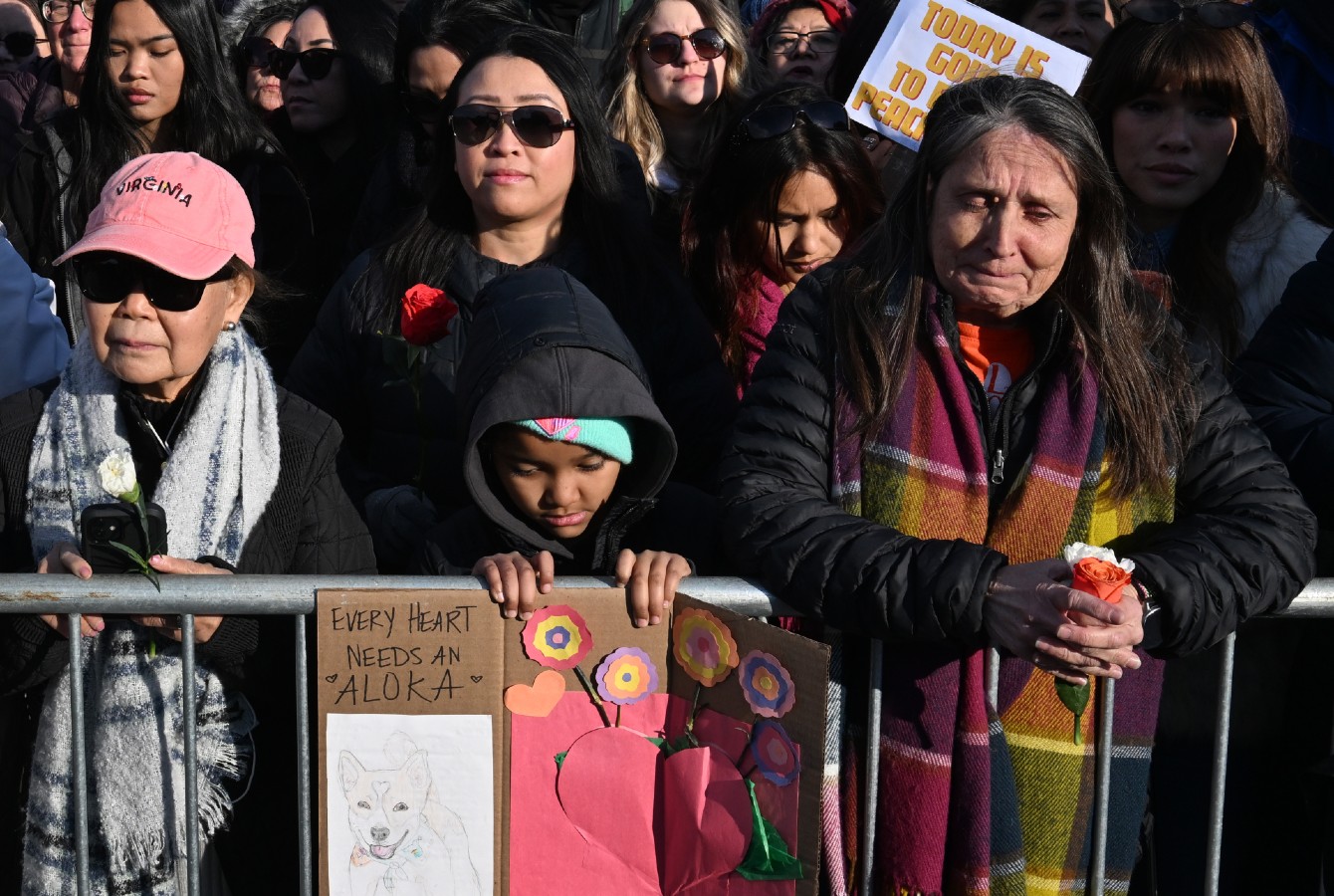
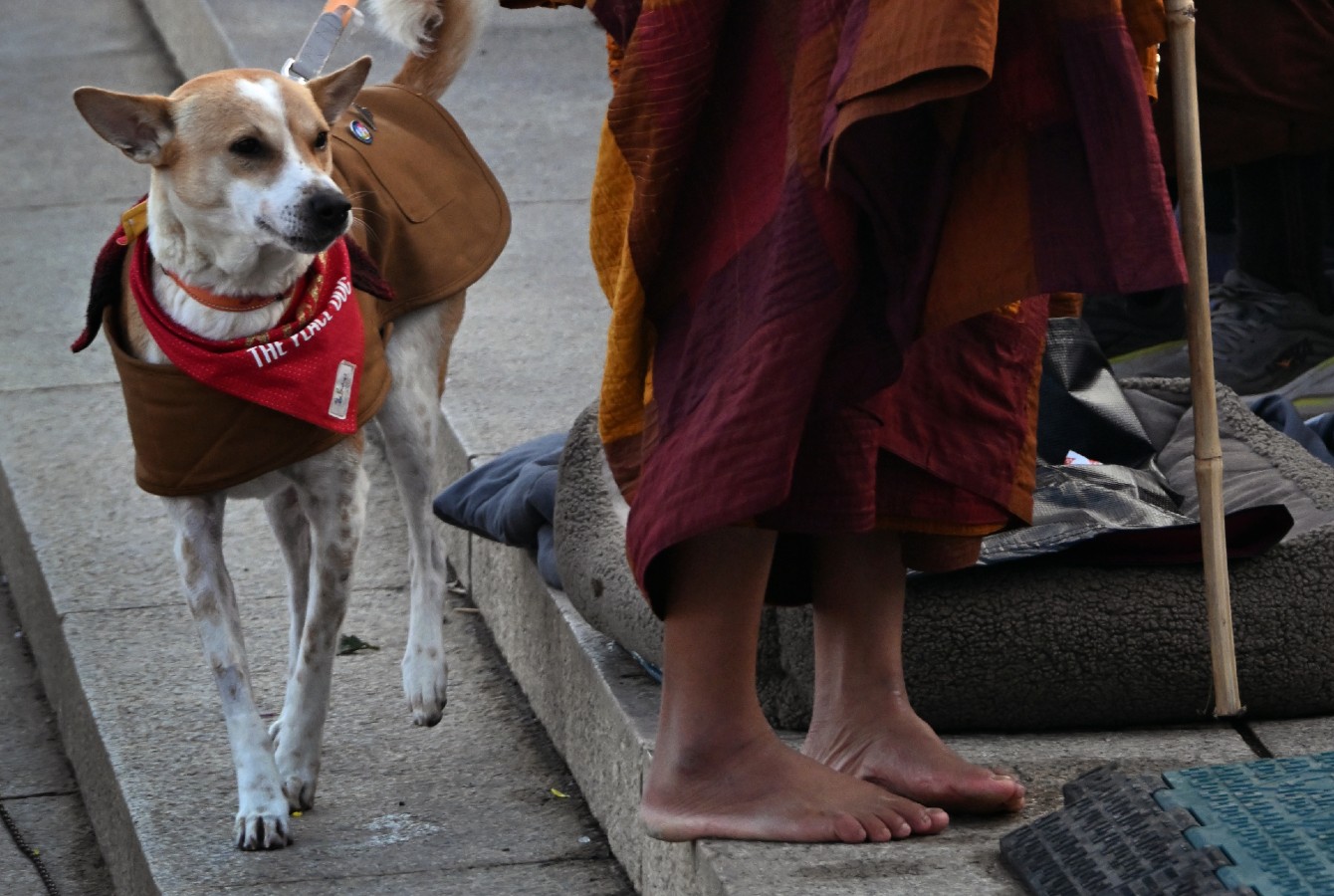
The monks slept on floors, fed and tended by volunteers. One of them was severely injured early on, resulting in the amputation of a leg before he rejoined the group later. Their dog, Aloka, became a superstar in his own right.
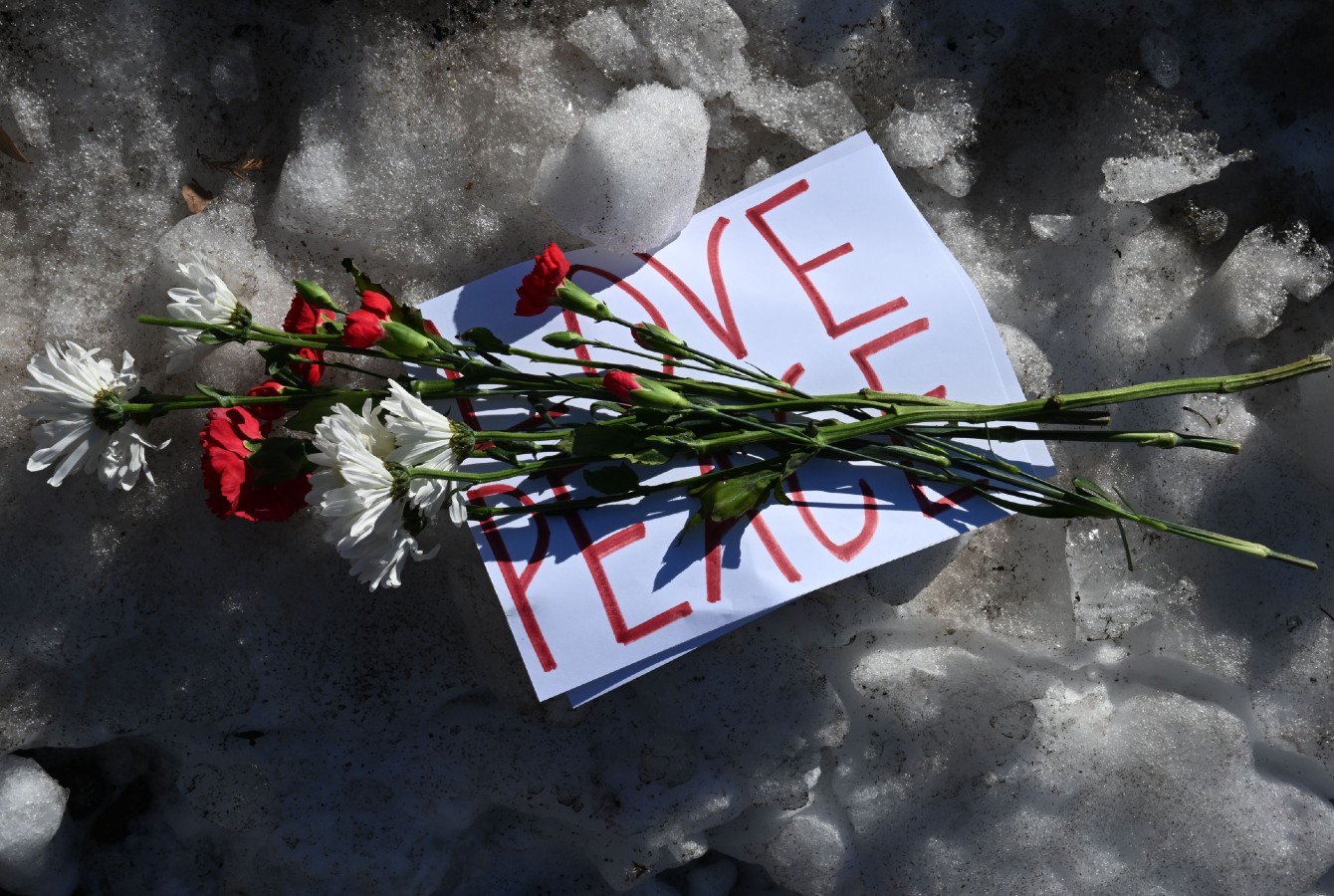
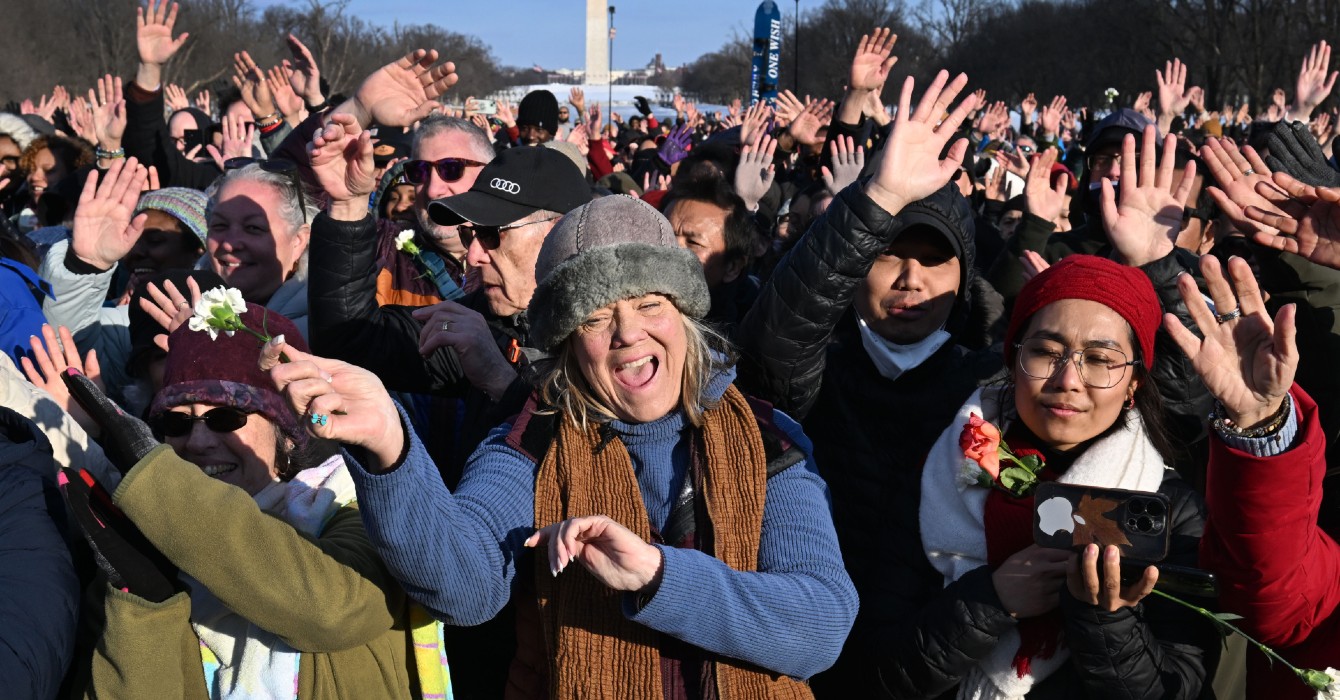
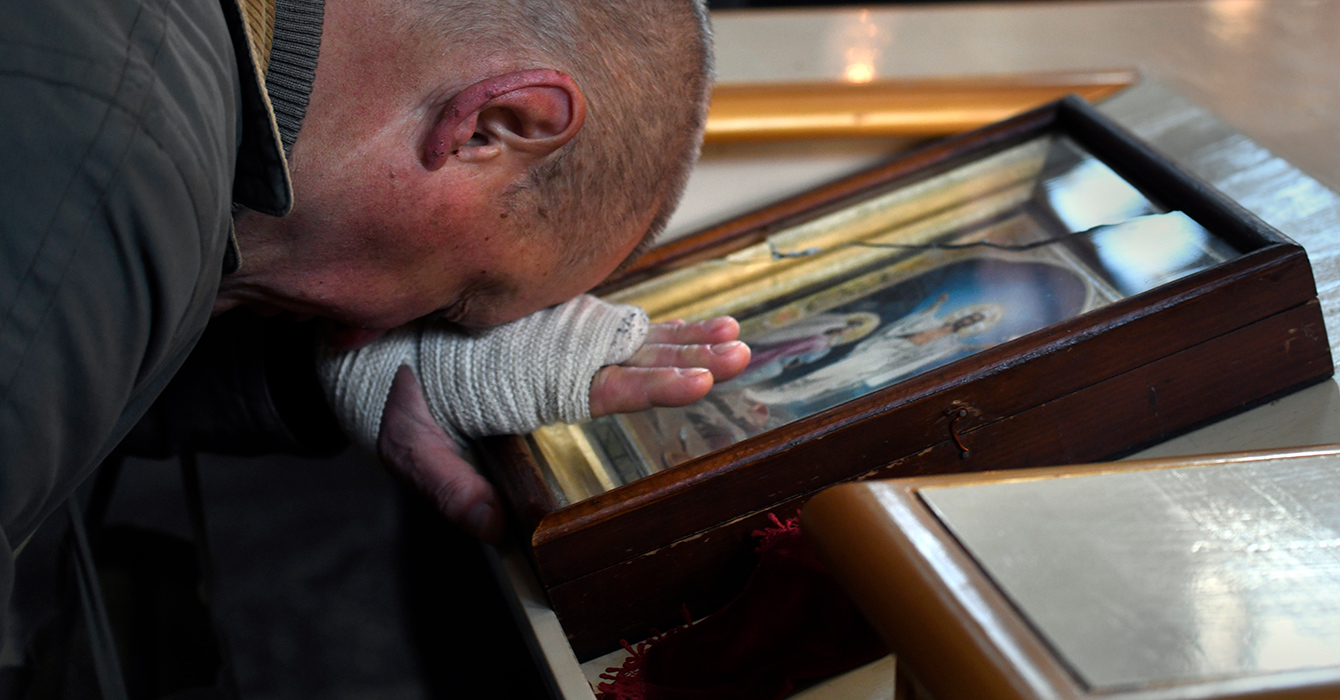
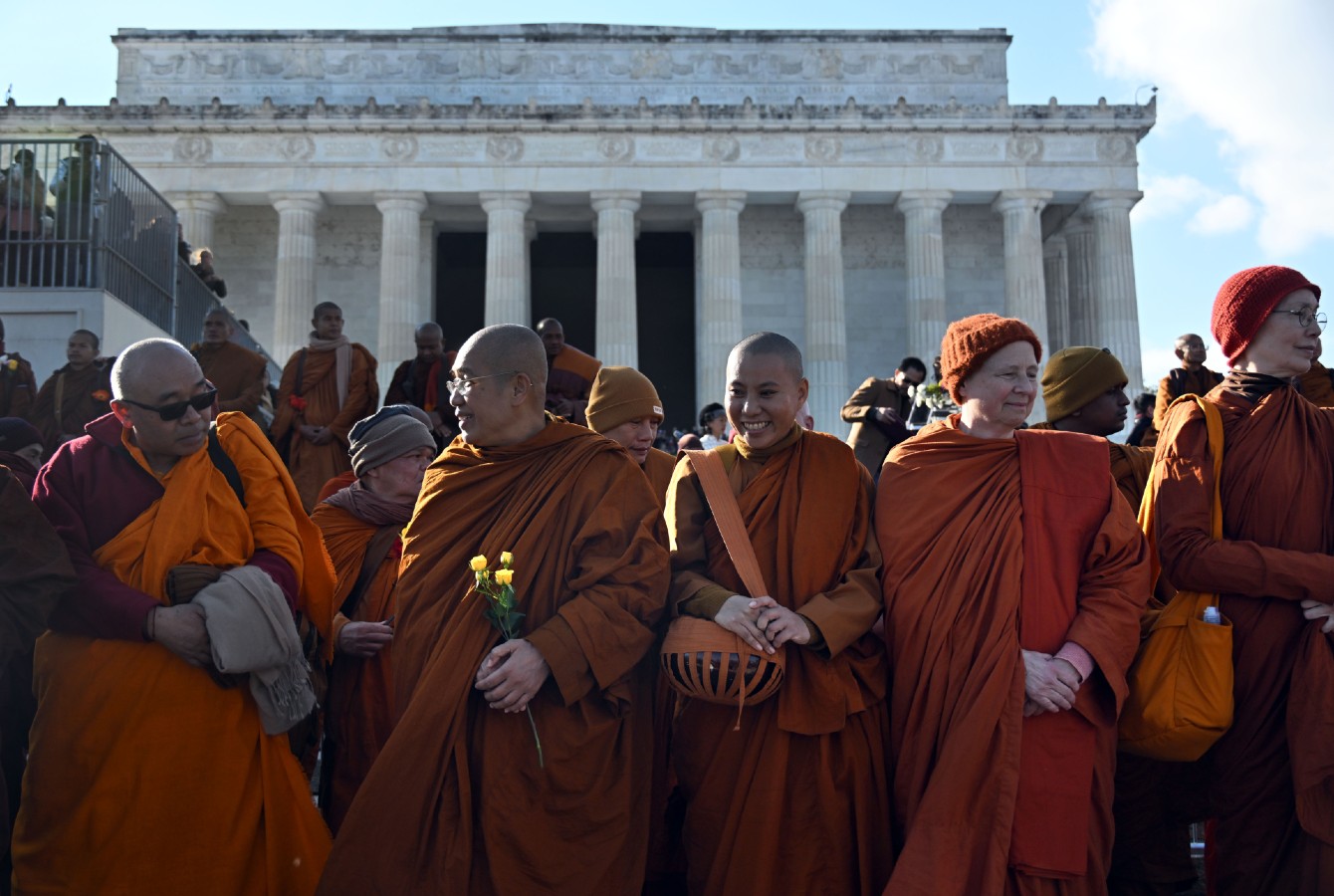
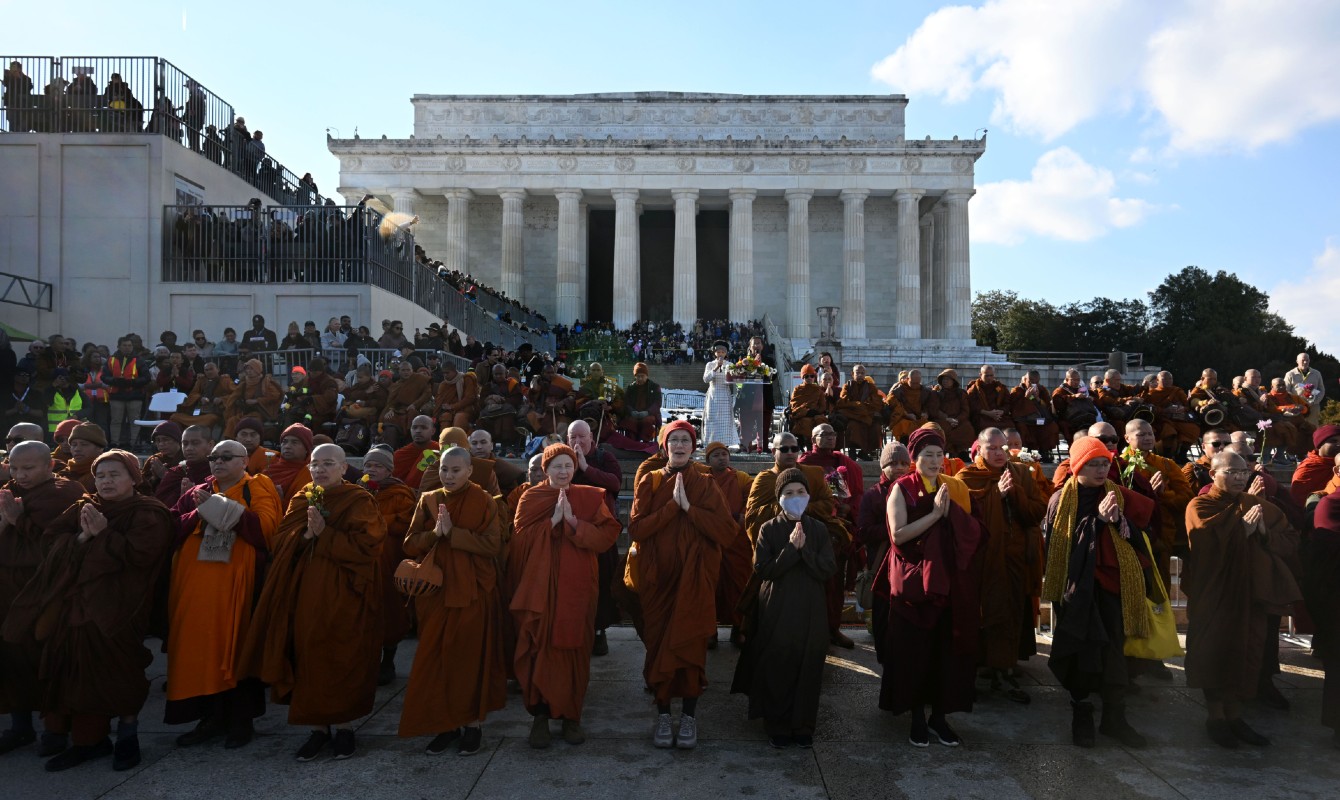
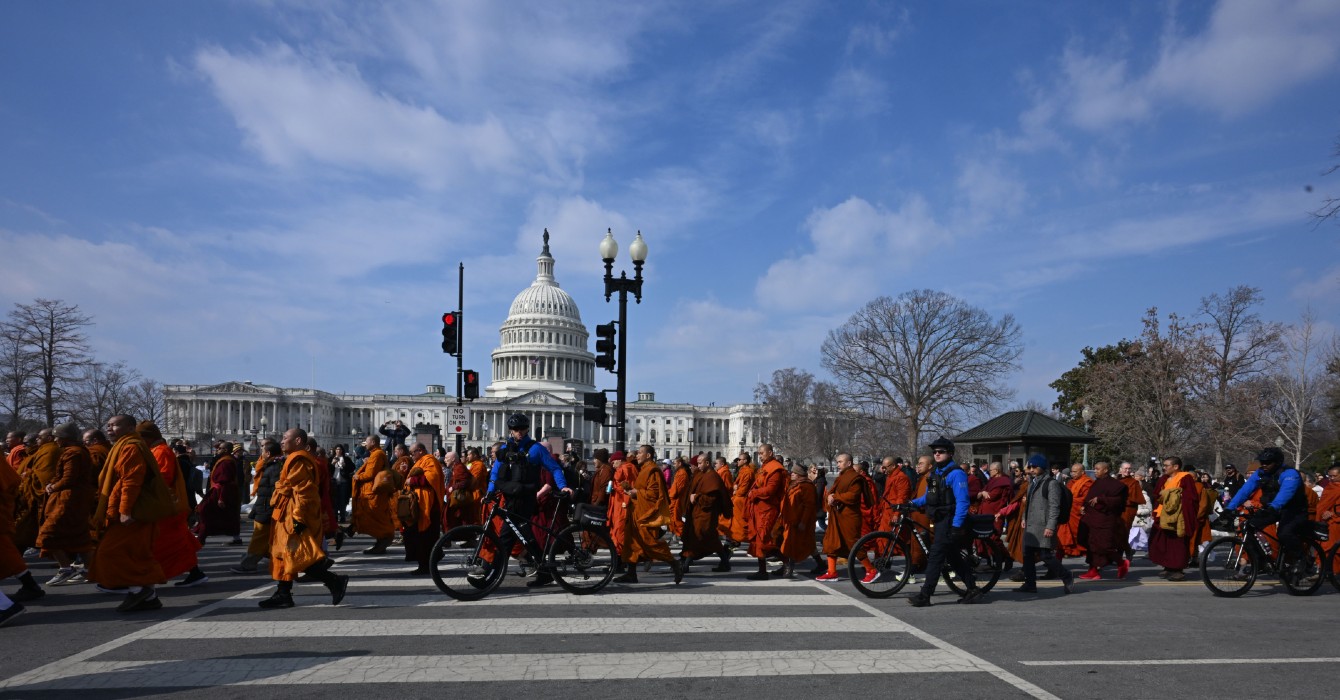
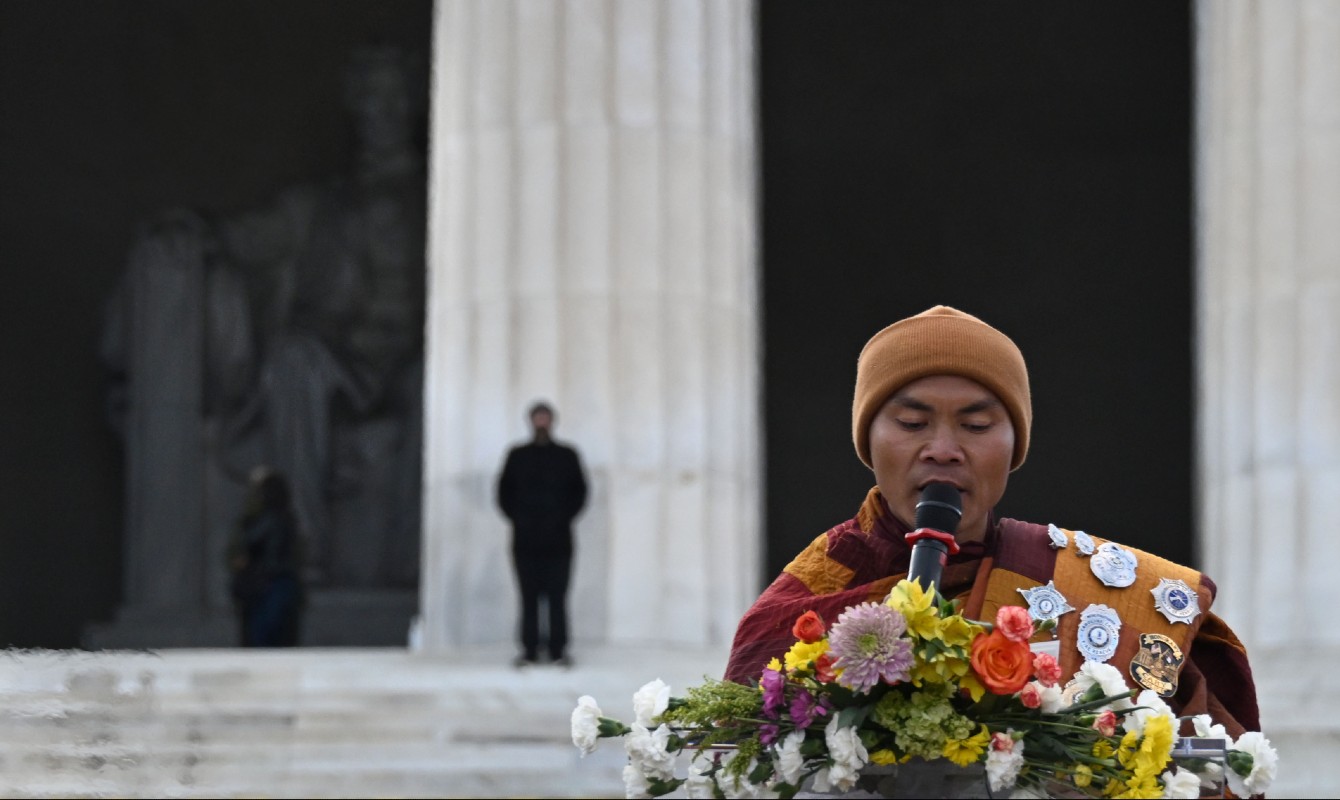
Pulitzer Prize-winning photojournalist Carol Guzy was among those present as the Walk for Peace reached Washington, D.C. These are some of her images from that day.
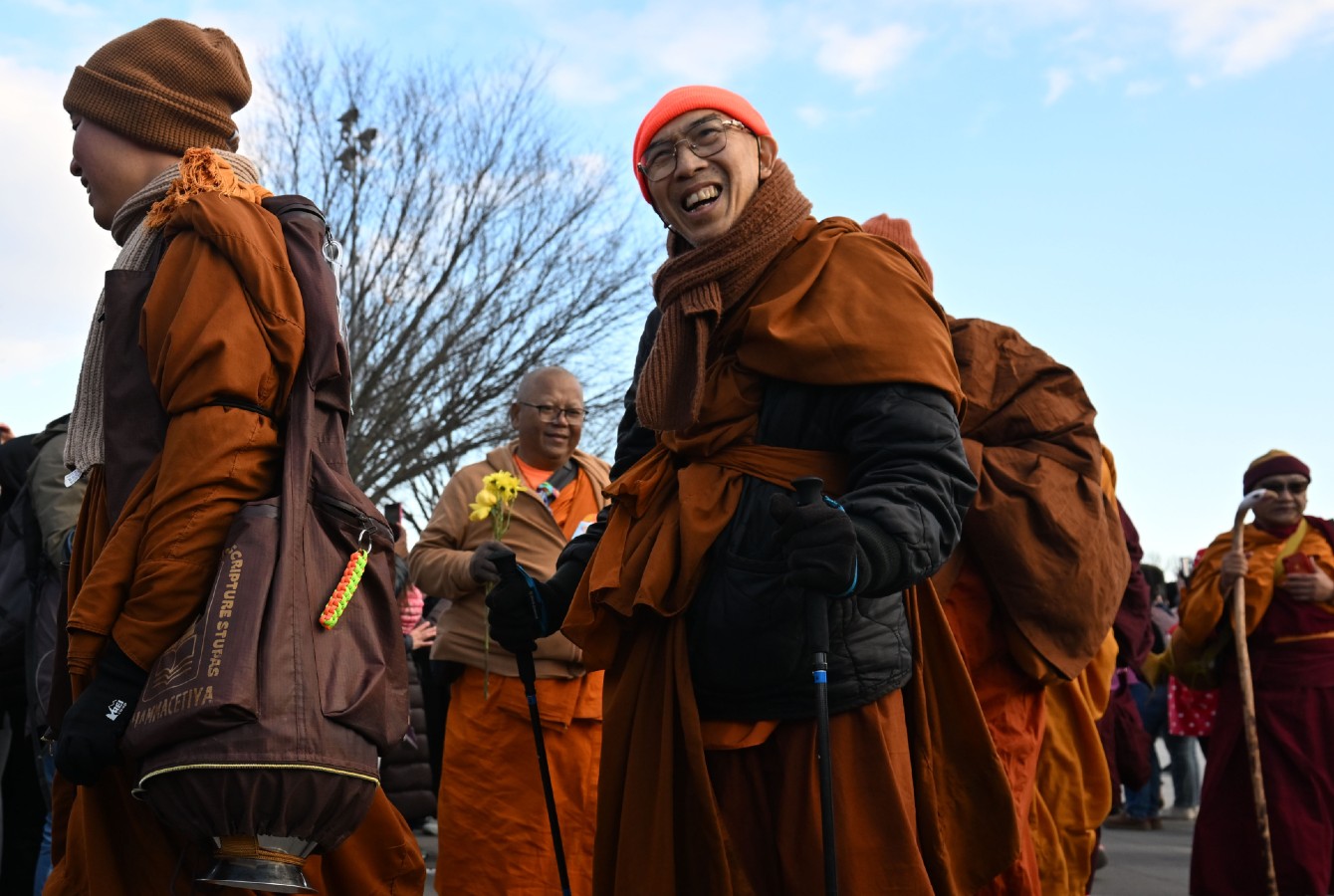
I came to encounter them one Friday afternoon, on the edge of a North Carolina highway. While I had followed their journey through the news and was eager to see them in person, the anticipated throngs of people and an impending ice storm had me inclined to stay home. Then friends texted friends, and we were suddenly meeting up at a neighborhood park, sharing a car to a point along the anticipated path.
Hours before the monks’ expected arrival, we joined an extraordinary group of others waiting and watching — the most diverse assembly of people by every measure that I had been a part of for some time. People chatted with strangers, encouraged impatient children, and shared information from friends just to the south who had witnessed the procession mere moments before.


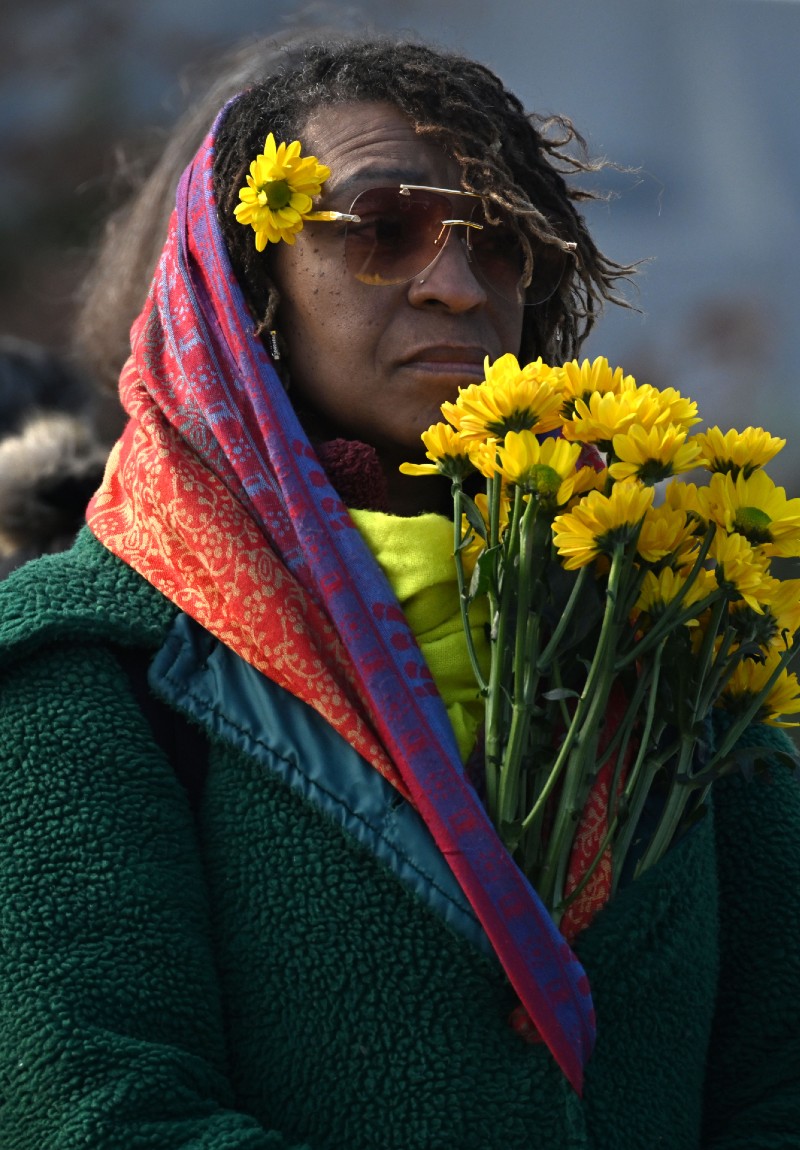
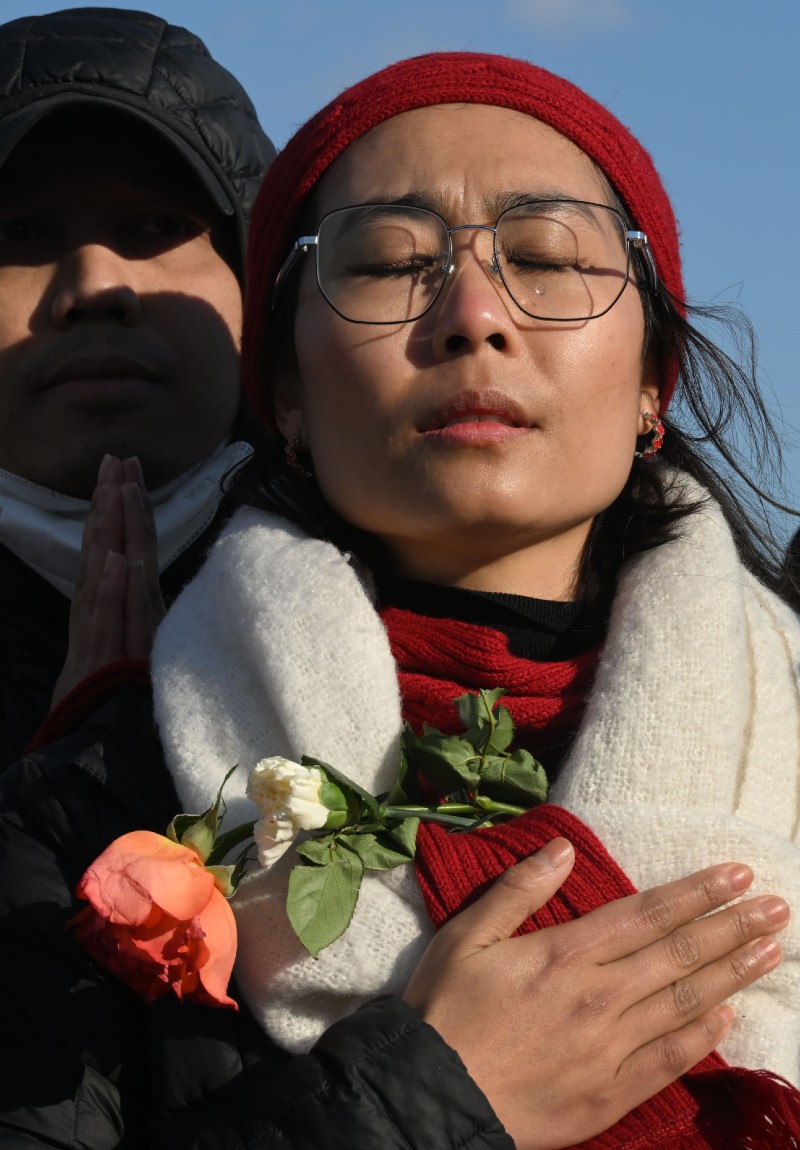
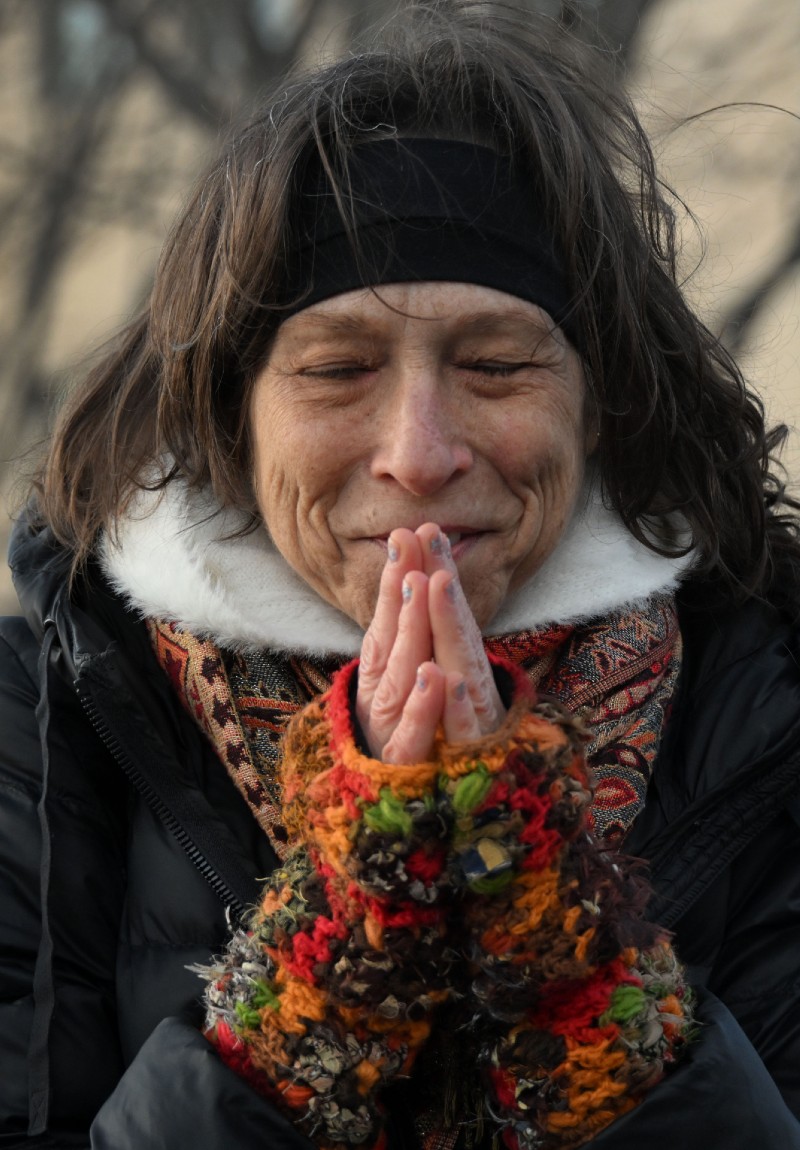
Even with our word-of-mouth tracking, it still felt unexpected as the monks walked by. The gathered crowd grew silent in reverence and respect. The monks collected flowers, offered whispered words, and kept walking. There was a muted collective exhale as they continued on their way.
Through unusually brutal weather that followed them into Virginia, they made it to Washington in February. In a season of recklessness and wanton cruelty by others, the monks had offered grace.
Their embodied presence may have channeled the nation’s restlessness and need to believe in something beyond the gnawing edge of despair.
Now, as the Northern Hemisphere shifts to spring and Washington’s ice yields to cherry blossoms, we are called to consider what comes next. Did the end of the monks’ walk signal the beginning of something new? Perhaps they planted or revived something in us. How do we tend to it?