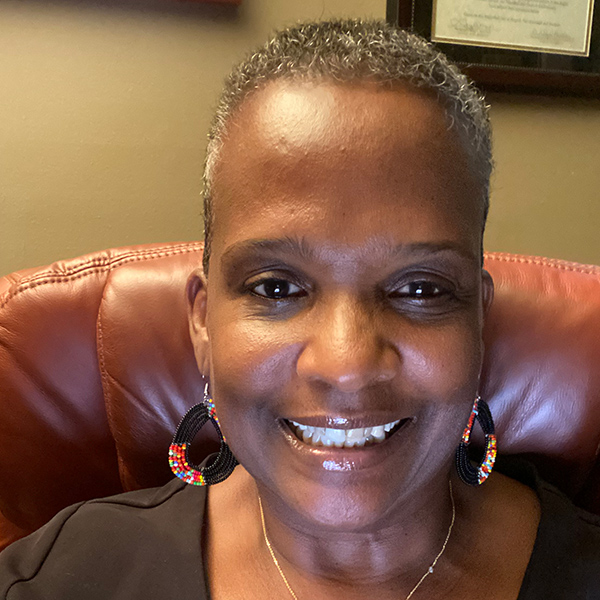


As I gathered my things to leave on the final day of my sacred activism class, a student quietly passed me a note, doing so with a shy reserve, but clearly intent on making sure I received it.
“Ms. Adams, you are a great leader and role model. I’ve learned a lot this year about sacred activism, and it helps me with how I see the world.”
That note made my day, my month, even my year. My students came from privileged backgrounds, educated in private school settings and surrounded by opportunity. I was worried that my teaching might fall on deaf ears, shaped as these high schoolers were by affluence and the shortened attention spans often attributed to their generation. My intent was to help change their worldview. And with this note, I felt that mission was accomplished.
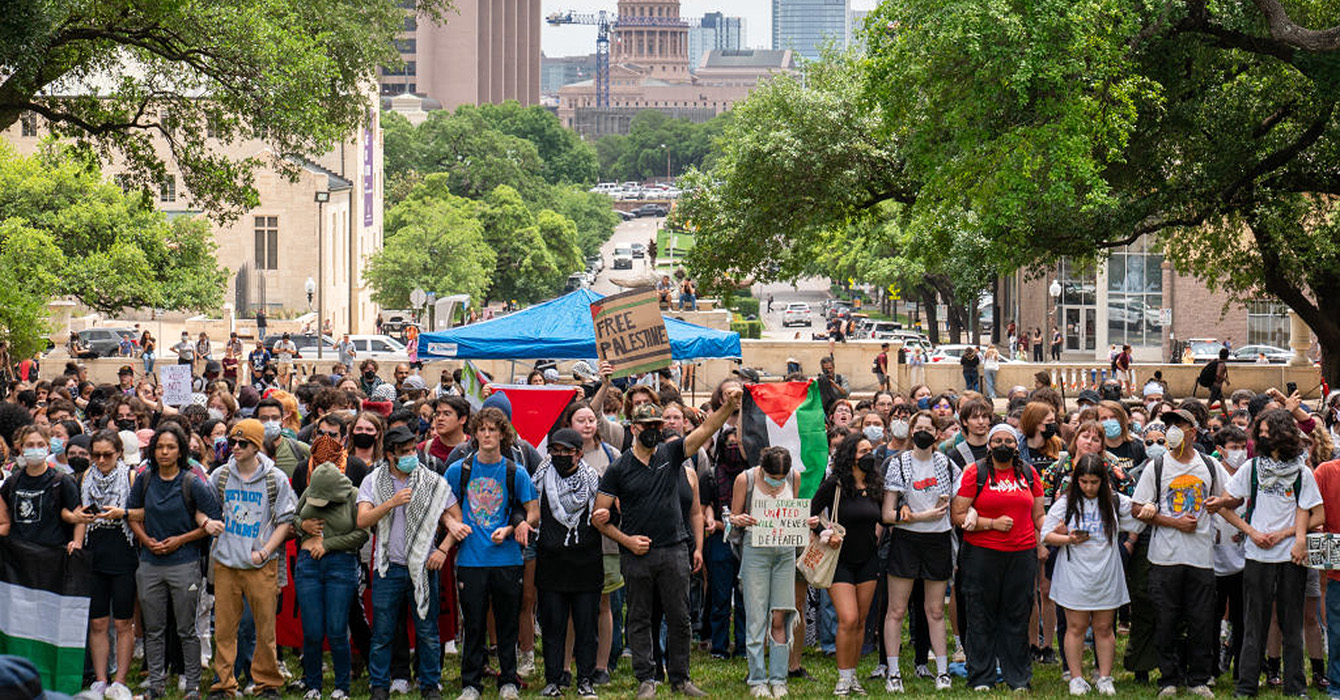
Although the class material was primarily historical, our recent social and political climate had closely mirrored those of the eras we studied, almost to a frightening degree. Even as the course unfolded, mass protests and confrontations rooted in deep political polarization, along with widespread concern about executive power, civil liberties and immigration enforcement practices, were social justice issues at the forefront of the news headlines.
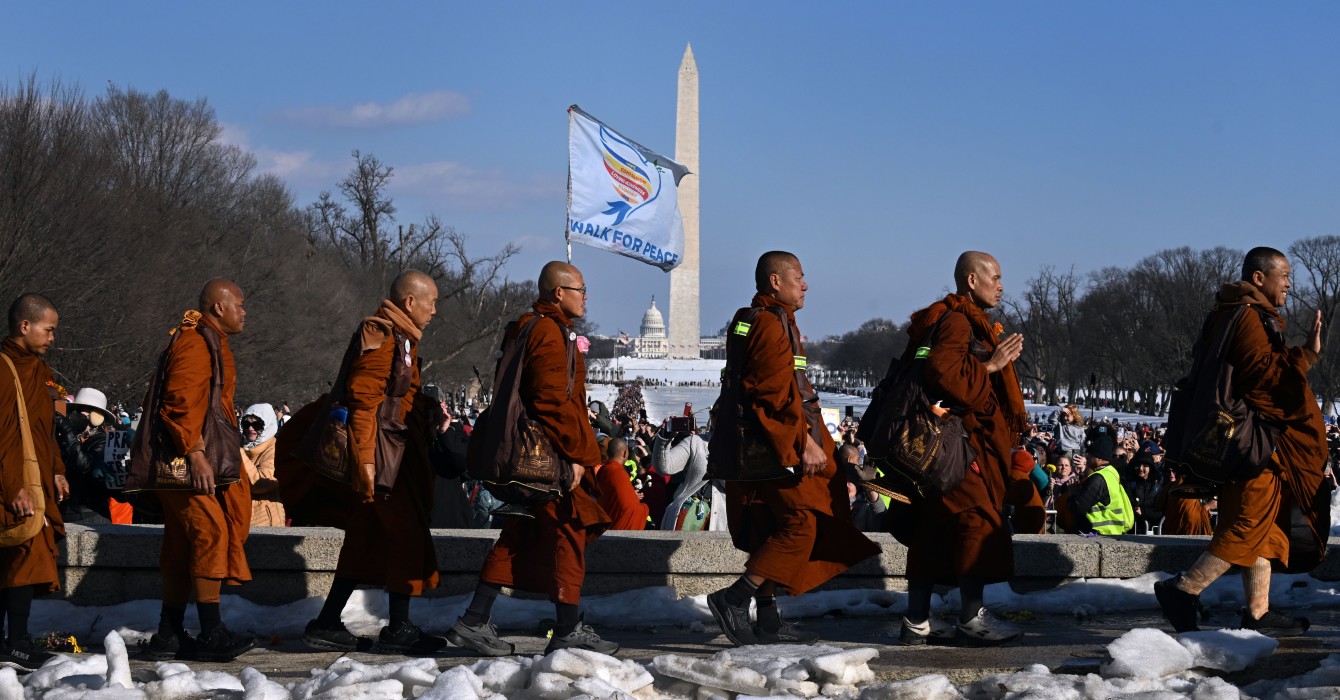
Amid all this, just weeks before the course was to end, a striking example of sacred activism emerged: a group of Buddhist monks walking 2,300 miles — from Texas to Washington, D.C. — to promote inner peace, compassion and national unity. So much came full circle during that semester. It was a tremendous responsibility to guide the minds of a room full of teenagers amid such social upheaval.
I wondered if it was a coincidence, my teaching this course during such a complex time. But I could trace the roots of the class back to 2007.
I was a second-year student at Princeton Theological Seminary just beginning to water the seeds of passion for theology and justice as a young adult. That year, I took an elective class called Religious Radicals taught by renowned author and scholar Albert Raboteau. I wasn’t a dominant personality. I didn’t feel like I had a voice as profound as that of my classmates. But I knew I wanted to do something meaningful, and I knew I wanted to make a mark in this world. I just wasn’t sure how to go about it.
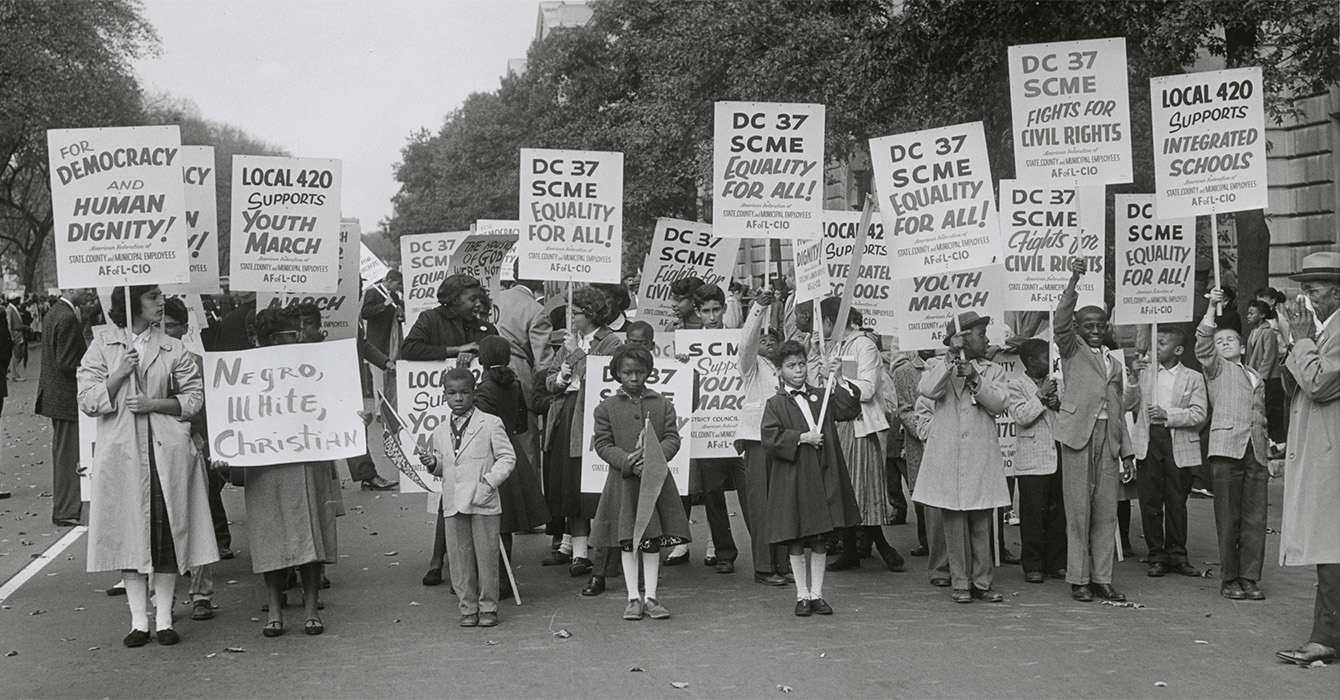
Raboteau introduced us to leaders whose activism all looked very different. His class highlighted how these “religious radicals” used their spiritual authority to challenge society and create movements for meaningful change — demonstrating the powerful intersection of faith and social responsibility.
It offered me a new perspective for thinking about the work of justice through the lens of faith. I was so inspired that decades later I would model my sacred activism course after his.
Throughout my life, I have been exposed to many different institutions, churches and spaces where everyday people live out their faith through sacred activism. I have studied at the feet of distinguished scholars, pastors and leaders who have chosen to live in ways that made real their faith through their works.
I teach my students about leaders like Sister Helen Prejean, the Rev. Dr. Martin Luther King Jr., Malala Yousafzai, Mahatma Gandhi and Fannie Lou Townsend Hamer. Through their stories, we explore the principles of nonviolent resistance, human rights and the meaning of moral courage. I introduce the young people in my class to a new perspective on activism by emphasizing the spiritual and ethical dimensions of working for justice. We look at ways to connect personal values and community well-being to meaningful social change.
I have watched how exposure to these faith leaders, practices and philosophies changes the minds and hearts of the students I teach, just as it did mine all those years ago in Raboteau’s class. I have witnessed their convictions deepen, their empathy expand and their sense of moral responsibility come alive. They begin to see the world not just as it is, but as it could be, and they feel both the weight and the possibility of acting with courage and compassion.
This year’s class was by no means perfect. At times, students wrestled with the tension between free speech and malicious rhetoric. We debated controversial figures, listened to podcasts that made me cringe and worked through ideas that felt unsettled.
At one point, we read a piece by Gandhi called “I Still Believe in Non-Violence,” in which he writes about the strength and discipline required to practice nonviolence and why he ultimately believes it is the most powerful way to overcome evil in the world. My students struggled with these ideas given the violence we see around us today. We also explored whether violence is limited to physical acts or whether words and language can be destructive.
Some students were able to see how language can contribute to harm, while others felt strongly that people should be able to speak freely without their words being labeled as violent. As we wrestled with these topics, I took seriously my responsibility to cultivate an environment that was respectful and nonjudgmental.
How could they be open to engaging varied perspectives if they felt their own views had no place in the room? Diversity often requires discomfort, including my own, especially when confronted with thoughts or ideologies I find concerning. Still, my role was not to control their thinking but to guide it with care, clarity and integrity.
I often find myself wondering how this kind of teaching translates in a world increasingly marked by cruelty, division and collective moral fatigue. While I would not suggest it is too late for adults, young people possess especially open and agile minds ready to engage this work deeply and meaningfully.
Yes, they are a generation more digitally connected and, at times, less rooted in face-to-face community than those before them. Yes, they process information differently. But difference is not deficiency, and we are called to meet them where they are.
To teach them well requires that we believe the best about them and trust their capacity to wrestle with complexity, to think critically and to discern wisely. When given the tools, language and space to reflect, they are fully capable of rising to the occasion. Our task is not to despair over this generation but to help awaken what already lives within them: moral imagination, courage and the willingness to participate in shaping a more just and humane world.
We look at ways to connect personal values and community well-being to meaningful social change.