

“Love does no wrong to a neighbor; therefore, love is the fulfilling of the law.” (Romans 13:10).
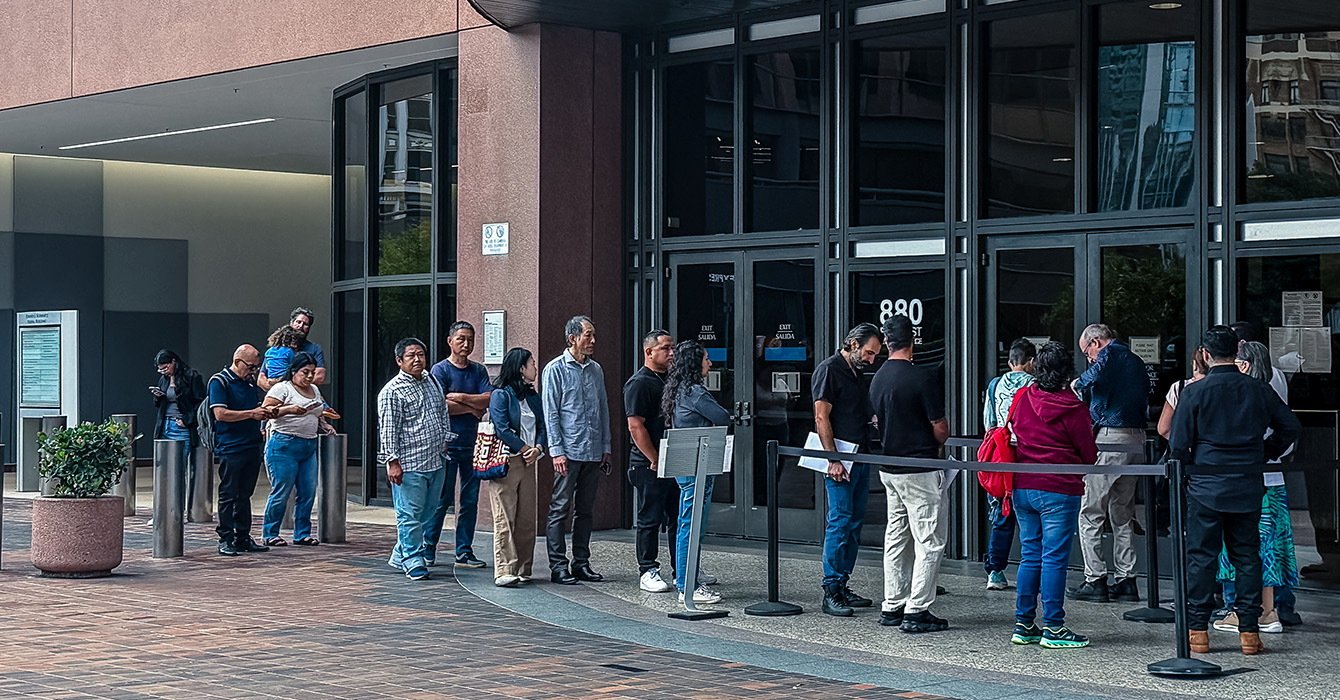
Over the past few weeks, I have been fielding questions, concerns and prayer requests from church members, neighbors and mission partners regarding the federal takeover of Washington D.C.’s law enforcement, particularly as it relates to some of our most vulnerable neighbors, the unhoused population.
One of our church’s longest-standing mission partners, the Georgetown Ministry Center (GMC), increased their street outreach to monitor the situation and show support for our neighbors who are chronically homeless. A few days in, over half of their guests had interacted with law enforcement of some type (the Drug Enforcement Administration and Federal Bureau of Investigation were the most common), and by the end of the first week, most encampments were cleared.
Often victims of violence themselves, many of GMC’s unhoused clients initially expressed support for increased law enforcement, unaware that their status as homeless might qualify them as the targets of such enforcement.
I had the privilege of accompanying GMC staff as they walked the streets of Georgetown and other Washington neighborhoods that first week, handing out water and snacks, and warning people about the increased presence of federal agents. The staff members encouraged folks to stop by their drop-in center to take advantage of the center’s services and its safe and welcoming community.
One morning, I also bore witness to the clearing of an encampment on a grassy stretch of land close to the Potomac River, with the Lincoln Memorial and the U.S. Institute of Peace as the backdrop. While city workers, social workers, advocacy groups and the media stood watch, individuals and partner organizations worked carefully and methodically to clear their things. Together, pairs and trios folded clothes, tarps and blankets, collapsed tents, and attempted to fit worldly belongings into garbage bags and shopping carts.
Just that morning, the grass had been freshly and neatly mowed around the camp. Across the lawns, square patches of dry brown grass remained, revealing the camp’s longevity.
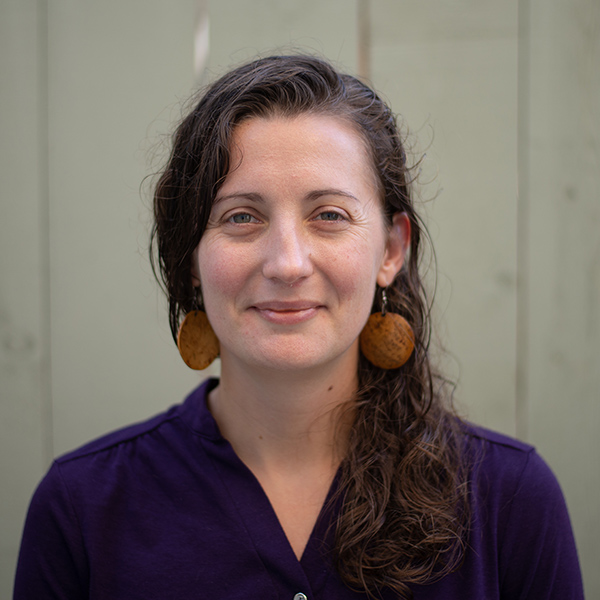
Claire Wilson, GMC’s executive director, reported that as she warned people of the impending clearings, she was asked, “Where should I go? Where will I be safe?” time after time. Scattered throughout the capitol region, many of these encampments are tucked under bridges and in wooded areas, along trails and in the forested stretches that make this city so beautiful.
With few answers to these questions, Wilson and other staff members found themselves encouraging their unhoused neighbors to “go further into the woods,” “make yourself small” and “make yourself invisible,” in the hopes of evading detection.
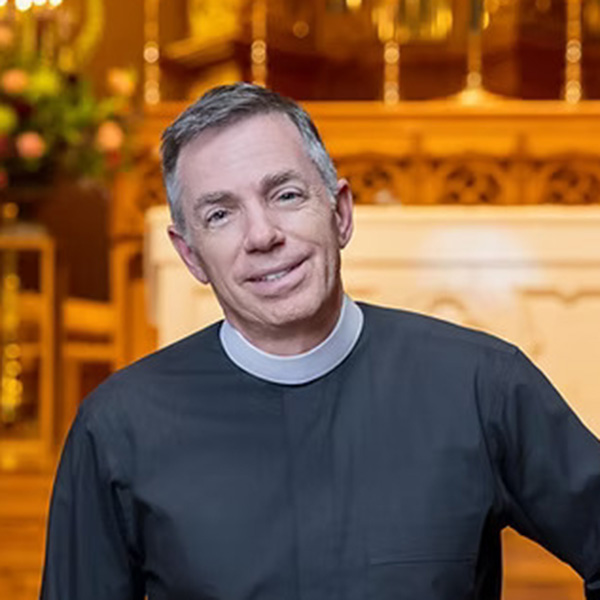
As a pastor, I’m often creating opportunities to foster connection and belonging in my congregation — opportunities that remind people that we belong to God and to each other, within and beyond the church.
When we are known, and when we know others, honestly and without the need for pretense, there is a sense of expansiveness in body, mind and spirit. It’s in that place that true and deep flourishing is possible, and we glimpse God’s greatest desires for us as individuals and as creation.
To make oneself small, invisible, undetectable is the opposite of that. That’s contraction, not expansion. And for that to be the safest route for our unhoused neighbors should be gut-wrenching for Christians and for humanitarians.
During this uncertain and fearful moment, we are called to love God and our neighbors in tangible ways and to seek the face of God in all we meet. As I walked around our neighborhood alongside our community partners, I witnessed this embodiment as GMC staffers and unhoused people greeted each other by name, offering such care and engagement that is possible only when relationships of trust and mutuality are built over time.
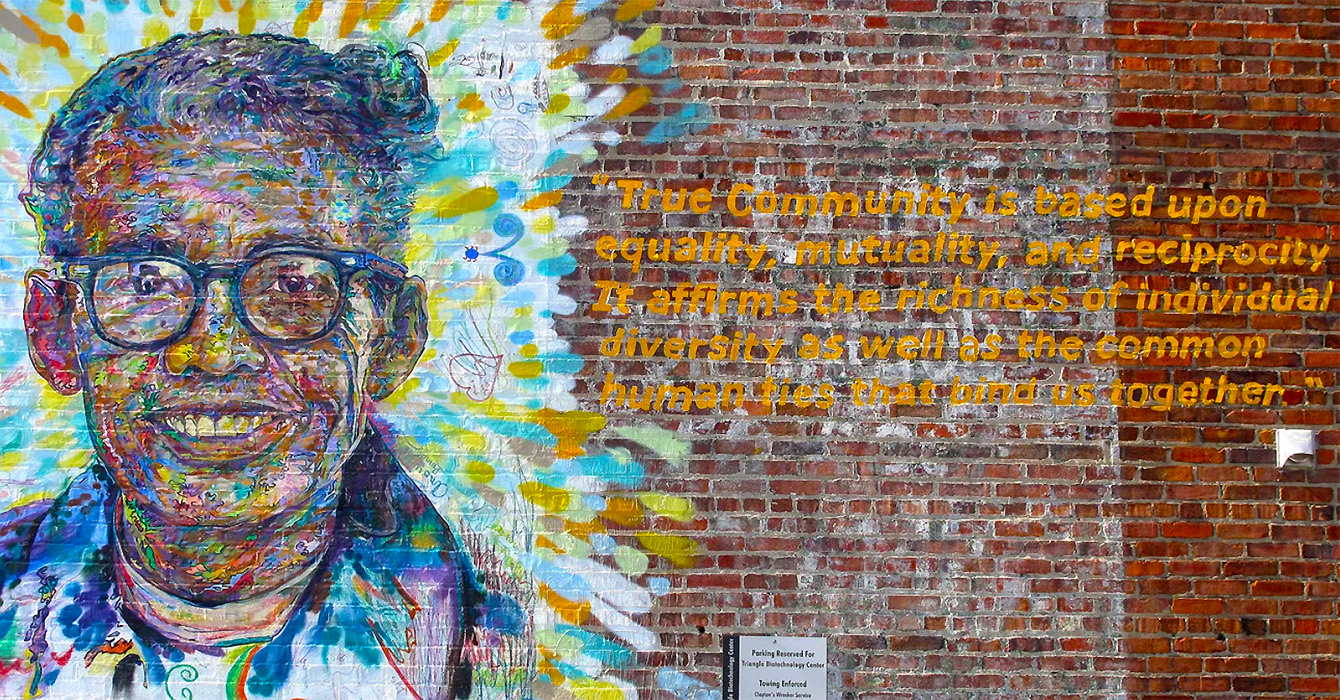
To see the face of God in another is to look past labels and see individuals with unique stories, needs and situations. To see the face of God in another is to recognize them not as an “other” to be feared, but as a neighbor with whom we are called to be in community.
When shrinking and becoming small seems like the safest route, not just for our unhoused neighbors but perhaps for all of us, communities like GMC counterbalance the pull towards contraction. When these circles of protection and belonging endure, those in need — which these days seems like just about all of us — can breathe, feel safe and be welcomed.
Please keep our city and homeless community in prayer, now and in the coming days:
Loving God, your Son, Jesus Christ, was born in a manger, and as an adult, said he had no place to lay his head. We pray for our neighbors across Georgetown and Washington and beyond who are living on the streets. We lift up the vulnerable and the invisible among us and we ask that you would give them dignity, peace and safety. Guide us as your followers to be a loving and merciful presence to all and use us so that all people might find a place to lay their head. Amen.
During this uncertain and fearful moment, we are called to love God and our neighbors in tangible ways and to seek the face of God in all we meet.