
The numerical decline of the mainline churches in the United States is by now well-documented, as are the implications for structural reform, worship, the training of clergy and the recruitment and retention of younger generations.
We in the church have given less attention to the funding shifts that the current reality requires. Those of us situated in “First Churches” — those mainline anchor congregations in American downtowns, often with significant history, influence and prestige — may have financial resources that have remained somewhat constant. This is largely due to our demographics, that is, an aging membership with accumulated assets.
This is beginning to change, however, because of economic challenges, growing inequities and profound human needs that churches are called to fill in an era of diminishing social services. Each of these trends has affected funding patterns of congregations and ministries. And First Churches are no exception.
Many of these congregations are now in the midst of financial planning for the coming year. This work often happens in a leadership team or finance committee, with the clergy offering an important voice at the table. Part of this task is developing a working budget, which includes anticipated spending and income.
For many decades, income in Audrey’s congregation, First Church Miami, had been developed primarily through an annual pledge campaign that projected what could be expected in the offering plate. Historically there were just a couple of lines in the income statement: tithes and offerings, and endowment income.
Now there are now multiple streams, including rentals, fundraisers, coffee shop sales and grants. At First Church Miami and other First Churches, these “side hustles” are generating income equal to the congregational commitment, if not more. The offering plate is shifting.
Our previous articles on First Churches focused on adaptation, change and revitalization; here we hope to provoke a deeper and more helpful conversation about the role of financial resources in taking the next steps into a new year.
How does a changing offering plate create both challenges and opportunities, here and now, for the mission to which God is calling us? Congregations should address three important related topics: space, people and mission.
Space: The gift and challenge
The challenge of church property often monopolizes church committee meetings. Whether it is the leaky toilet, the frozen air conditioning or the termite-infested organ, every congregation confronts the challenges and cost of maintaining, heating and cooling its building.
First Churches in particular may have aging facilities that are large, beautiful, historic — and costly. As these facilities decline, fewer spaces are used for discipleship, and many are rented out to other organizations.
These congregations may face the risk of gradually prioritizing other organizations over the church’s needs and mission simply because the other organizations are paying for the space. Often the church needs the rent money simply to keep the doors open. First Churches and their leadership and staff then become landlords, managing assets without an overall vision and strategy for the space.
Yet these spaces also are a gift. A 2026 trends report from the International Downtown Association indicates that downtown land has outsized value, and that visitors to downtowns have rebounded to 94% of the prepandemic level. As space is limited in these vibrant areas, our churches have a unique opportunity to participate in the growth around us.
Church leaders might ask, How are buildings changing around our First Church? Are there opportunities to leverage our property that might align with our mission? These are some of the first questions we need to ask to see our buildings as assets that can both generate income and serve people in a distinctive way.
People: What patrons offer
The patron is someone with means who is inspired to fund a cause. It is clear that Jesus traveled with patrons, often women, who helped to support his ministry (Luke 8).
In past generations, many First Churches were blessed with members who were patrons and made significant mission possible. The skill of cultivating patrons, often learned on the job, becomes as integral to the practice of effective ministry as preaching, teaching and shepherding.
There are, however, some weaknesses in the patron model. The leader or organization can become dependent on an individual or a few very generous members. Over time, the actual mission can drift from the original intent of the donor. The patron may age or move or die; and the involvement of an influential patron can discourage grassroots participation.
Mission: The bivocational congregation
In his letters to the earliest churches, Paul clearly states at times that he is supporting himself and taking no funds from congregations (Acts 18; 1 Corinthians 9).
What is true for an individual can also be true for a congregation. We envision a model where local churches will in some sense become bivocational and create new revenue streams.
For more than a generation, many First Churches have relied on a predictable stream of revenue that flowed from individuals shaped by a church culture. As that changes, some adaptive churches are learning from social entrepreneurship. That may involve engaging in partnerships, seeing space as a financial resource and developing businesses aligned with their mission.
Some First Churches have become part of multidenominational models. Some have engaged in efforts to improve housing by joining an affordable housing project or transforming their space for treatment centers, temporary housing or other uses. Some are opening their doors to provide coworking and art and gallery space for artists and nonprofit organizations.
The model of social entrepreneurship has strengths — creativity and collaboration — and also limitations. Funding models of institutions shift, community organizations change direction and long-term planning can become difficult.
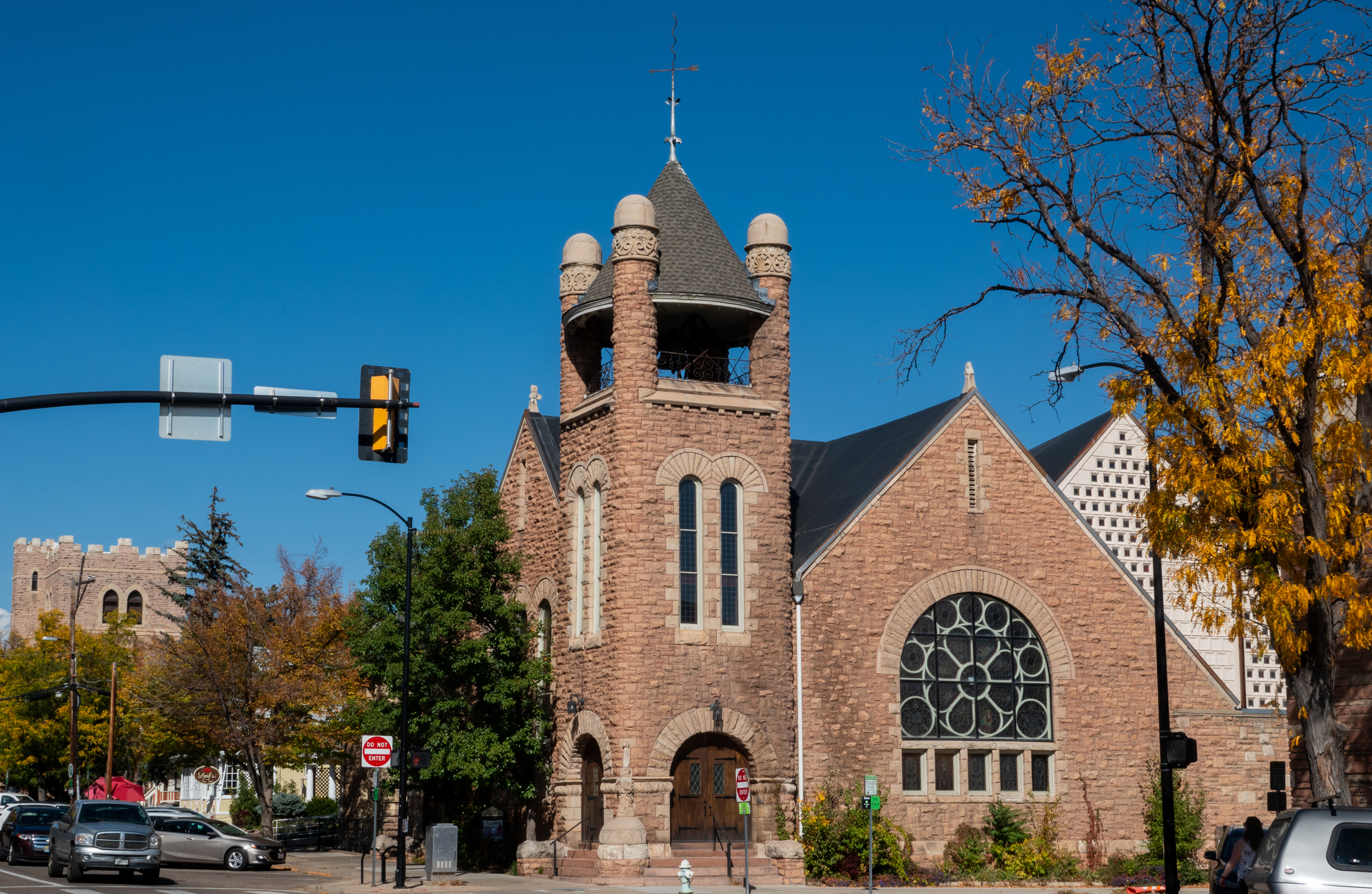
A First Church may learn a lot from asking how the mission is changing around first churches. The Rev. Michael Mather serves First United Methodist Church in Boulder, Colorado. His father, Herb, was an executive with the denomination and recognized for his wisdom on giving.
Herb once observed that his job was different from Michael’s because Herb never had to raise money from anyone other than church members.
Michael has been in ministry for 40 years, and he has always had to do this. He said that people are drawn to give when they see the impact of the mission.
“We have more people come and talk to us because of the way we do mission; people who are outside of the church who want to support who we are and what we are up to,” Michael said. For example, the local community foundation contacted him about giving the church a $10,000 gift to support its work.
Yes, the offering plate is changing. Out of necessity, First Churches are discovering multiple models for funding the mission. And yet churches that are reaching and serving their communities and blessing the lives of persons beyond their membership can with integrity appeal to the generosity of stakeholders, both within and outside the church walls.