
Did you Zoom before the pandemic?
Or you might have used another platform for video conferencing before lockdown interrupted us in early 2020. Then, a lesser-known app zoomed on the scene, and by March daily Zoom meeting participants reached 200 million, a 1900% increase from March 2019.
This was, in part, because Zoom is easy to use. It could handle large numbers of participants and quickly figured out how to protect user privacy. Zoom use also skyrocketed during the pandemic because of a fundamental truth — humans need connection.
Zoom enabled my cross-country family to open Christmas gifts together in 2020. I attended Zoom funerals to pay respects and grieve “alongside” loved ones. And I was able to figure out how to accomplish or adapt almost all my highly relational work to a virtual space.
While it wasn’t business as usual, Zoom helped us get previously in person work done in remote settings. It became the new normal and was exactly what we needed when we needed it, easing the sting of loneliness.
Now, social restrictions have lifted, and we are able to travel, gather in person and do what humans are created to do: be together in community, do life together as embodied persons created in God’s image.
Except that not everything has returned to pre-pandemic normal, including how we meet. Organizations and businesses save a lot of money formerly used for travel and hosting meetings by continuing to gather on Zoom.
We tend to be more efficient with our time when meeting online. It takes effort to get multiple schedules aligned, so we sacrifice small talk on the altar of productivity. We should consider the cost of such efficiency.
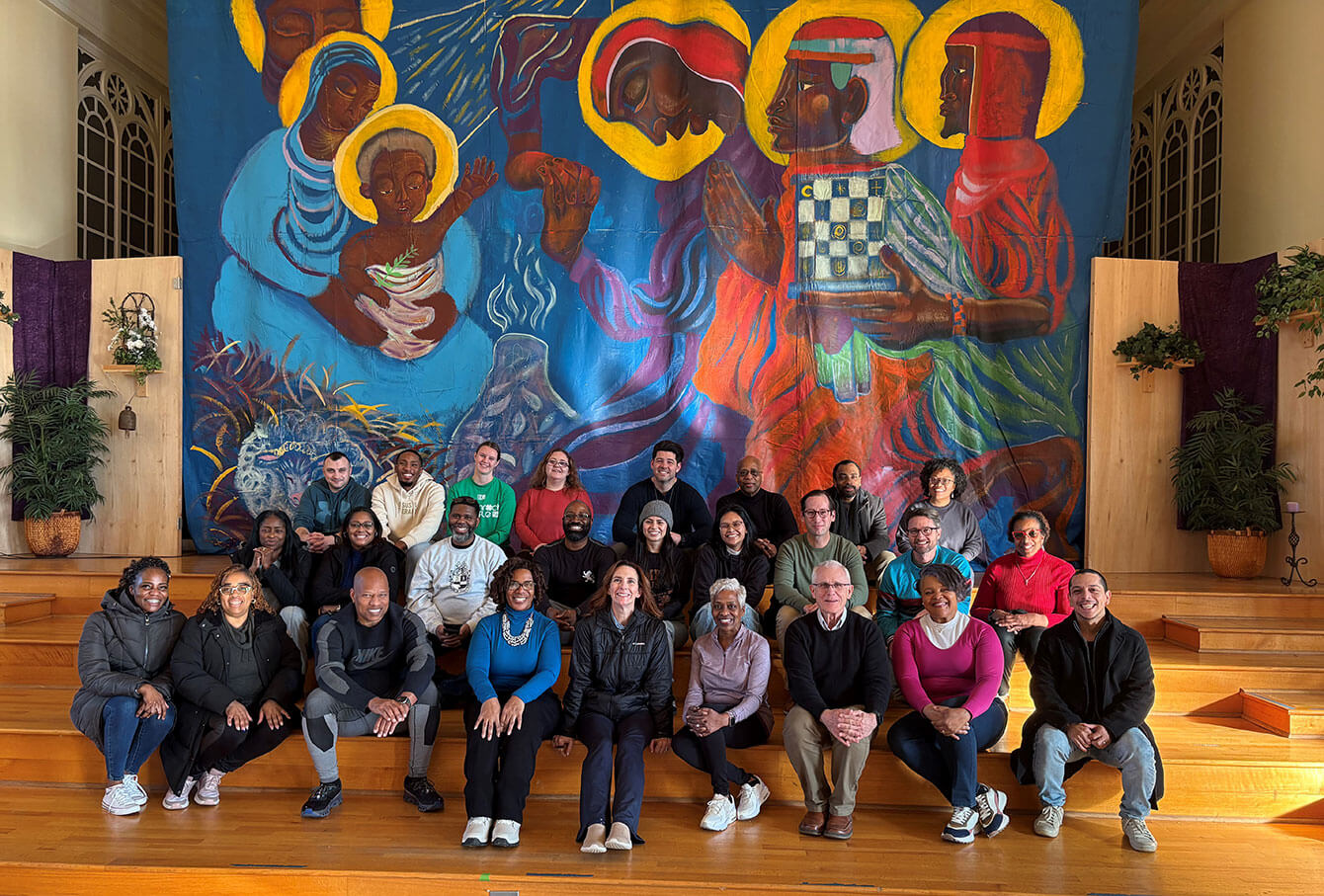
Something holy happens when we gather in person. We are more empathetic. We listen better when we can look someone in the eyes, hear their breathing and experience the idiosyncrasies that make them a unique child of God.
When we gather in person, we can share meals, share about our lives and share in our common work. And, more often than not, the work, especially if it is ministry or relational, is done better. It happens with more passion, intentionality and innovation when we do it side by side.
Travel and in-person gatherings are more time consuming and expensive than meeting on a screen. Our time is valuable, and our consumeristic society pressures us to multitask, make the most of every minute and prioritize our needs and wants alongside a multitude of obligations.
I don’t always want to fly across the country and spend half a week at a conference where there’s only a handful of people I actually want to sit with at a meal. But I need to, because meeting new people expands my network, imagination and worldview.
I may not want to sit through a breakout session on a topic only tangentially connected to my work. I may be able to come up with five other ways I could spend that time. But I need to be there, because talking with folks who are on the periphery of my work helps me recognize blind spots in my assumptions, exposes me to new ways of doing our collective work, and may introduce me to partners or collaborators I didn’t know I needed.
I rarely want to leave my family, miss important moments and burden my spouse and others in my village with my portion of the family workload, but I need to. My children benefit from reminders that I am fulfilled and challenged by living into my vocation, which extends beyond being a mother and wife. They also grow resilient and confident knowing they have other adults to rely on for rides, advice, meals and other needs I typically manage when I am home.
Technology, including Zoom, enables me to be selective in how I spend my time traveling, when hybrid options are available or I can view recordings of events asynchronously. The same technology has also provided organizations the opportunity to expand their workforce and board membership with remote gathering and shared project platforms.
In working with nonprofits as they build their organizational capacity, board development is always a high priority. My assumption was that when organizations committed to developing their boards, they would employ consultants, do assessments, offer continuing education and better educate their board members about the nonprofit’s work and community. While these things definitely happen, what surprised me is that the most common use of funds for board development in the last five years among organizations we work alongside is travel and hospitality costs for yearly in-person meetings.
Although it makes sense to use Zoom to supplement the way so many of us do the highly relational work of ministry, we are designed to live, work, minister, partner and collaborate together, in person.
I am no longer surprised, but instead delighted when I read reports or evaluations with quotes like these:
“We forgot how important it is that we are together in person. We want to know each other, because we like each other and we share this common work.”
“When we spend time together, we do better work together.”
“I forget how much work gets done during meals, at break times and walking to and from meetings. And not all of it is work; some of it is social, but it contributes to the work in significant ways.”
These sentiments are not limited to board members of nonprofits. I hear the same affirmations after various in-person gatherings and convenings. They are worth the time and investment.
For all the inconveniences that came with the pandemic, Zoom provided an option for gathering when we desperately needed one. Then it became so convenient, we lost sight of the joy, collaboration, fun, sharing and creativity that flow most abundantly when we bypass convenience for embodied connection.
As leaders entrusted with the stewardship of our organizations’ resources, it is easy to let our budgets, timesheets and to-do lists make decisions for us. Let us also remember our stewardship of relationships, which are nurtured most beautifully, holistically and effectively when we make the effort to gather face to face, embodied as beloved community.
We should consider the cost of such efficiency.