
I was sitting on my couch catching up on the day’s news several months ago when my heart broke. I saw a story about federal officers in Philadelphia removing Black history displays — exhibits that included information about George Washington and the people he enslaved. Each time they took down a sign, it felt like a gut punch.
The panels were reinstalled, but only after a federal judge ordered that they be restored in an order that cited George Orwell’s novel “1984.”
The administration claims to celebrate America’s history, especially as the 250th anniversary approaches. But its actions across the nation show that it isn’t interested in telling the whole story.
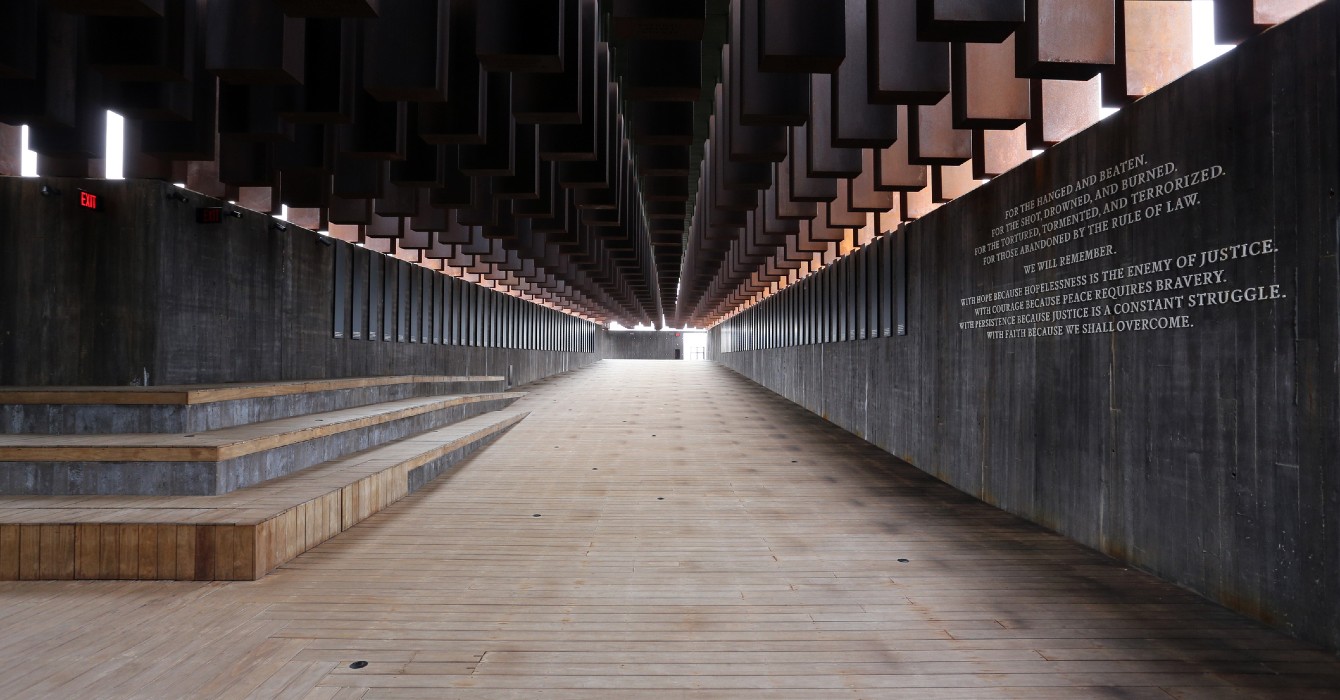
When it comes to slavery and Black history, there is a growing movement toward forgetting — or worse, erasing. The impulse to bleach out the stain of America’s sin continues to surface (ironically, during the year that Black History Month turns 100.) This is not merely about banned books or altered displays; it is about erasing the narrative of the very people whose labor helped build the wealth of this nation.
It makes me angry, but in my mind I could hear my late grandmother’s voice: “If you can change a thing, then change it. Ain’t no need to worry.”
Her wisdom reminds me that while I may not be able to change national policy or stop every removal of Black history from institutions, I am not powerless. I can influence my circle. I can lead where God has placed me.
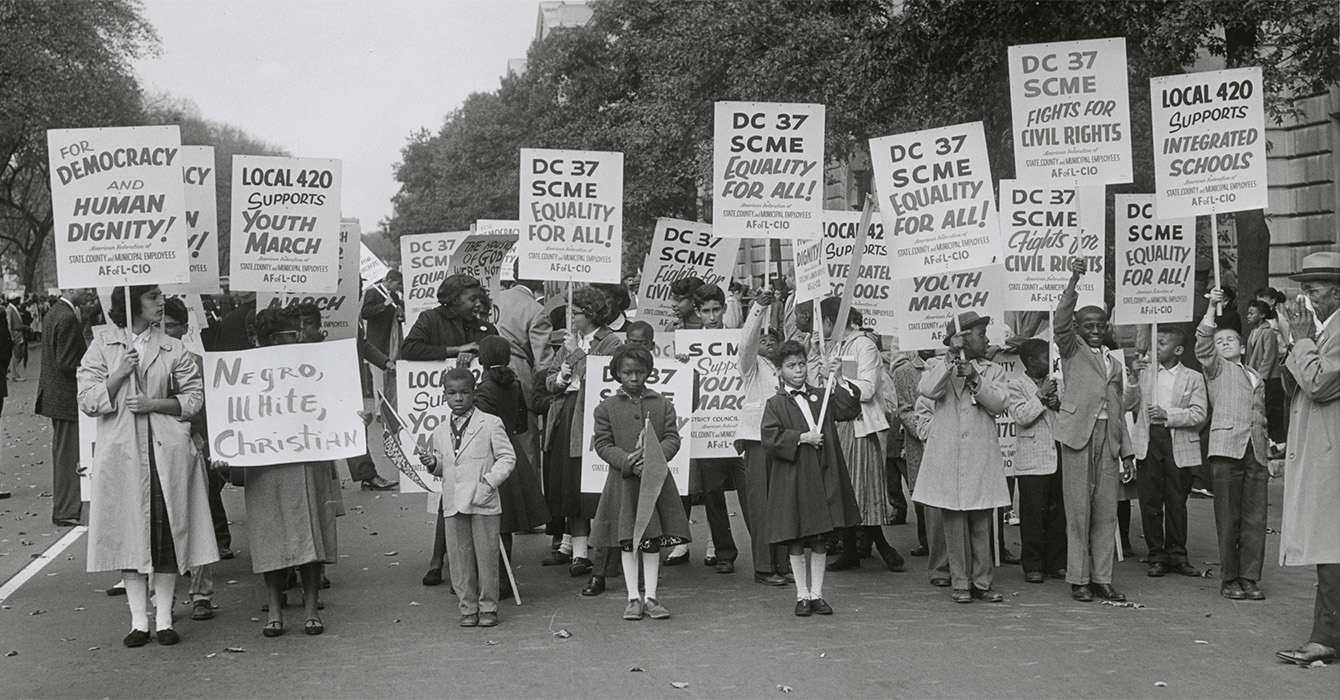
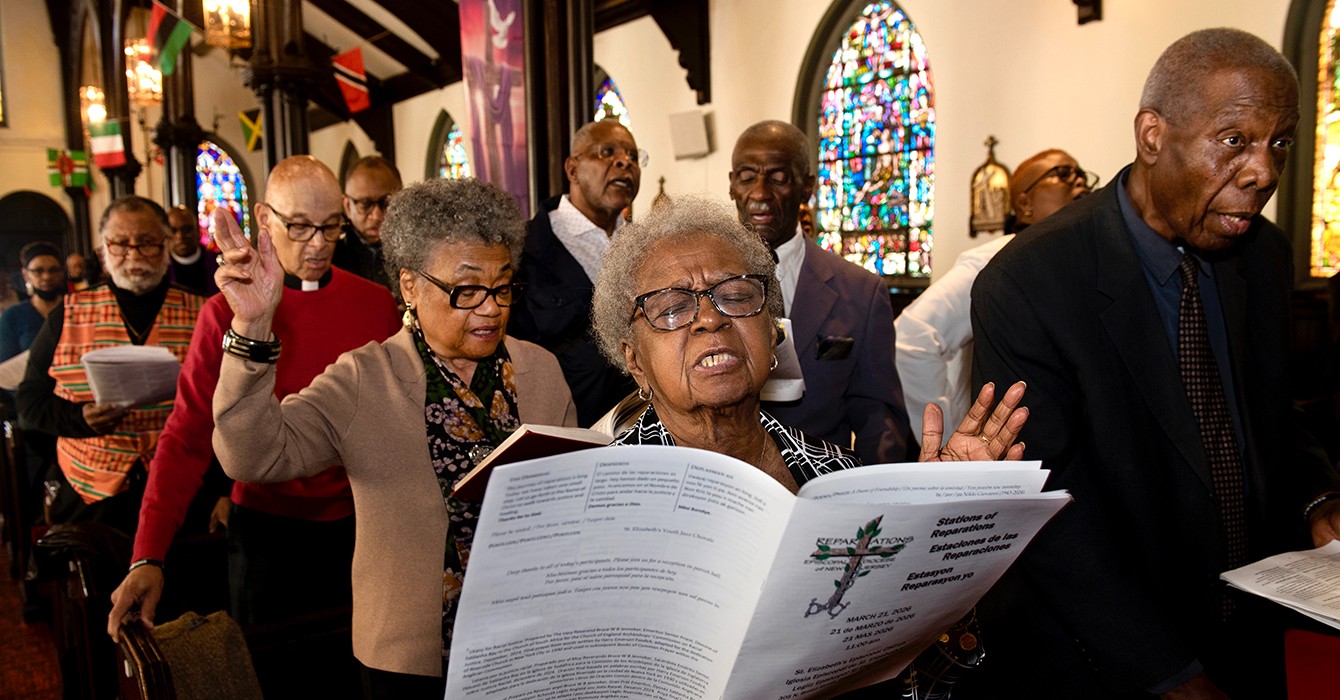
As a pastor of a historic church, I have often shared reflections on Black history. But this moment feels different. It feels immediate and personal. The Black church itself stands as a living testimony to our history of perseverance and faith. It was built with blood, sweat and tears. It was sustained by chicken dinners, bazaars and penny rallies. It has never been perfect, but it has always been ours.
This season may be calling us not to look outward for solutions, but inward. In “The Souls of Black Folks,” W.E.B. DuBois calls the Black church the “social, intellectual, and economic centre” of the Black community in the U.S. His words still ring true. The question before us is whether we will reclaim the fullness of that role.
Christian leaders — especially Black Christian leaders — must recognize that the preservation of history is not only cultural work; it is spiritual stewardship. Scripture repeatedly commands remembrance. God instructed Israel to tell the story, rehearse the testimony and pass down the truth to the next generation. Memory is a biblical mandate.
This is where leadership theory and spiritual leadership intersect. John Kotter’s well-known change model begins with one critical step: creating a sense of urgency. Change rarely happens without it. The current threats to Black historical memory should serve as that urgent signal. This is not a distant issue; it is a present call.
For Christian leaders, urgency must not produce panic but purposeful action. Here’s what we can do:
- Teach truthful history within our churches
- Preserve congregational stories and testimonies
- Support educational initiatives that honor historical truth
- Equip younger generations with both faith and historical awareness
- Use our pulpits to affirm the dignity and contributions of Black lives past and present
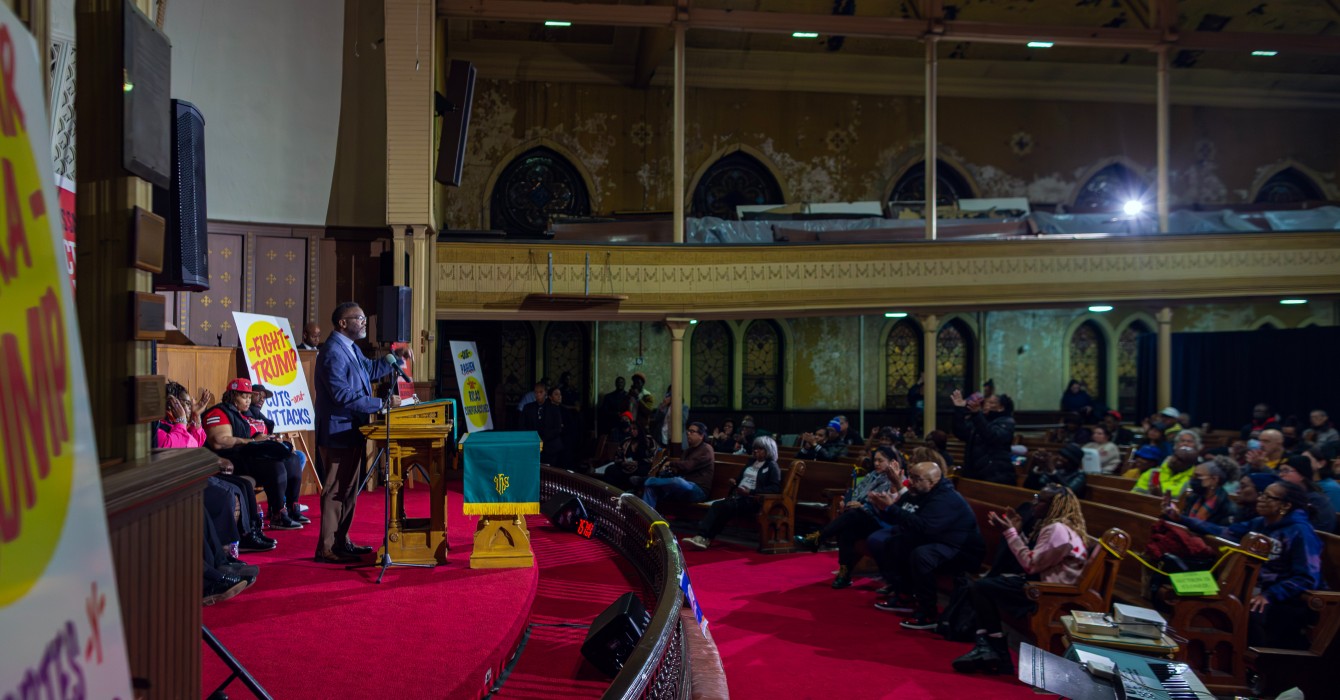
The Black church has historically served multiple roles beyond worship. It has been a school, meeting hall, refuge, strategy hub and symbol of hope. This moment may be a call to embrace that multifaceted identity once again.
Some churches and organizations continue to preserve our history. Recent efforts include initiatives like Brent Leggs’ and the National Trust for Historic Preservation’s Preserving Black Churches program.
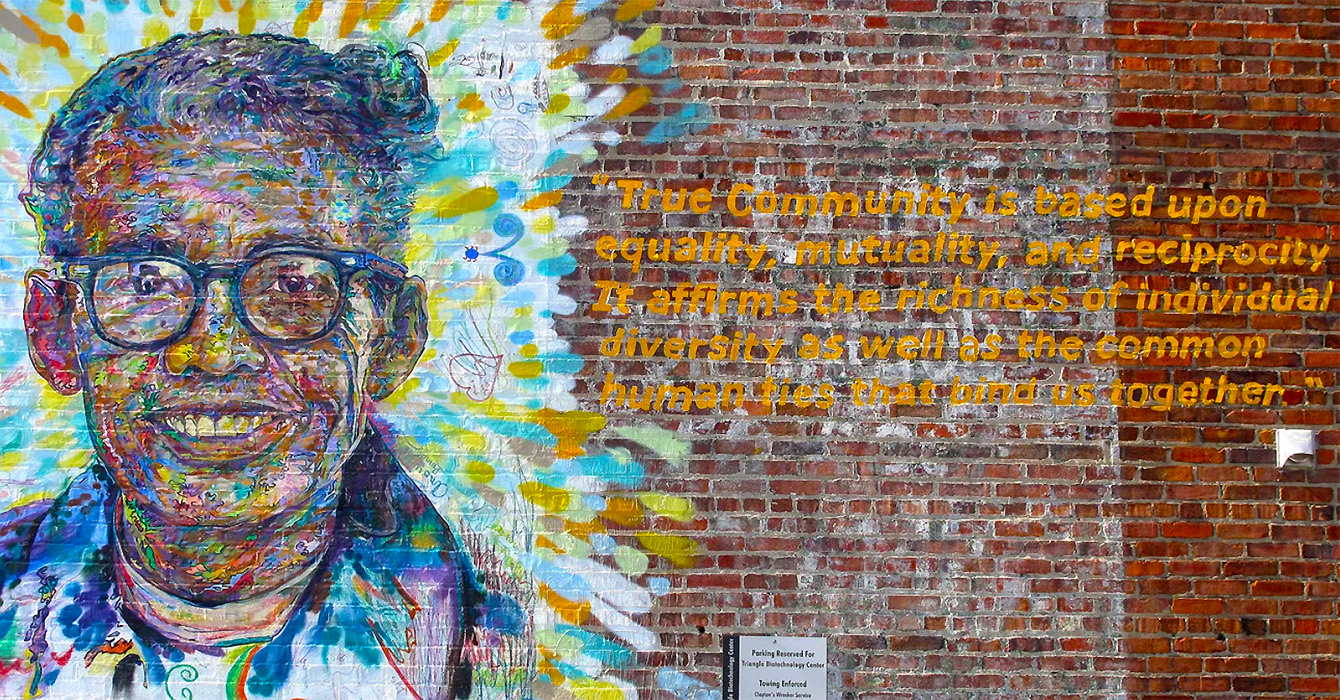
The Rev. Isaiah Robertson’s Black Church Chats podcast highlights and explores Black church history and related topics. And in Framingham, outside Boston, Greater Framingham Community Church has for several years commissioned speed-painter Rob Surette to create portraits for its collection of inspiring Black heroes. These are just a few examples.
The Black church has long served as an incubator for leadership. From its earliest days, it has been a training ground where future leaders first found their voice and confidence.
Testimonies, speech recitations, youth choirs and junior deacon roles have all helped shape generations of Black leaders. Within the church, people learned protocol, structure and the rhythms of organized leadership. It was a space where mentoring by elders and support from peers happened naturally and consistently.
The congregation often played an active role in nurturing gifts — encouraging a child preacher, affirming a young speaker or cultivating a budding musician’s gifts. These moments were not incidental; they were formative.
The Black church also helped launch businesses, fostered mutual aid and provided emotional support for those in need. Education has always been central, whether through public Scripture reading, prayer gatherings or church-sponsored plays and programs that developed both faith and intellect.
Church buildings have functioned as community centers. The church is a hub for spiritual growth, social development and communal care. In times like these, perhaps the call is not to invent something new but to return to the roots that have long sustained and strengthened our communities.
We may not control national narratives, but we do help shape local ones. We may not prevent every act of erasure, but we can refuse to participate in forgetting. Faithful leadership means telling the truth, even when the truth is uncomfortable.
History matters because people matter. And people matter because they are made in the image of God.
The situation is urgent, and the call is unmistakable. The key question is whether we, as Christian leaders, will respond to it. We possess the ability to raise our voices and share our story. Now is the moment to ensure that our narrative is valued and not overlooked or erased.