Across the country, faith-based organizations are moving beyond church walls to cultivate justice and community through intentional, relational work. Among them, the Coalition for Spiritual & Public Leadership’s grassroots advocacy in the Chicago region and the Farminary’s cross-fertilization of theology and ecology at Princeton Theological Seminary are prioritizing the slow, meticulous nurturing of both people and land.
And in San Antonio, The Impact Guild’s work illustrates how repurposing assets can foster deep community connections and resilience by helping congregations transform underused property into community treasures.
Faith & Leadership has shared about their efforts in the past and is revisiting each to update their stories, which highlight faith leaders and institutions as catalysts for justice, renewal and collaboration.
How is your institution a catalyst in the wider community?
‘At the forefront of the work’
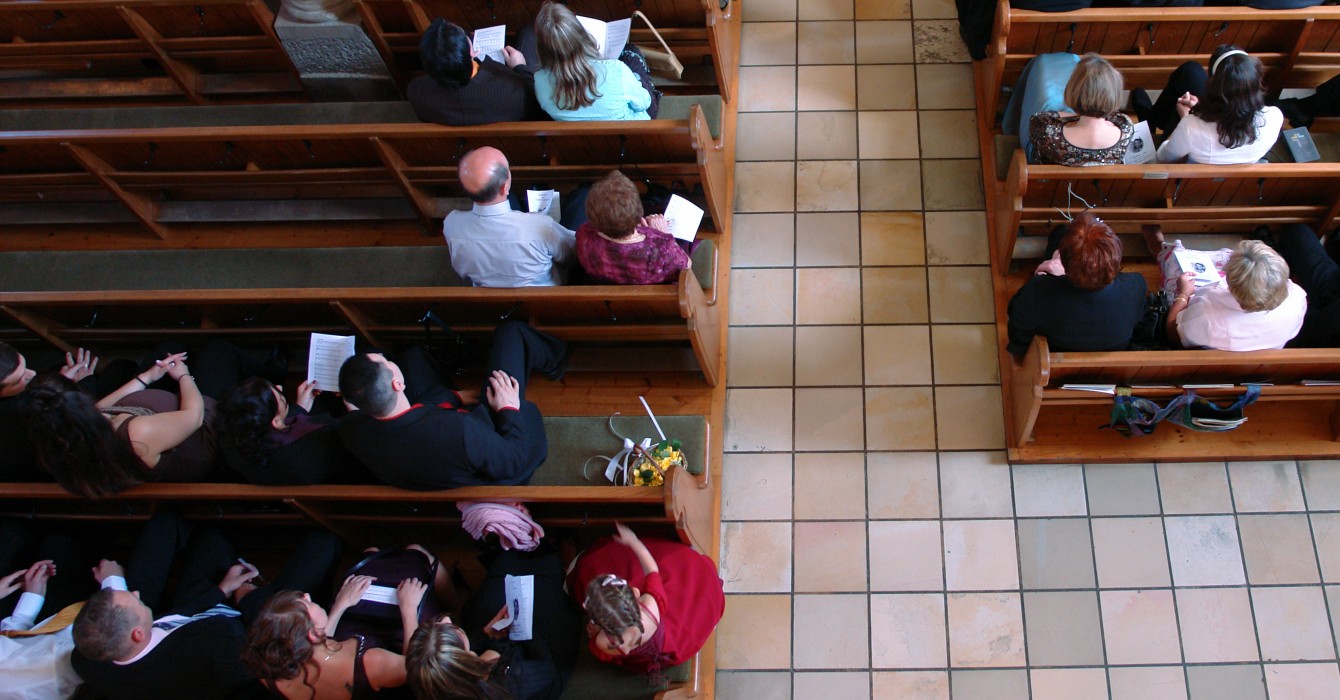
When they first began meeting in Chicago-area churches and community centers in 2017, the founders of the Coalition for Spiritual & Public Leadership had no idea a literal blitz was coming.
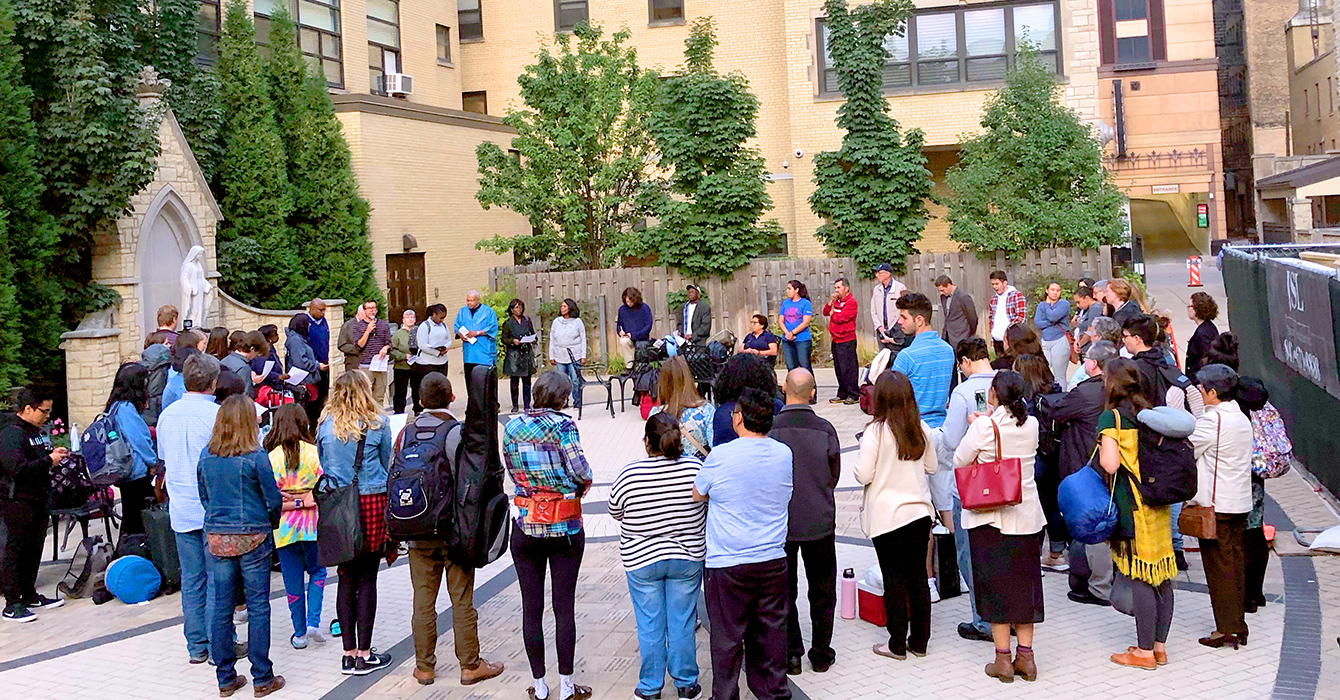
The nonprofit has held listening sessions in church basements and in working-class neighborhoods for nearly a decade, discerning each community’s greatest concerns before sharing how lessons from Catholic social tradition could help them address inequalities and pursue change.
When Faith & Leadership wrote about CSPL in February 2022, those trainings had resulted in grassroots efforts to prevent violence, promote access to vaccines and to address the safety and mental health of schoolchildren.
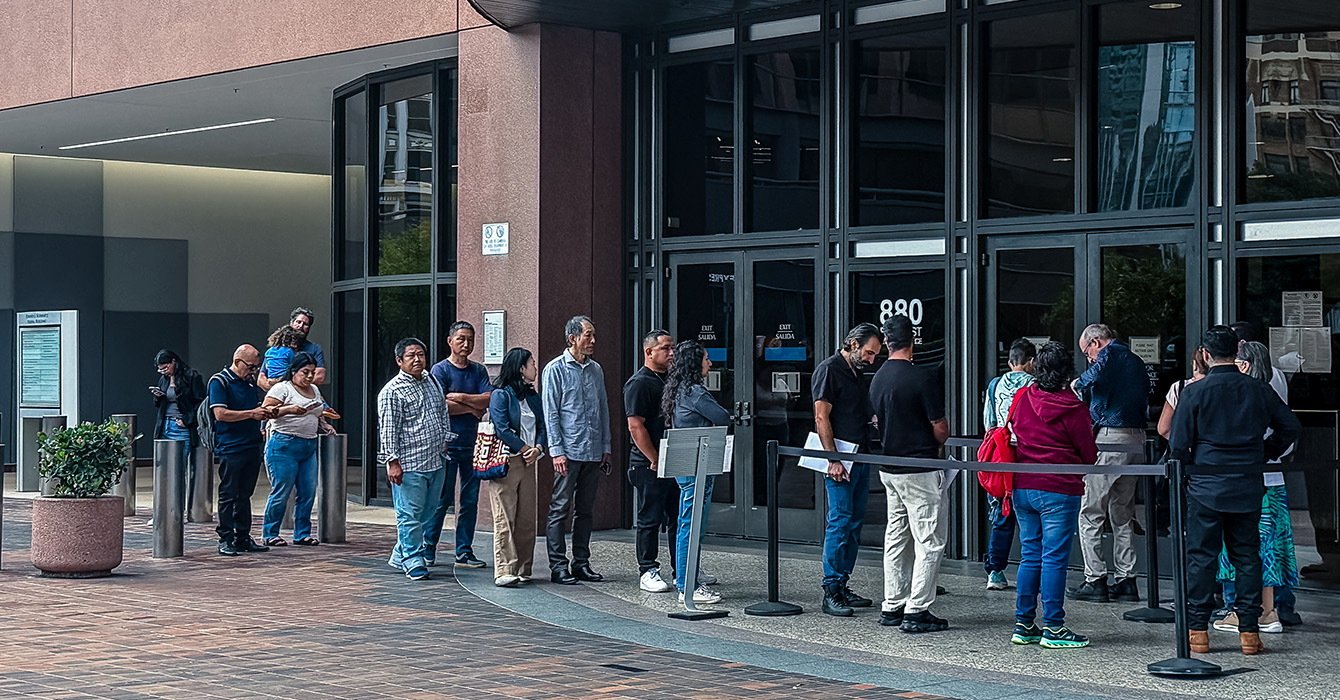
Then came Operation Midway Blitz, the Trump administration’s crackdown on undocumented immigrants in Illinois, primarily Chicago. Begun in September 2025, the operation has been marked by midnight raids on residential communities; clashes between protestors and ICE agents; and viral images of civilians being tear-gassed, zip-tied and whisked away to detention centers. Those detained at the Broadview ICE facility west of Chicago reported squalid conditions that one federal judge likened to Auschwitz.

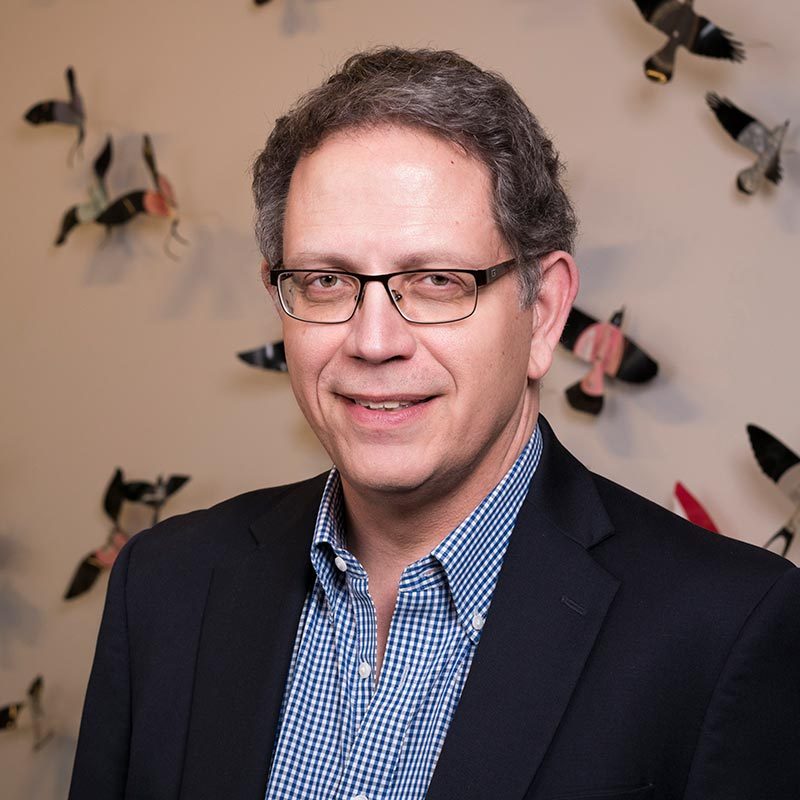
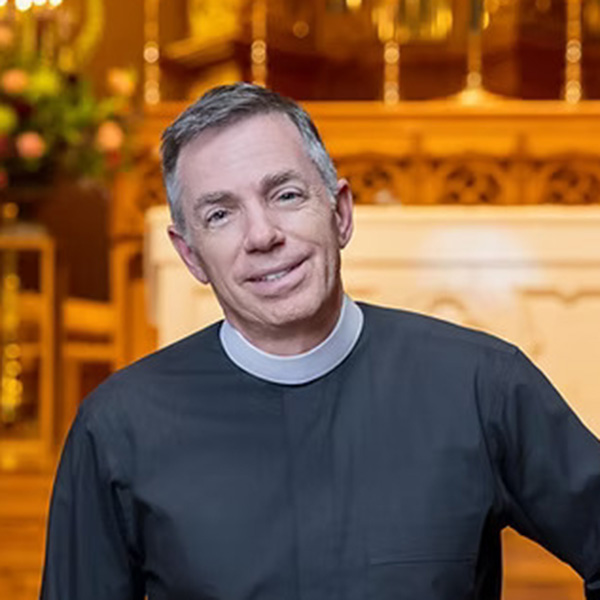
“I don’t think we ever imagined the scale of this work unfolding this way, with hundreds of agents roaming through our communities and terrorizing families and children,” said CSPL executive director and co-founder Michael Okińczyc-Cruz. “We had to do our very best to meet this moment.”
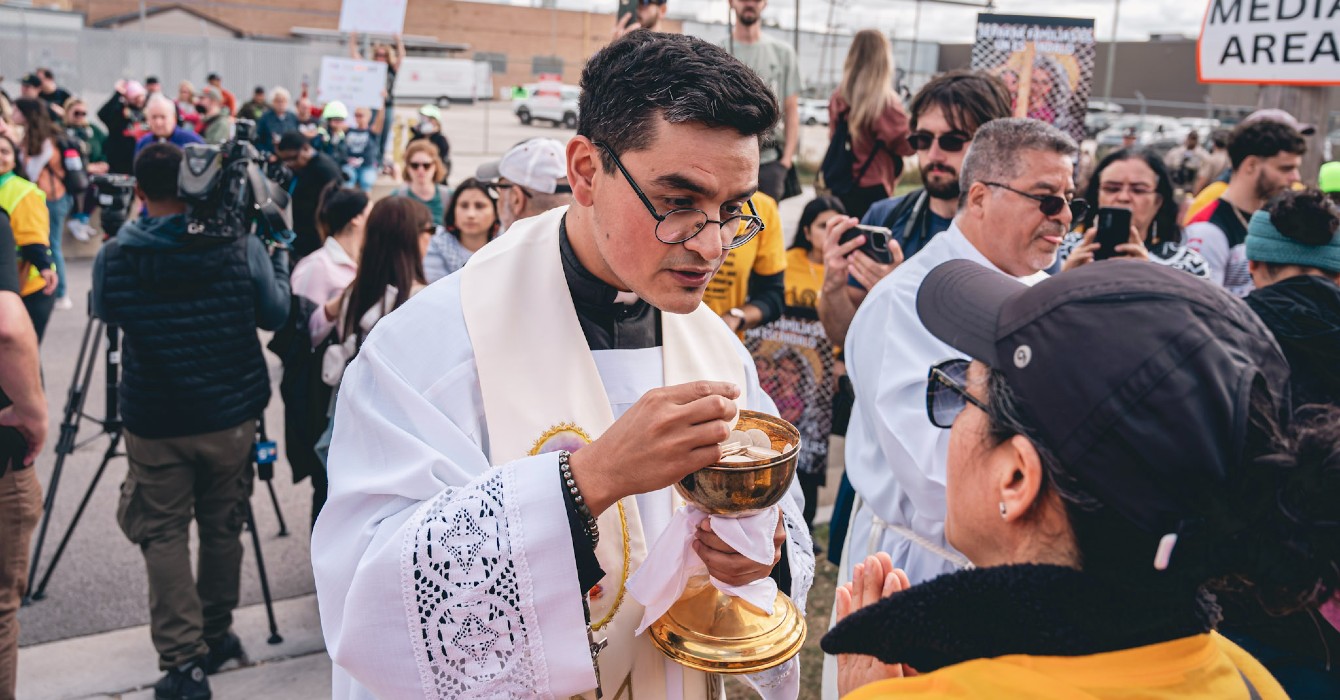
CSPL organized a eucharistic procession in October 2025 to bring Communion and pastoral support to Broadview detainees. Faith leaders were denied access, so they organized a people’s Mass outside of Broadview for Nov. 1, 2025, All Saints Day, which attracted 2,000 people. Again, a delegation of ministers was denied access.
The efforts attracted a great deal of media attention, prompting Pope Leo XIV to urge U.S. authorities to grant ministers permission to provide detainees with pastoral care. Ultimately, it would take a series of federal lawsuits by CSPL and several clergy members to secure limited pastoral access. On Ash Wednesday, a small delegation of faith leaders was allowed to offer Communion and ashes to Broadview detainees. And again during Holy Week, a federal judge allowed a small group of priests and sisters to offer Communion, take confession and wash the feet of shackled detainees.

“It’s a real inconvenience to the administration’s propaganda campaign when you have ministers inside humanizing these people,” Okińczyc-Cruz said. “The washing of feet — there’s nothing more human than that.”
Okińczyc-Cruz estimates that since September 2025 more than 10,000 people of faith have participated in nonviolent public acts with CSPL, a testament to its coalition-building efforts. While CSPL’s recent work addressing the needs of detainees has raised the organization’s profile, Okińczyc-Cruz says the nonprofit’s growth has been “steady and focused,” the result of “that unseen work of deep and intentional relationship-building.”
“That kind of intentional, slow, meticulous work of nurturing community and listening, listening, and listening even more — all of that is what it takes,” he said. “The preparation of our member congregations and other leaders, perhaps not anticipating this moment precisely but doing so much work to build and nurture deep relationships among churches, they’ve learned to act together.”
More than 60 institutions are dues-paying members of CSPL, twice as many as four years ago. The ongoing push for broader ministerial access to detainees is not CSPL’s only social justice campaign at the moment.
Roughly 400,000 homes and apartments in Chicago — including the one Okińczyc-Cruz shares with his wife — are served by lead water lines, and the city’s pipe-replacement program isn’t set to address all of them until 2070. CSPL has been educating residents on the dangers of ingesting lead-tainted water, explaining how to order water-testing kits and empowering them to hold public officials accountable.
What relationships are you building? What are some that you need to build?

The most energizing part of the work, Okińczyc-Cruz said, is watching individuals from marginalized communities transform into leaders and catalysts for change. They draw courage from their own faith traditions and from the stories of mystics and martyrs who came before them, he said. And they use that to marshal their neighbors and parishes into acts of “faithful defiance.”
“They’re not just bystanders waiting for others to save them. They’re at the forefront of the work,” Okińczyc-Cruz said. “It’s been so animating and inspiring to look at this and see the Spirit is alive in people. We plan and prepare and prepare some more, but we have to step back and make room for the Spirit to flourish.”
Cultivating ‘a different kind of leader’
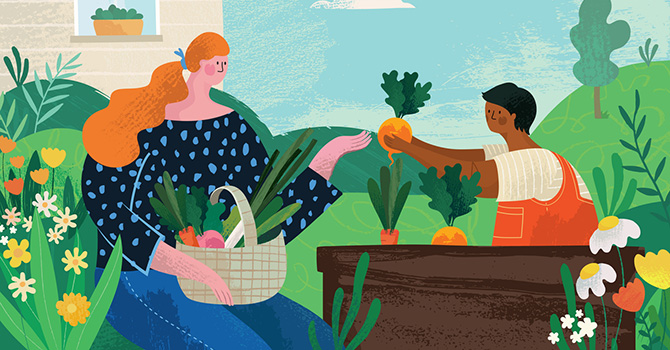
Nate Stucky is often asked what’s growing at the Farminary, a 21-acre farm where Princeton Theological Seminary students literally get their hands dirty while exploring the links between theology and agriculture. His customary answer was pretty straightforward: asparagus, greens, tomatoes.
“In more recent years,” he said, “I’ve taken to giving an answer that sits closer to the mission of the space, which is [that] the thing we’re most trying to grow at the Farminary is a different kind of leader. And I would put myself in that pool of leaders under formation, as well as our students and the faculty and the broader community.”

In the decades before the seminary acquired the land in 2010, it had been used for sod farming, an intensive form of agriculture that removes a layer of topsoil with each harvest, Stucky said. As a result, the land “bears the wounds” of that extractive process, serving as a valuable teaching tool for seminarians invested in its restoration.
Stucky, the Farminary’s director since its inception in 2015, was raised on a Kansas farm. After college, he returned to farming for several years before attending the seminary.
Christian congregations and their leadership, he said, can suffer from the same “economies of exhaustion and extraction” that the land has endured. The slow, gentle work of healing the land while producing a harvest is analogous to the kind of efforts faith leaders may need to undertake when serving their communities.

“One of the haunting questions that the land is asking us, or that we sense the land asking us,” Stucky said, “is, What will our legacy be? Will we continue that trajectory of exhaustion and extraction? Or will we find ways to swing the pendulum in another direction, where we find ways of healing the land, healing these generational wounds, moving towards rest, towards regeneration?”
Since Faith & Leadership first highlighted the Farminary in 2016, it has become a cherished gathering spot for seminarians and a popular alternative to the customary classroom; it's a space where the compost pile prompts discussions about death and resurrection, and professors and students delve into the principles of ecology, sustainability, climate change and food justice alongside traditional theology. Each semester, courses meeting at the Farminary have waiting lists, Stucky said.
In 2023, the seminary launched a new degree rooted at the farm, a Master of Arts in Theology and Ecology. That program has attracted a “wildly, beautifully diverse” student body — all ages, ethnicities, and theological and professional backgrounds, Stucky said. One incoming student, who is a chef, plans to offer workshops teaching students how to prepare healthy, fresh food on a budget. One of the first graduates of the program now serves an eco-centric congregation that features regenerative gardens and outdoor worship. Stucky called it “immensely gratifying” to see what time at the Farminary has inspired others to do.
“You know, those are the kinds of things you can’t anticipate,” Stucky said. “You just kind of sit back and cheer wildly and help as much as you can.”
What are inviting alternatives to the expected or customary that your faith community can offer?

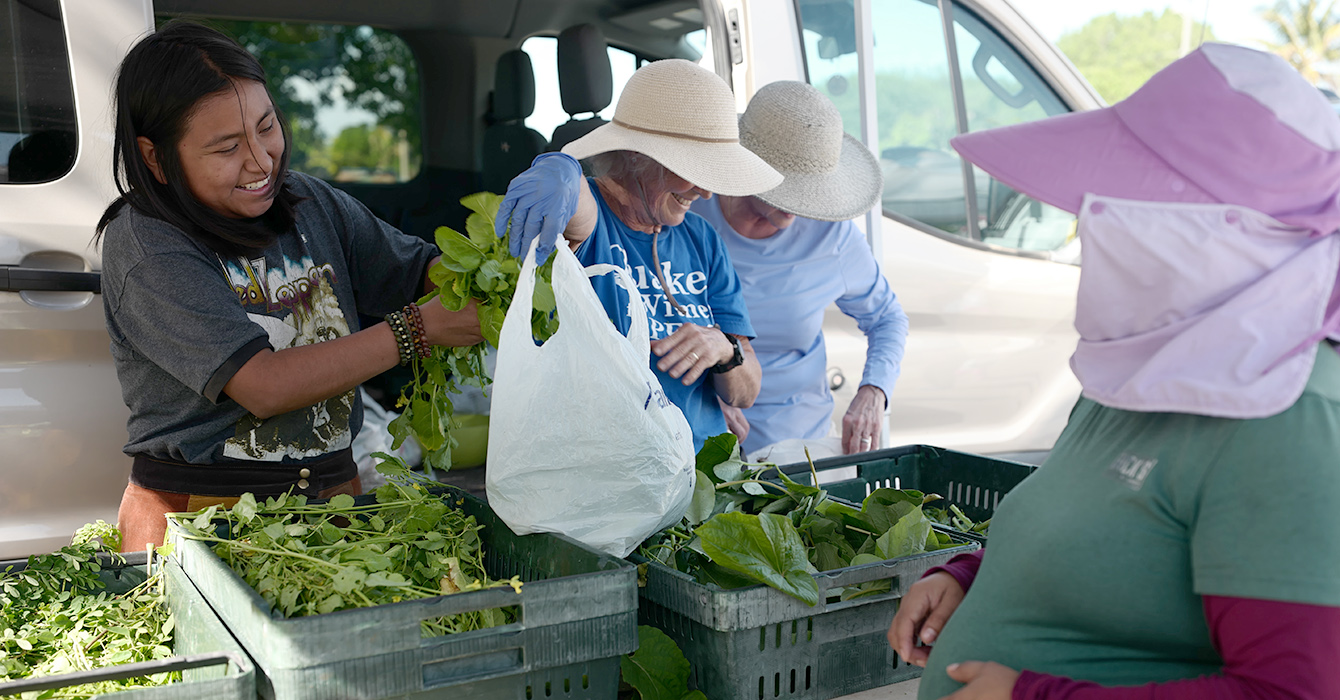
The Farminary is home to laying hens, chickens and lambs, and the meat, fruit and vegetables produced there supports the seminary’s cafeteria as well as a local organization that distributes it to food-insecure families. In the summer, the Farminary offers CSA shares, with discounted prices for students. And in 2024, the Farminary began hosting a dinner series, where guests enjoy a talk by a scholar, artist or activist alongside a meal with ingredients grown on-site.
In the future, Stucky said he’d love to have more classroom space at the Farminary, to meet student demand, as well as a teaching kitchen and some short-term residences for visiting scholars, farmers, artists and theologians.
That said, Stucky is quick to point out that the lessons learned at the Farminary, about recovery and seasonal rest, humility, patience and growth, don’t require a 21-acre farm. They can be gleaned from a forest, park or other green space. There’s value, he said, in learning from what scholar David Abram calls “the more-than-human world.”
“I think it requires a willingness to go outside,” Stucky said. “Are we willing to be schooled by waters and trees and insects and soils? What do we already have that is inviting us outside, that is inviting attentiveness to the broader creation, to our precarity, to our vulnerability, to the kind of sensibilities that resist the world’s extractive and exhaustive ways?”
‘This is heaven’
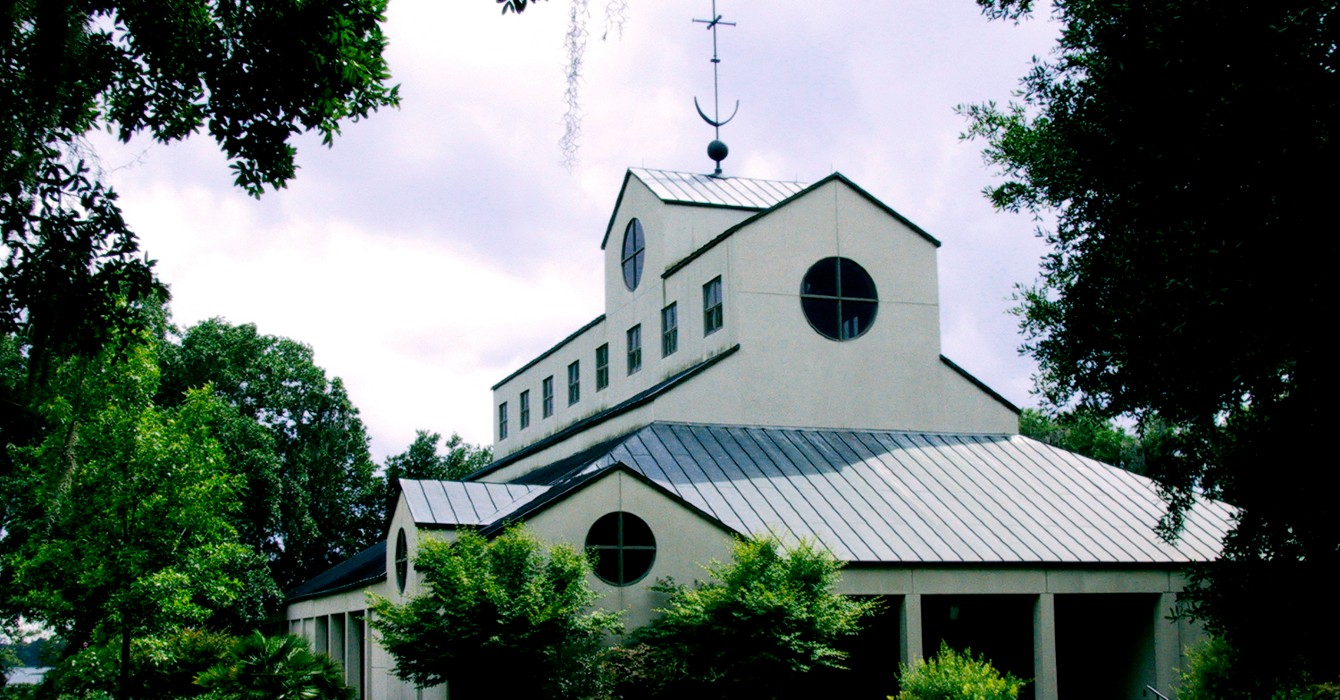
It’s hard to imagine San Antonio’s Charis Park as the asphalt heat island it was a few years ago. Now a beloved neighborhood hub with meditation gardens, a bike path and a bustling farmers market, the park was once the rarely used overflow parking lot for nearby Sunset Ridge Church, a shrinking congregation trying to care for a 4.26-acre campus.
Instead of fixating on survival, the congregation looked at their assets and pondered a different question: How can we help our community flourish? To answer that, they partnered with The Impact Guild, a local nonprofit that helps clients transform underused resources to meet neighborhood needs.
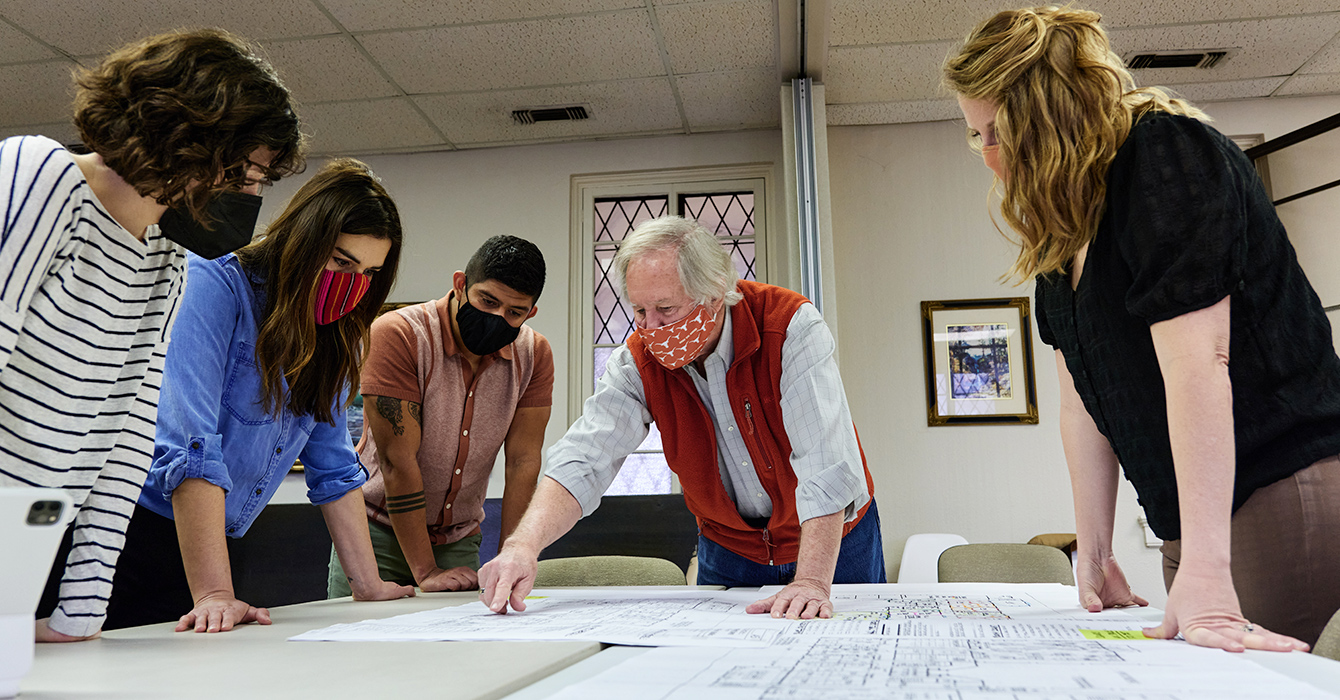
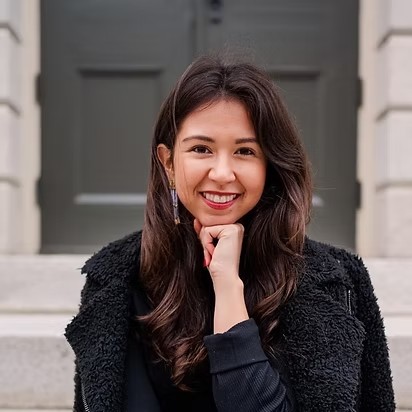
Founder Sarah Woolsey started The Impact Guild in 2017 as a co-working space designed to help others get their social enterprises off the ground. But since Faith & Leadership profiled the effort in 2022, it has cultivated a citywide “relational network” of about 50 congregations, along with development partners, neighborhood associations and civic leaders dedicated to putting underused property to work for their communities.


“My calling feels like it’s, What does it look like to be weaving relationships and partnerships and threads across the city?” said Woolsey, who also runs a climate readiness program through The Impact Guild. “It’s everybody coming to the table to say, How can we build a more collaborative ecosystem at a local level?”
Faith communities own about 3,000 acres across San Antonio. Participants in The Impact Guild’s Good Acres program hold monthly roundtables to discuss whether some of that property can be used to address neighborhood challenges like homelessness, food scarcity, youth engagement and resources for immigrants.
At Sunset Ridge, visioning sessions with congregation members and neighborhood residents identified loneliness as one of the biggest challenges. A park would provide much-needed green space and, more importantly, a gathering place. The group was also interested in establishing a coffee shop and a preschool on the church’s campus.
What happened next was largely relational and maybe a tad divine, according to Woolsey and Taylor Bates, the deputy director of the Sunset Ridge Collective, the nonprofit umbrella that now oversees the park and some of the other social enterprises that project sparked.
Knowing nothing about Sunset Ridge’s plans, a woman who grew up in the neighborhood spied the church’s empty parking lot and asked if she could set up a coffee trailer and tables there. Ultimately, the business was so successful that the owner secured a brick-and-mortar shop and sold her trailer to Sunset Ridge, which rebranded it One Another Coffee and now uses the profits to maintain the park.

A member of the congregation involved in land preservation then introduced church staff to a friend, an experienced educator who was interested in establishing a nature-based preschool. The church had estimated it might take them about five years to open the school they envisioned, but now they were able to do so in three months, said Bates, who sent her own children there.
A preschool parent emailed Bates with an idea for a farmers market for growers and ranchers committed to regenerative practices, not knowing that Bates had just filed a grant application seeking support for a farmers market, though she had no idea how she was going to start one.
Bates learned during the process that “the church doesn’t need to be the one to do all of it.”
“It just needs to open its doors and invite those folks in to co-create. If we’re trying to control everything, it’s not going to work, and we’re going to be exhausted by the end of it.”
The right people showing up at the right time was “beautifully surprising,” Woolsey said, but also a product of the relational work Sunset Ridge had been doing. Woolsey has since established a five-part framework that evaluates a community’s environmental, economic, social, health and educational needs to help guide churches as they embrace their role as co-creators of a shared world.

While Charis Park turned out beautifully, there were challenges, Woolsey said. Some members of the church struggled to embrace the changes and left the congregation. City requirements delayed the project.
The project cost about $1.25 million, which the church was able to raise. But some congregations don’t have access to that kind of money, so Woolsey is exploring the creation of a “regenerative pre-development fund” that would support churches in the early planning stages.
Woolsey would love to see a dozen Charis Parks open across San Antonio, all with an eye toward building community resilience and connection.
“These little physical pockets that are in our neighborhoods, like, what can they be? What is that possibility? How can we have these physical projects that are really mirroring a flourishing community?” she said. “My hope is there will be so many more of these stories to tell.”
Charis Park opened in October 2024, followed a month later by the farmers market. Bates said she cried the first time she saw children rolling down the park’s grassy berms, which are bolstered by crushed asphalt recycled from the old parking lot.
“We had hundreds of neighbors and congregants show up, and it was so cool because the park was full of all these people who we hadn’t known just a couple years before. What were just neighbors, we’re now like close friends,” Bates said. “It was just perfect, and kids are rolling down the hills, and the farmers are there, and everyone is so happy, and I’m just like, this is heaven!”
What are the untapped spaces, ideas, opportunities that could bring new life to your congregation or community through co-creative efforts?
Questions to consider
- How is your institution a catalyst in the wider community?
- What relationships are you building? What are some that you need to build?
- What are inviting alternatives to the expected or customary that your faith community can offer?
- What are the untapped spaces, ideas, opportunities that could bring new life to your congregation or community through co-creative efforts?