

On an elevated platform at one end of a boxy auditorium is a simple stage set: A few old wooden office chairs and a table on the left, a couch on the right and a dorm-like bed a few feet away.
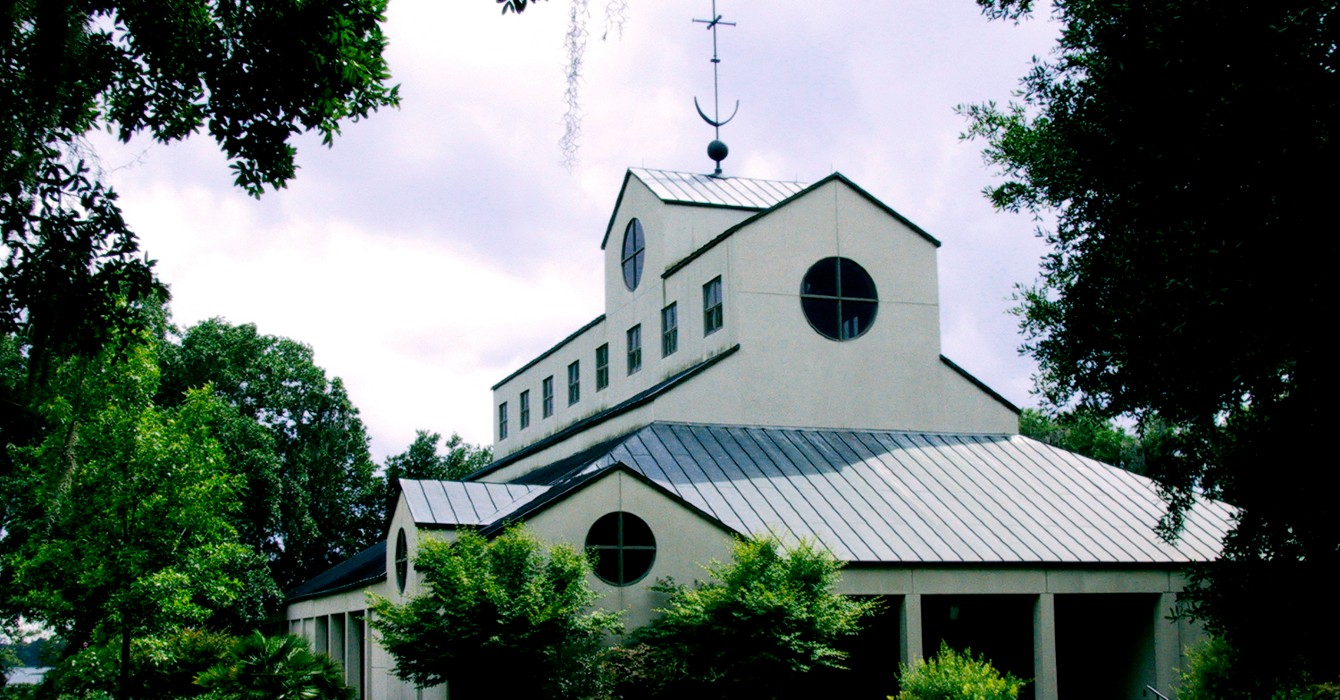
Theatergoers taking their seats in moveable chairs might never guess that this space doubles as a church sanctuary.
The Justice Theater Project, a secular nonprofit, has been staging performances here in Umstead Park United Church of Christ and in other churches across Raleigh, North Carolina, for 22 years. In these congregations, the physical space alternates between two ancient storytelling vehicles — the church liturgy and the theatrical play.
On Sunday mornings during the most recent three-week performance run, some of the furniture is moved away and a lectern is hauled in front of the set.
The dually functioning space is perfectly compatible with the mission of the faith community and the Justice Theater Project, which defines its goal as producing compelling plays that provoke deeper community conversation around important social justice issues.
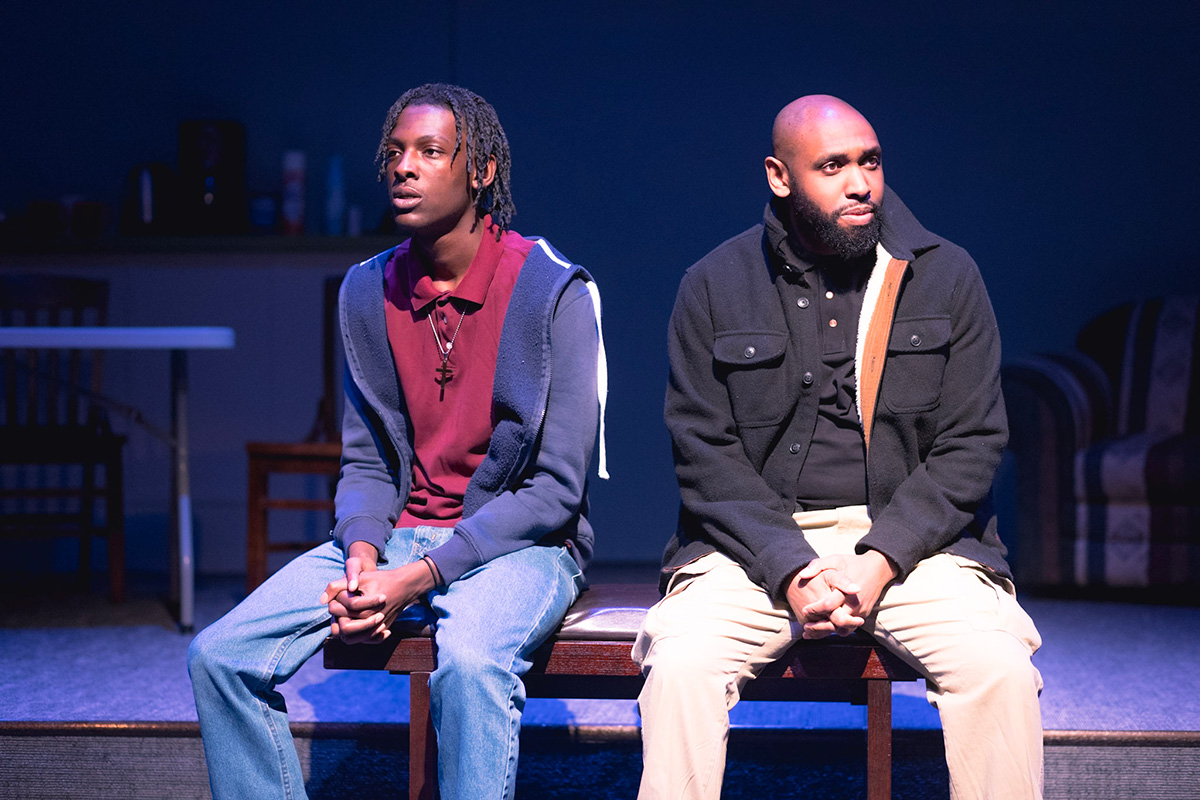
“Pipeline,” which just completed its run earlier this month, is about the school-to-prison pipeline, channeling marginalized Black students from the public education system into prison. The 2017 play by Dominique Morisseau tackles questions of race, parental duty and the state of American education.
What are creative and unexpected ways to envision using your congregation’s space?
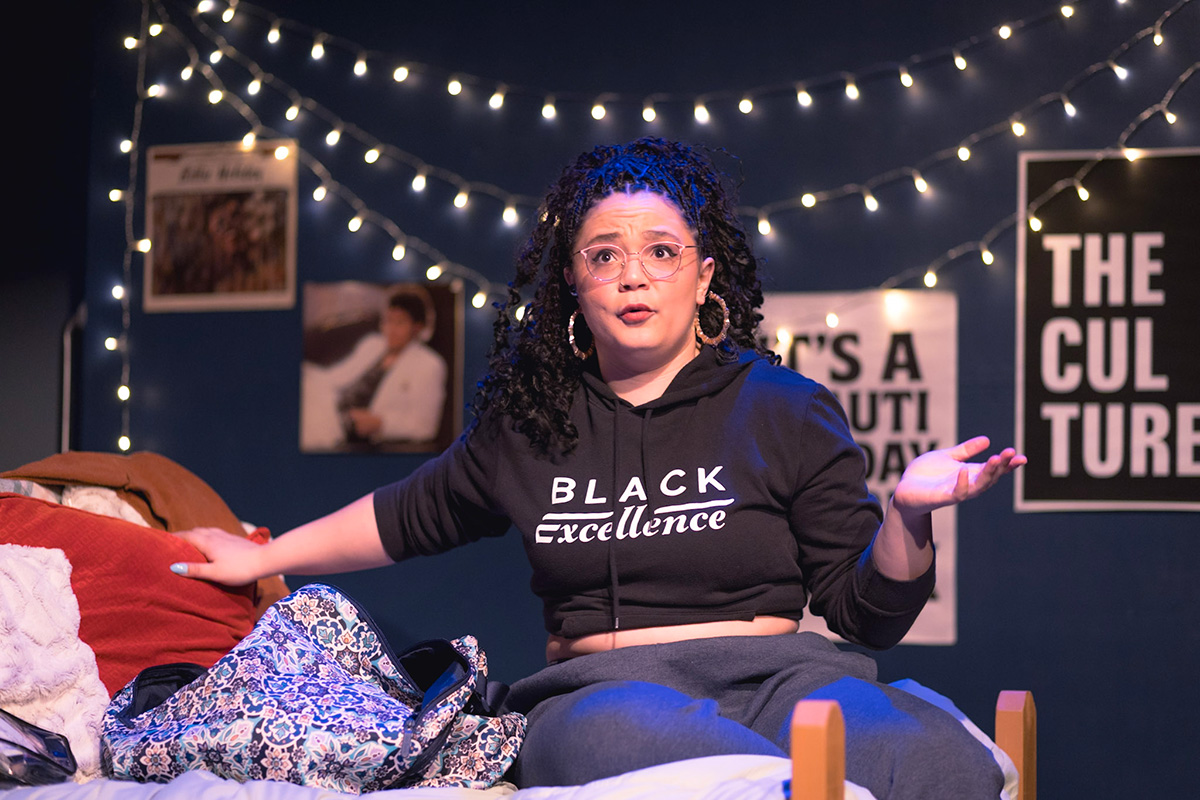
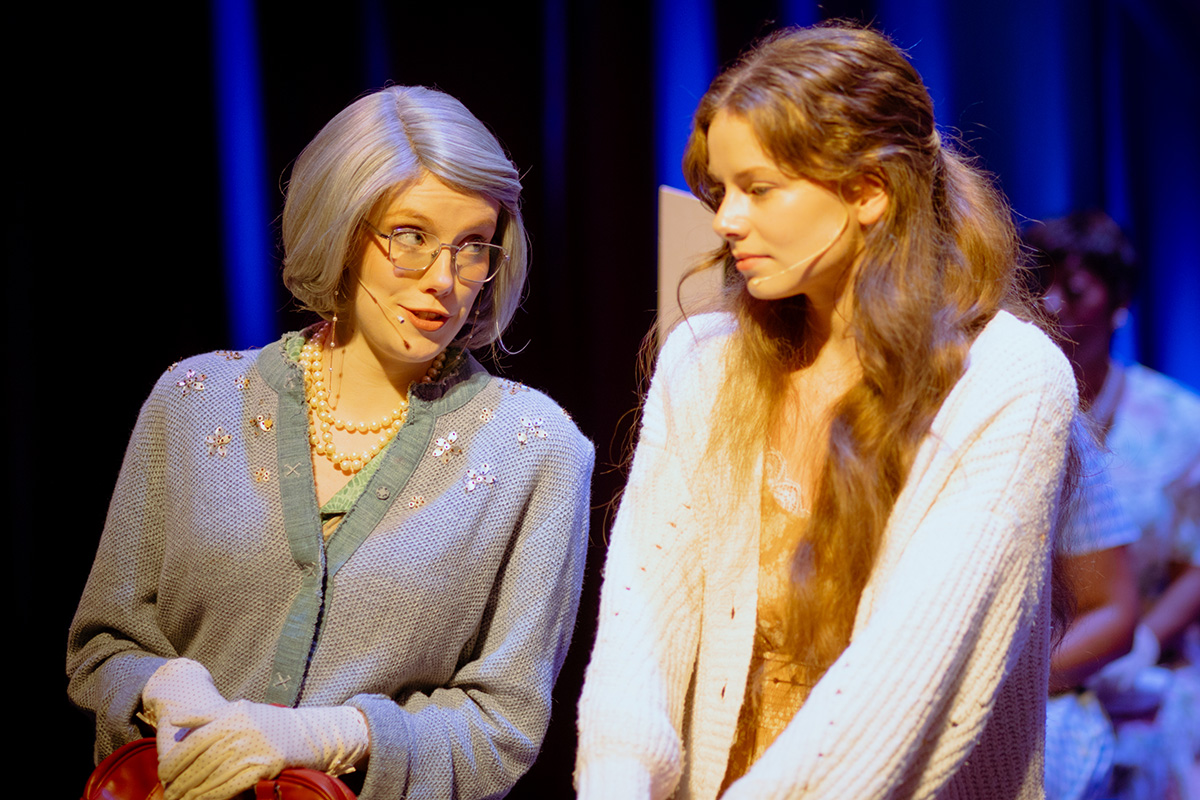
The Justice Theater Project’s previous production, “The Thanksgiving Play” by Larissa FastHorse, was a satire touching on themes of white supremacy, cultural appropriation and wokeness. Next up is “Lungs” by Duncan Macmillan, which will examine the effects of climate change on a young couple considering parenthood.
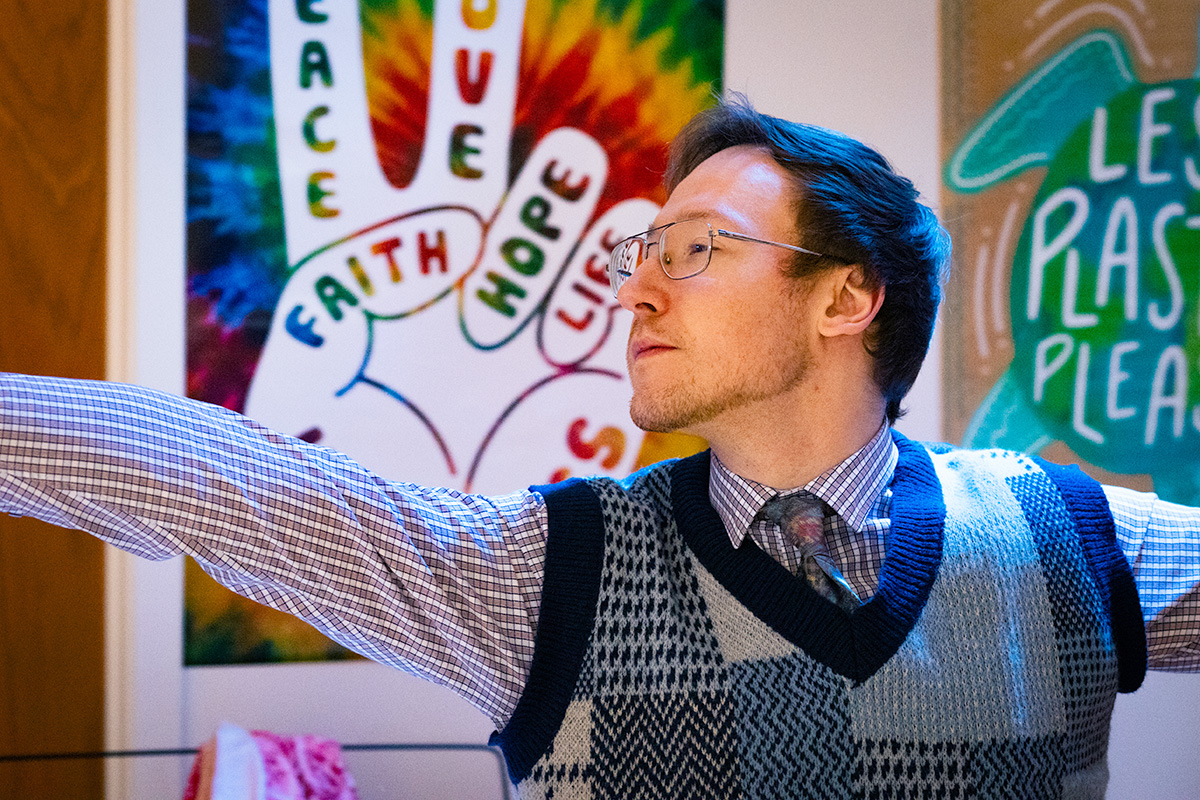
“If somebody just hears about what we do, they might envision a doom-and-gloom, beat-you-over-the-head kind of theater,” said Matara Hitchcock, 29, executive producer of the Justice Theater Project.
“But we try not to do that. We don’t want somebody to see one of our shows and leave with the feeling that nothing can be done. Even if the show ends in a tragedy, we want the presentation of the story to be such that people are encouraged to go out and try — to be driven from apathy toward involvement and engagement.”
How can you frame your work to inspire engagement rather than apathy?
Entertainment, challenge, change
Funded by a variety of city, county and state art commissions, the theater company is committed to producing plays that entertain, challenge and prompt change. It has grown over the years from an annual budget of $50,000 to $400,000.
But its ultimate purpose is one shared with the churches where it stages these plays: to build community.
“We’re trying to create in-person experiences where people sit next to their neighbors and feel something together — a collective breath, a shared story and a turning up of empathy,” said Amelia Lumpkin, the director of “Pipeline,” and a Raleigh-based tech designer by day.
Theologian Karl Barth is quoted as saying, “We must hold the Bible in one hand and the newspaper in the other.” And many liberal churches believe Christians should engage with the real world and learn and advocate for justice. Providing space for the Justice Theater Project is one way some churches do that.
The relationship between the churches and the theater company is a loose one. Church members do not sit on the theater company’s board of directors, and this season no church members have been cast in any of the productions.
But audiences for the different plays bring a wide and diverse mix of Raleigh and Durham residents to the churches.
On a recent Friday night, “Pipeline” drew a range of viewers of all ages, including David Thomas, a young instructional assistant at a Raleigh public middle school who has been a fan of the company and said its portrayal of Black youth struck a chord.
“Being someone who kind of lives out what the son (in the play) does — being misunderstood and not being able to really show my rage — it made me think about my childhood and how I felt toward my parents,” Thomas said.
Could your faith community support the arts in ways that align with your beliefs and ministry?
Justice from the start
This season’s five plays run the gamut of themes: race, immigration and cultural identity, climate change. But it was another justice issue — the death penalty — that launched the group.
In 2004, parishioners at Raleigh’s Catholic Community of St. Francis of Assisi had been campaigning to abolish the death penalty in North Carolina. The church, at that point led by a group of Franciscan brothers, organized letter-writing campaigns in support of condemned death-row inmates. They joined protest vigils outside the prison gates when an execution was planned.
A group of St. Francis parishioners decided to perform a play adaptation of Ernest J. Gaines’ book, “A Lesson Before Dying,” about a young Black Louisiana man wrongly convicted of murder and sentenced to death. They planned one free performance in the church’s sanctuary. To everyone’s surprise, 700 people showed up.
Other congregations soon called St. Francis asking if the play could be performed in their churches, too. Before long, the Justice Theater Project was born.
The first few years were entirely devoted to plays about the death penalty. The initial troupe worked with Sister Helen Prejean on a theatrical adaptation of “Dead Man Walking,” performed at a Raleigh Catholic high school.
But as Melissa Zeph, the theater’s first marketing director and later managing director remembers, there wasn’t an abundance of plays about the death penalty. By 2006, litigation over execution methods led North Carolina lawmakers to declare a moratorium on the death penalty. It has been in place since.
When it came to the death penalty, Zeph said, there was “audience fatigue.”
The troupe pivoted to other important social themes. They performed “The Grapes of Wrath,” “Tuesdays with Maury,” “One Flew Over the Cuckoo’s Nest,” “Ragtime” and “The Color Purple.” For 12 years, the theater project produced "Black Nativity,” Langston Hughes’ classic retelling of the Christmas story.
Most plays have added programming to provide viewers more in-depth explorations of the theme. One performance during “Pipeline” featured a pre-show talk with a psychologist. Another offered a pre-show discussion with a state education advocate. A matinee performance offered parents free childcare for children ages 5 to 11.
The theater also operates three children’s summer camps for rising third through ninth graders, one each based at St. Francis of Assisi, Church of the Nativity and The Emily K Center, an educational nonprofit in neighboring Durham. At two of the sites this year, campers will mount productions of “Shrek The Musical Jr.” At the other, they will assemble their own original stage show with guidance from drama, music and dance teachers, actors, directors and choreographers.
The camps have been a successful revenue source, allowing the theater to give out scholarships for families unable to pay.
“Each camp puts on a fully realized musical theater production — lights, sound, choreography, music, singing, costumes, props, set, lights, everything,” said Zeph, now an advisory board member. “It’s super fun.”
What work internal to your ministry might interest the broader community? How could you share it?

Theater and theology
For the past 12 years, the theater project has rented office space at Umstead Park UCC and staged most of its productions there.
As a liberal, social-justice-oriented church that meets in a refurbished warehouse space, the 27-year-old congregation has been a good fit for the theater company. The church does not have fixed pews, an organ or stained-glass windows. The space is carpeted, with moveable chairs, exposed ceiling pipes and industrial, bucket-style lighting.
“We have to deal with the fact that there’s a set in front of our worship space, and most often, that works out,” said Gary Sanders, the church’s facilities coordinator. “We share a similar mission. They’re doing productions that align with the church’s theology.”
Last year, while still renting office space at Umstead Park, the theater company began staging some of its performances in the parish hall at Church of the Nativity, also in Raleigh. The rector, the Rev. Grey Maggiano, said it was a natural fit.
“For 1,500 years, the church was the predominant funder and supporter of the arts in the world,” Maggiano said. “At some point, we collectively backed away from that.”
Partnering with the theater was a way to begin to return to that role, he said.
“Supporting the Justice Theater Project and their work allows us to be held a little more accountable to the kind of justice we think that God would like to see in the world.”
The theater has a selection committee of local artists that meets to pick five plays per season. Committee members read 60 plays between September and December. They are on the lookout for those that are most relevant to North Carolina residents.
“We want to see multiple sides of an issue that would provide an opportunity to our audience members to engage with those issues on a deeper level,” Hitchcock said.
Multiple themes
In years past, each season focused on a single social justice issue, such as healthcare or human rights. Now the committee chooses a variety of themes for each season.
What are some creative ways to reimagine valuable work that has faded in your faith community?
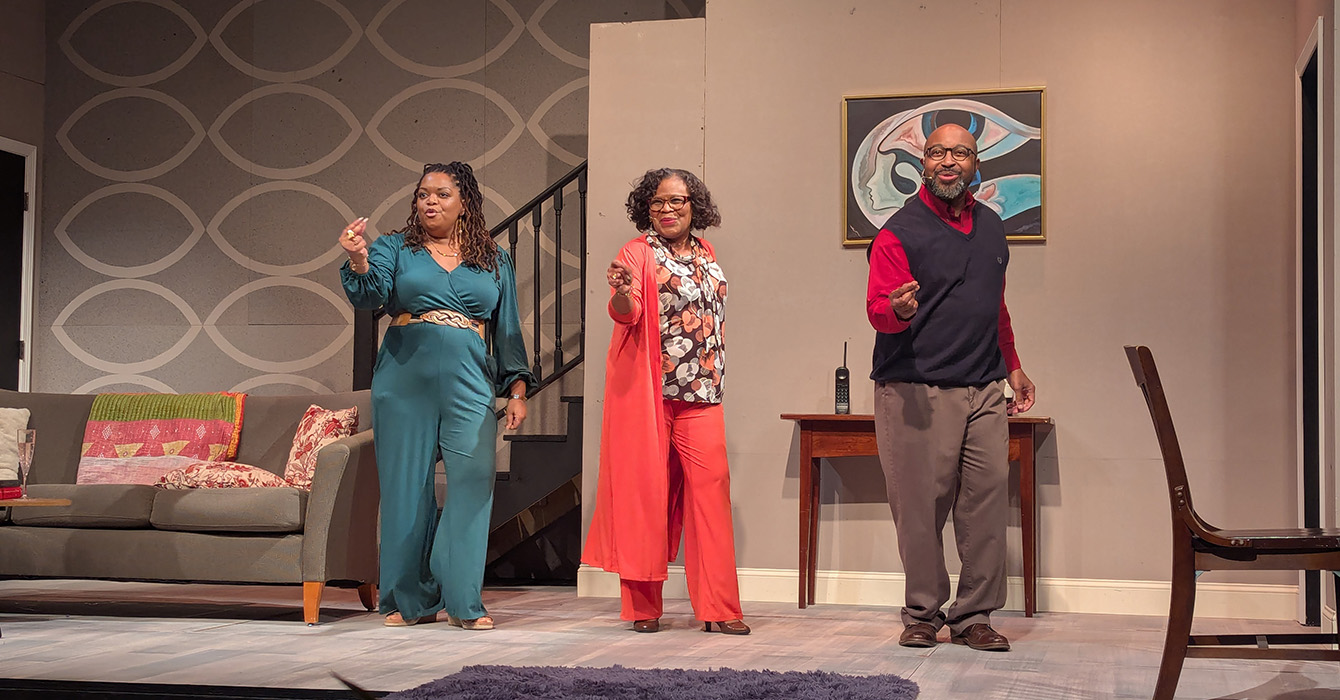
Lumpkin, who had worked as a summer camp manager, an actor and a director for a previous play, was chosen to direct “Pipeline.” She held auditions in November. Six North Carolina actors were chosen; five of them debuted with the company for the first time.
Lumpkin said the company reached out to about 50 potential actors and also opened the auditions to the public.
“I wanted to make the casting options as inclusive as possible while honoring the racial designation by the playwright,” Lumpkin said. All but two of the characters in the play are Black.
Actors are paid a stipend of $450 for 10 performances, and the company is hoping to increase that. That attention to equality and equity makes acting in productions of the Justice Theater Project especially attractive.
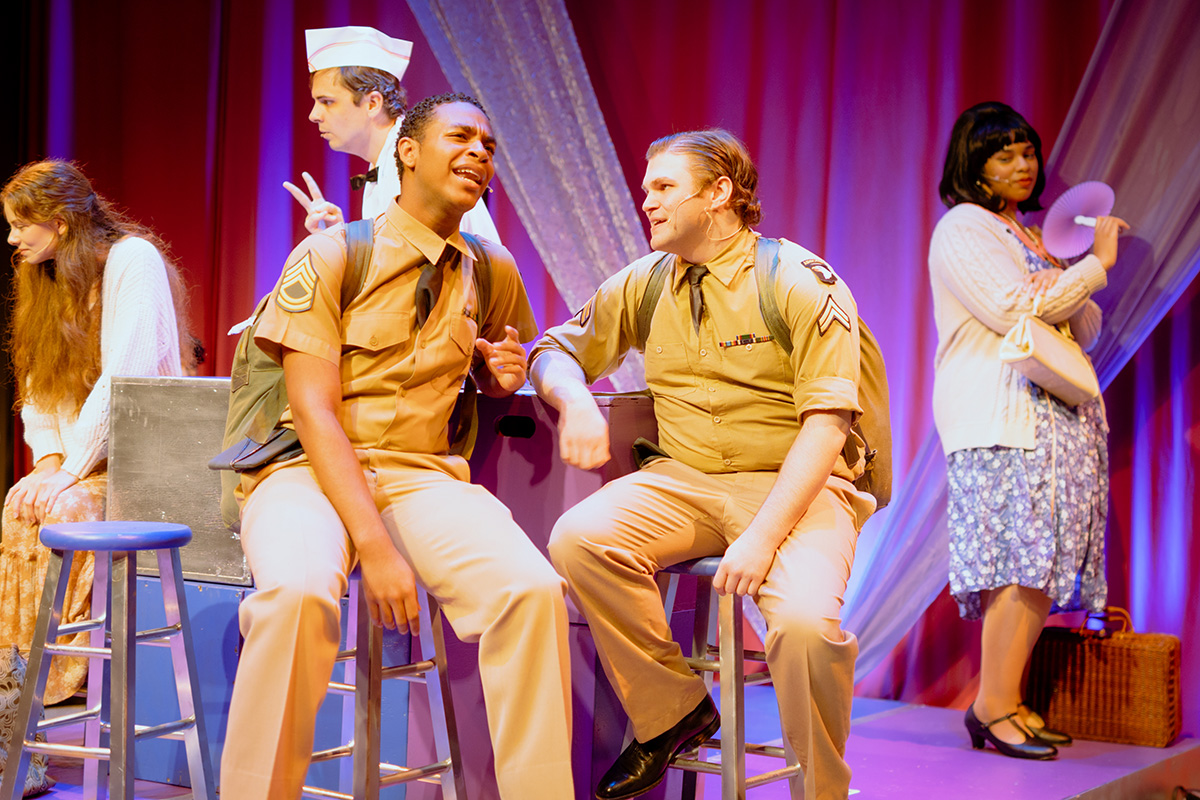
“It’s probably the most diverse space that I’m in in any given week,” said Kathy Langfield, the vice chair of the theater’s board. “There are people from all different backgrounds, and I just appreciate hearing different perspectives and learning from other people.”
At a time when so many theaters make decisions with popularity and profitability in mind, the Justice Theater Project’s higher goals are attractive, said Callie Hammond, an English teacher who was one of the six actors in the production of “Pipeline.”
“They’re not looking for what’s the big thing right now,” Hammond said. “They’re looking at what is going to enhance our community.”
“Pipeline” was “one of the more powerful performances that I’ve seen,” said Debbie Orol of Raleigh, who attended a recent performance with her husband, Brian, and another couple.
The Orols, who are Jewish, have season tickets and appreciate the productions for their “challenging subjects” that the company takes on in “clear, strong, ways.”
“We’ve never been disappointed,” Debbie Orol said.
Questions to consider
- What are creative and unexpected ways to envision using your congregation’s space?
- How can you frame your work to inspire engagement rather than apathy?
- Could your faith community support the arts in ways that align with your beliefs and ministry?
- What work internal to your ministry might interest the broader community? How could you share it?
- What are some creative ways to reimagine valuable work that has faded in your faith community?